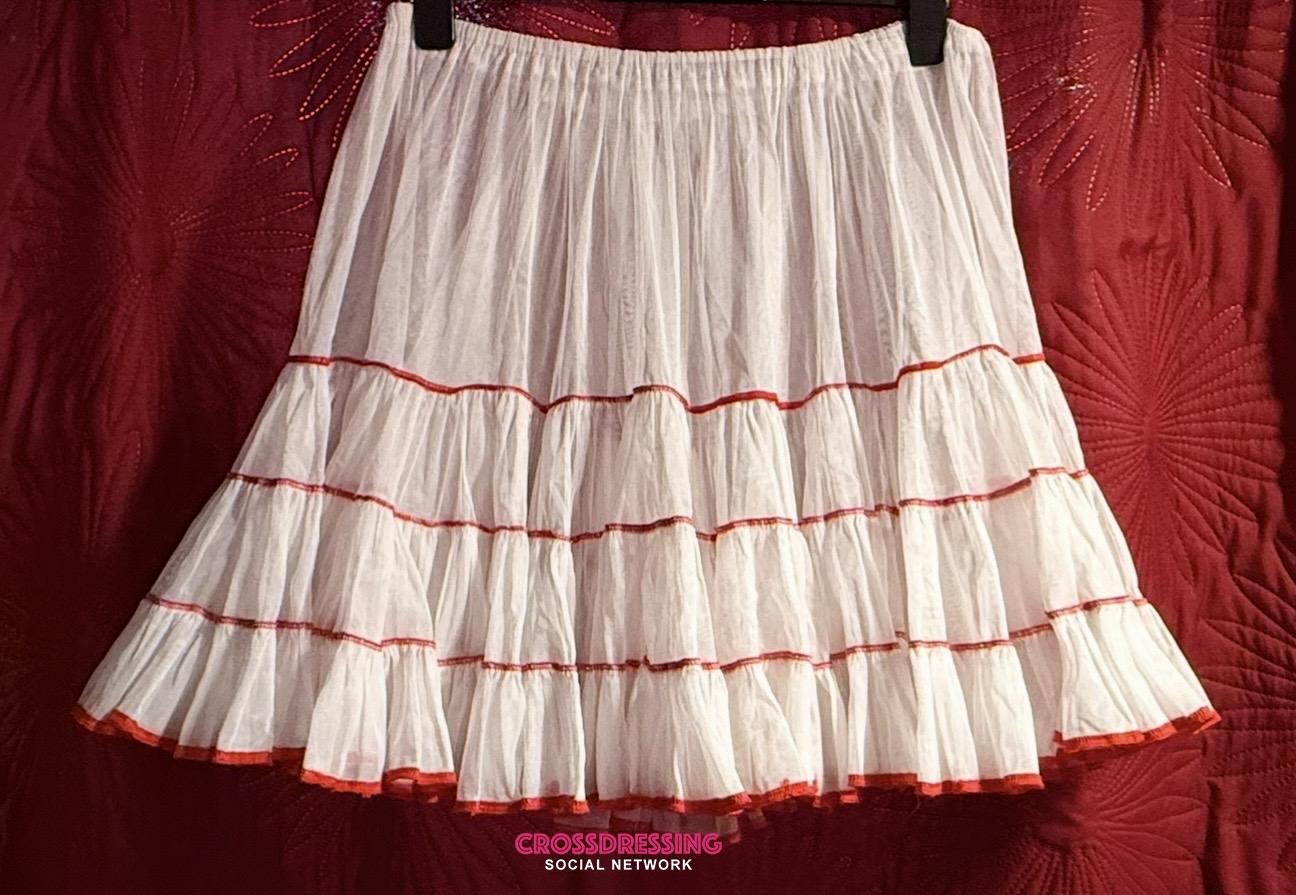
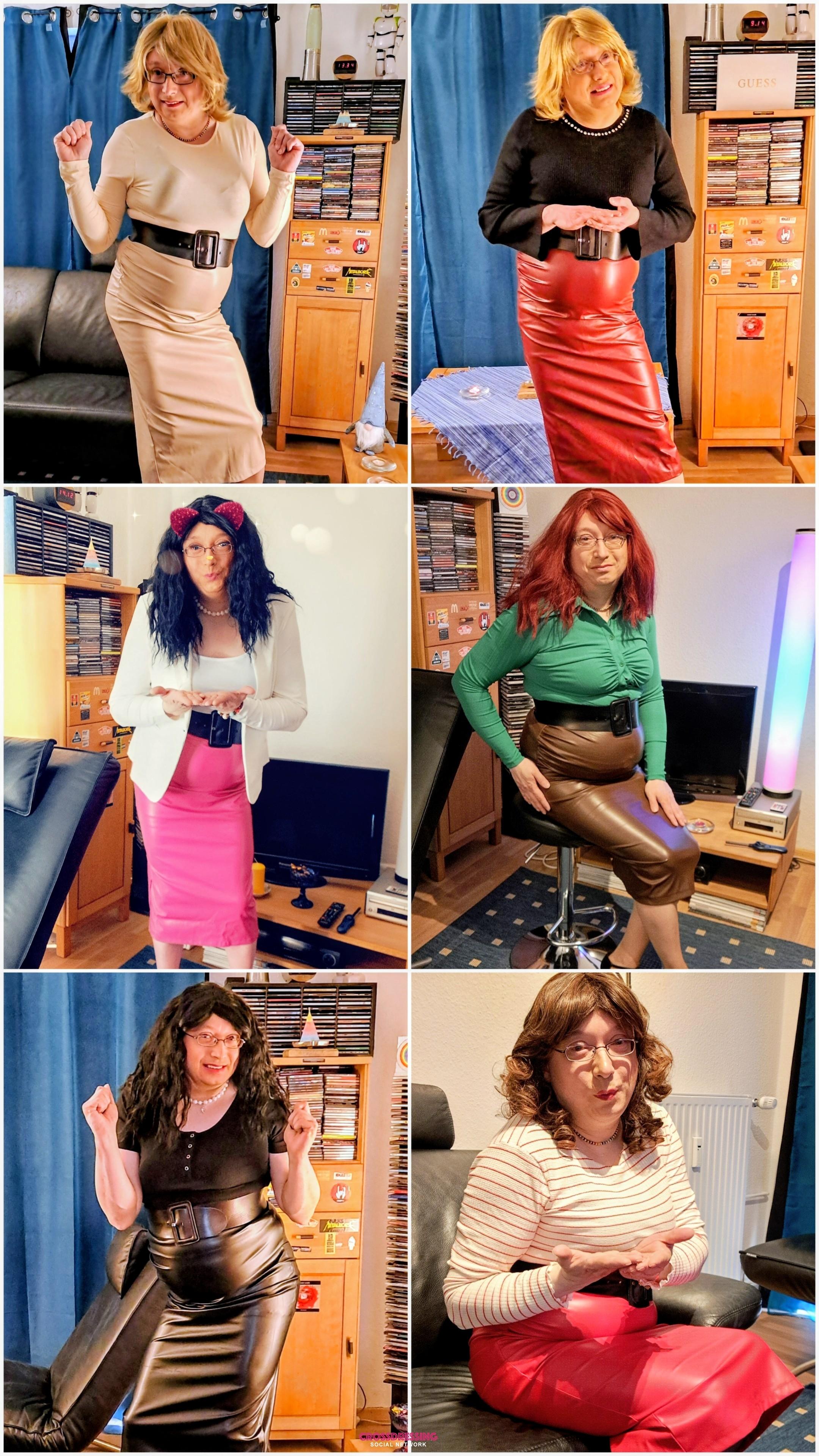
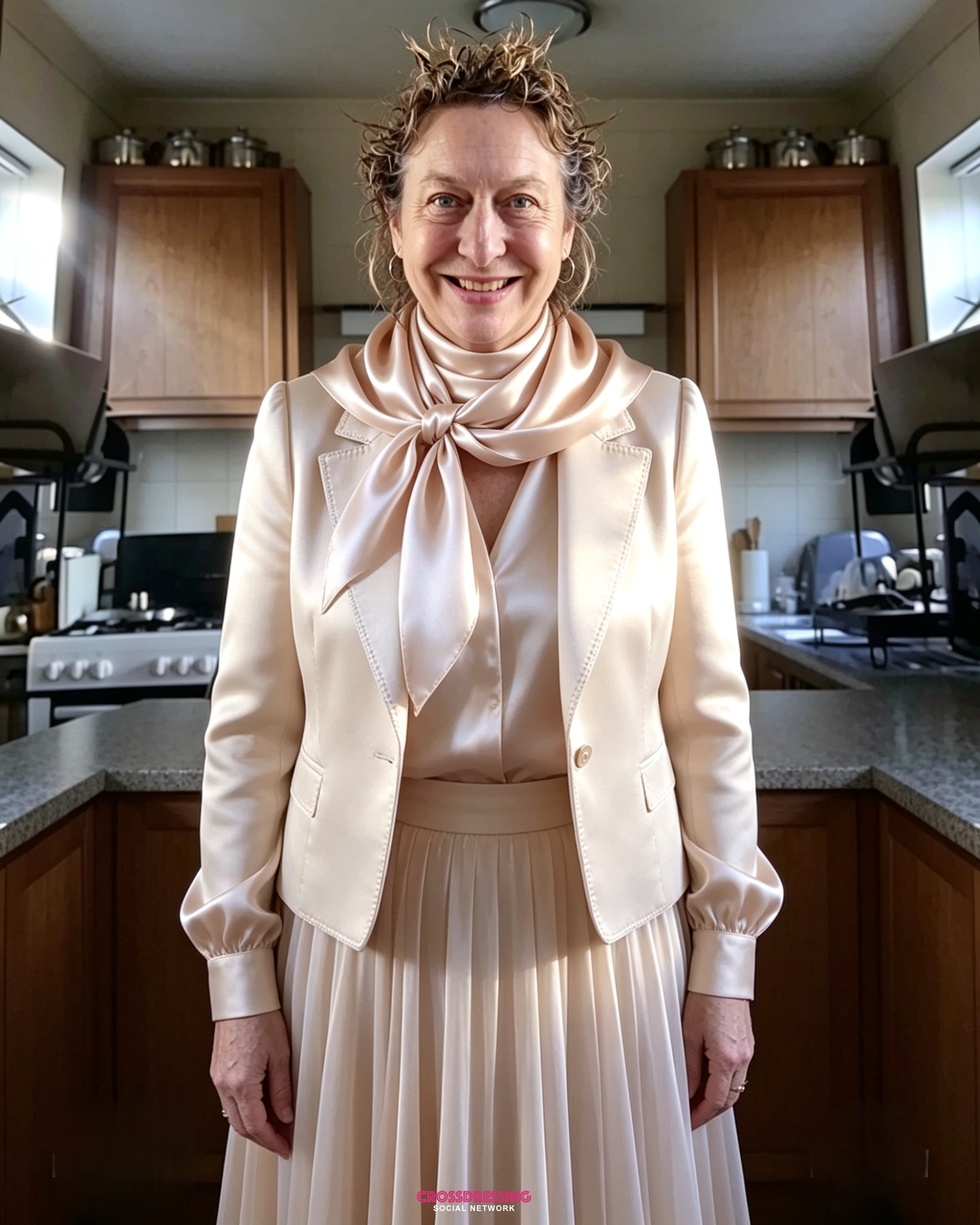
• I don’t wear this attire to much I into shorter more frilly outfits ! 🫢x mesh long skirt , long heavy skirt and long petticoat x enjoy
    #skirts #petticoat #stockings #suspenders #highheels
    I don’t wear this attire to much I into shorter more frilly outfits ! 🫢♥️x mesh long skirt , long heavy skirt and long petticoat x enjoy #skirts #petticoat #stockings #suspenders #highheels
    Love
    5
    2 Comentários 0 Compartilhamentos 1K Visualizações
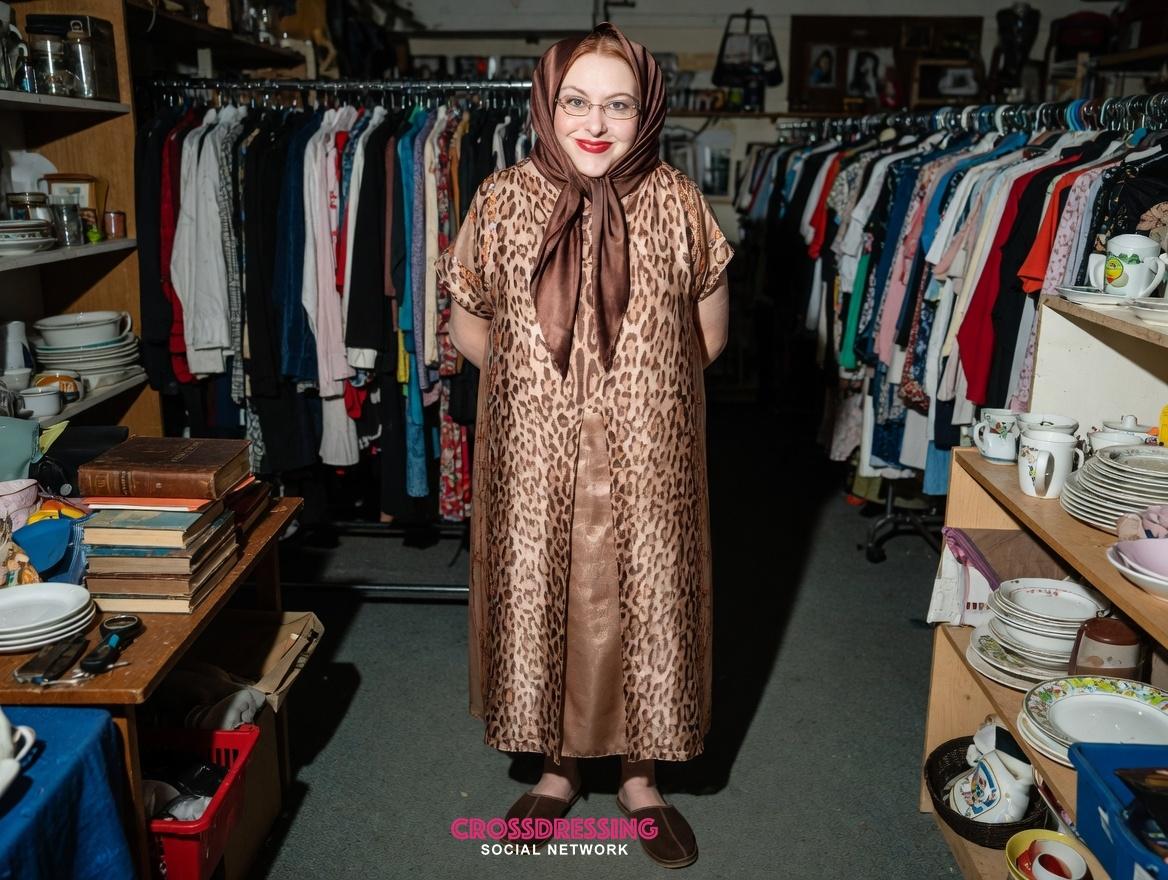
  • Me dressed up at the moment x nice flimsy floaty skirt and pettiskirts and stockings and suspenders and heels locked on still x I am caged and later a plug will slip in x
    #flimsyskirt #pettiskirt #stockings #suspenders #heellocks
    Me dressed up at the moment x nice flimsy floaty skirt and pettiskirts and stockings and suspenders and heels locked on still x❤️ I am caged and later a plug will slip in x #flimsyskirt #pettiskirt #stockings #suspenders #heellocks
    Love
    Like
    3
    1 Comentários 0 Compartilhamentos 1K Visualizações
  • I got a very flimsy frilly skirt on and pettiskirts. Hehe pic soon x
    I got a very flimsy frilly skirt on and pettiskirts. Hehe pic soon x
    0 Comentários 0 Compartilhamentos 750 Visualizações
  • Apart from the more mature ladies I don't see many women wearing skirts. I know it's not very warm but all I see is leggings, jeans, joggers etc. maybe it's the time of day (school runs) but even in the supermarket I don't see any.
    Apart from the more mature ladies I don't see many women wearing skirts. I know it's not very warm but all I see is leggings, jeans, joggers etc. maybe it's the time of day (school runs) but even in the supermarket I don't see any.
    Love
    3
    6 Comentários 0 Compartilhamentos 2K Visualizações
  • The dawn’s light, pale and meagre, stole through the curtains like an uninvited thought. My fire had long since expired, leaving my chamber in that peculiar half chill which seems neither of death nor life. There, upon the table, lay my mourning attire, folded with the reverence one affords to relics rather than garments.

    The Black Satin Tartan gleamed faintly even in that dimness, threads of shadow crossing one another in solemn geometry. My fingers lingered upon it as one might upon the pages of a sacred book. How deftly I remembered the press of another hand guiding mine, long ago, when love was still unashamed to breathe in daylight.

    “Gökçe,” I murmured, and her name rang through the silence, strange and sweet as the chime of a music box long unopened.

    She had been of fragile constitution but radiant humour, a nurse by occupation, yet a poet in spirit. When first we met, it was under the discreet roof of a friend who hosted assemblies for kindred souls ill fitted to the rigid forms of the age. There, amid whispered laughter and the scent of spiced punch, she first beheld me crossdressed as myself, not the half version polite society demanded. Her smile, so unafraid, so brilliantly defiant had unstitched my fears as though they were loose threads upon a cuff.

    Our meetings became the secret rhythm of our lives: letters written in unseen ink, evenings stolen beneath the mist‑wreathed arches of the Cathedral close, where even the saints carved upon the walls seemed complicit in our forbidden contentment.

    Then came the pandemic fever. The city coughed and trembled beneath its pall, and Gökçe torn from me within a week was laid among the cold stones of St. Chad’s yard. In her final moments, as I sat cloaked at her bedside, she had whispered through cracked lips, “Promise me you will not hide yourself from the world in mourning. Wear beauty for both of us.”

    Yet how could I do so? Beauty, to the bereaved, becomes a cutting blade.

    Thus it was upon this morning, four months hence, that I sought to honour that vow. I made my way through the quiet lanes of the Cathedral City to McRae & Daughters, Purveyors of Mourning and Formal Attire. The shop’s brass bell gave a low, reverent note as I entered.

    Mrs McRae herself appeared, a tall woman of genteel bearing, her hair silvered but her eyes bright as cut glass.

    “Good morrow,” she said softly. “You come for mourning, I think?”

    “For remembrance,” I replied. “Not of death, but of what death could not take.”

    She inclined her head, understanding blooming behind that merchant’s polish which age cannot quite conceal. From the cupboard behind her she drew forth two treasures: a Black Tartan Satin headscarf, its sheen as moonlight upon coal, and a sheer chiffon voile veil, so fine that breath seemed likely to scatter it.

    “Exquisite work,” she murmured, laying them before me.

    “I require them for a pilgrimage,” I told her. “To the resting place of one whose heart yet governs mine.”

    Her lips did not move, but a flicker of softness crossed her expression, a compassion seasoned by decades of watching others purchase attire for grief.

    When I placed the scarf upon my head, its coolness brushed my temples like benediction. The veil descended over my eyes, dimming the world into softened outlines. For a moment, I believed I glimpsed Gökçe reflected behind me in the mirror, a faint silhouette, smiling through the satin haze.

    Outside, the bells of noon tolled low and heavy across the square. I crossed the flagstones toward the Cathedral, that great monument of patient sorrow, its stones blackened by both rain and memory. The wind played with my attire, lifting the edges of my veil in gentle mockery, as if inviting me to dance once more through the shadows of our secret youth.

    At the gates of the graveyard, I paused. A gypsy lady selling flowers approached shyly, clutching a handful of violets.

    “For your lost love?” she asked, her accent plain as clay.

    “For my beloved,” I said, and pressed a coin into her palm.

    At the grave, a modest stone softened by the dew, I knelt. The fabric of my skirts rippled like dark water about me.

    “Gökçe,” I whispered, “I have done as you bade me. I wear what beauty remains, though the joy of it burns like frost upon my breast.”

    The wind answered in a voice not unlike laughter. The veil brushed against my lips once more, fluttering as though stirred by a sigh too gentle for this world.

    When I rose, I did not feel the weight of sorrow so keenly as before. It seemed to me that in the gleam of the tartan, in the satin’s melodic rustle, something of our love still lived, a pulse across the gulf of years.

    Watching from a distance, the gypsy lady would say later that she thought she saw two figures leaving the yard that day: one in mourning black, the other in pale reflection, hand‑in‑hand beneath the shrouded sun. Perhaps she was right.
    The dawn’s light, pale and meagre, stole through the curtains like an uninvited thought. My fire had long since expired, leaving my chamber in that peculiar half chill which seems neither of death nor life. There, upon the table, lay my mourning attire, folded with the reverence one affords to relics rather than garments. The Black Satin Tartan gleamed faintly even in that dimness, threads of shadow crossing one another in solemn geometry. My fingers lingered upon it as one might upon the pages of a sacred book. How deftly I remembered the press of another hand guiding mine, long ago, when love was still unashamed to breathe in daylight. “Gökçe,” I murmured, and her name rang through the silence, strange and sweet as the chime of a music box long unopened. She had been of fragile constitution but radiant humour, a nurse by occupation, yet a poet in spirit. When first we met, it was under the discreet roof of a friend who hosted assemblies for kindred souls ill fitted to the rigid forms of the age. There, amid whispered laughter and the scent of spiced punch, she first beheld me crossdressed as myself, not the half version polite society demanded. Her smile, so unafraid, so brilliantly defiant had unstitched my fears as though they were loose threads upon a cuff. Our meetings became the secret rhythm of our lives: letters written in unseen ink, evenings stolen beneath the mist‑wreathed arches of the Cathedral close, where even the saints carved upon the walls seemed complicit in our forbidden contentment. Then came the pandemic fever. The city coughed and trembled beneath its pall, and Gökçe torn from me within a week was laid among the cold stones of St. Chad’s yard. In her final moments, as I sat cloaked at her bedside, she had whispered through cracked lips, “Promise me you will not hide yourself from the world in mourning. Wear beauty for both of us.” Yet how could I do so? Beauty, to the bereaved, becomes a cutting blade. Thus it was upon this morning, four months hence, that I sought to honour that vow. I made my way through the quiet lanes of the Cathedral City to McRae & Daughters, Purveyors of Mourning and Formal Attire. The shop’s brass bell gave a low, reverent note as I entered. Mrs McRae herself appeared, a tall woman of genteel bearing, her hair silvered but her eyes bright as cut glass. “Good morrow,” she said softly. “You come for mourning, I think?” “For remembrance,” I replied. “Not of death, but of what death could not take.” She inclined her head, understanding blooming behind that merchant’s polish which age cannot quite conceal. From the cupboard behind her she drew forth two treasures: a Black Tartan Satin headscarf, its sheen as moonlight upon coal, and a sheer chiffon voile veil, so fine that breath seemed likely to scatter it. “Exquisite work,” she murmured, laying them before me. “I require them for a pilgrimage,” I told her. “To the resting place of one whose heart yet governs mine.” Her lips did not move, but a flicker of softness crossed her expression, a compassion seasoned by decades of watching others purchase attire for grief. When I placed the scarf upon my head, its coolness brushed my temples like benediction. The veil descended over my eyes, dimming the world into softened outlines. For a moment, I believed I glimpsed Gökçe reflected behind me in the mirror, a faint silhouette, smiling through the satin haze. Outside, the bells of noon tolled low and heavy across the square. I crossed the flagstones toward the Cathedral, that great monument of patient sorrow, its stones blackened by both rain and memory. The wind played with my attire, lifting the edges of my veil in gentle mockery, as if inviting me to dance once more through the shadows of our secret youth. At the gates of the graveyard, I paused. A gypsy lady selling flowers approached shyly, clutching a handful of violets. “For your lost love?” she asked, her accent plain as clay. “For my beloved,” I said, and pressed a coin into her palm. At the grave, a modest stone softened by the dew, I knelt. The fabric of my skirts rippled like dark water about me. “Gökçe,” I whispered, “I have done as you bade me. I wear what beauty remains, though the joy of it burns like frost upon my breast.” The wind answered in a voice not unlike laughter. The veil brushed against my lips once more, fluttering as though stirred by a sigh too gentle for this world. When I rose, I did not feel the weight of sorrow so keenly as before. It seemed to me that in the gleam of the tartan, in the satin’s melodic rustle, something of our love still lived, a pulse across the gulf of years. Watching from a distance, the gypsy lady would say later that she thought she saw two figures leaving the yard that day: one in mourning black, the other in pale reflection, hand‑in‑hand beneath the shrouded sun. Perhaps she was right.
    Love
    1
    0 Comentários 0 Compartilhamentos 3K Visualizações
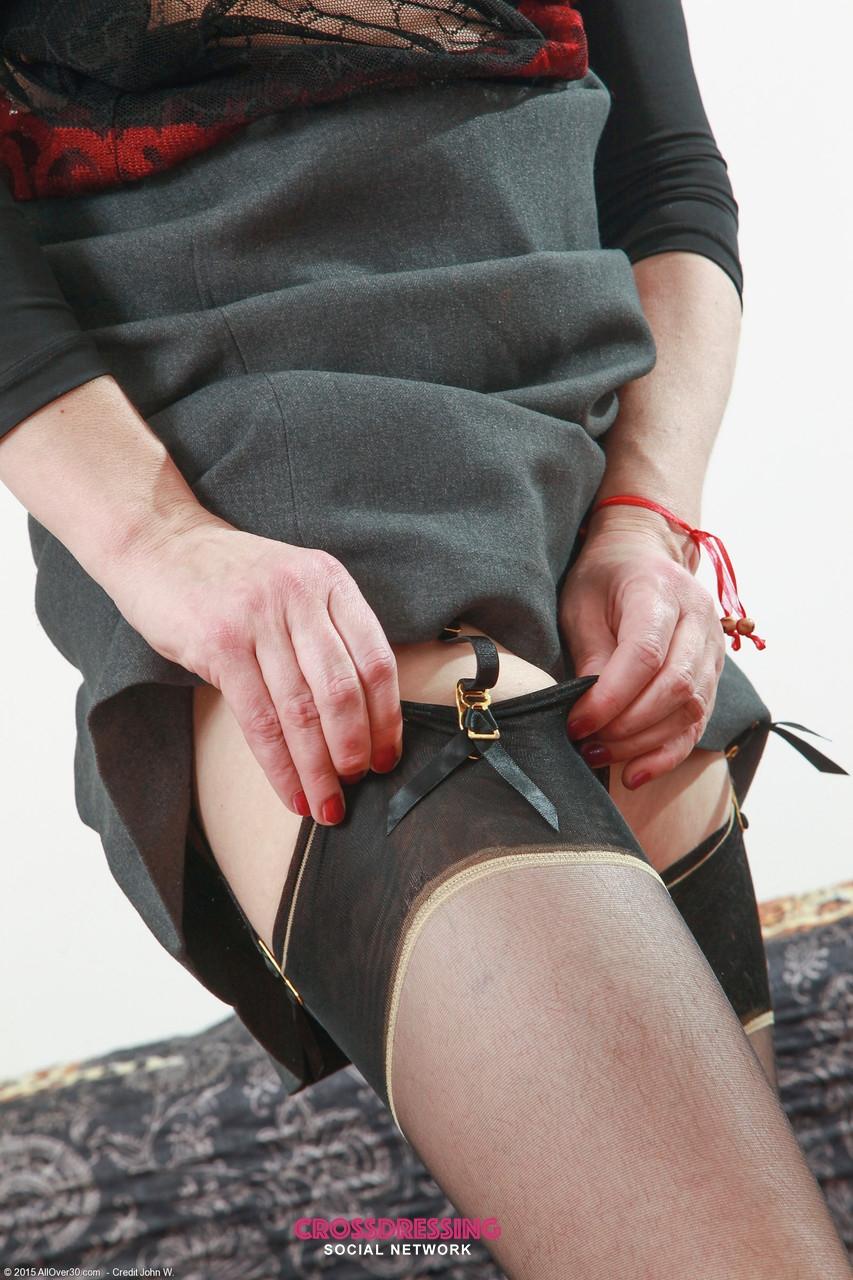
  • I love pleated skirts x with stockings and suspenders and heels x
    #pleatedskirt #seams #highheels
    I love pleated skirts x with stockings and suspenders and heels x #pleatedskirt #seams #highheels
    Love
    Yay
    5
    0 Comentários 0 Compartilhamentos 1K Visualizações
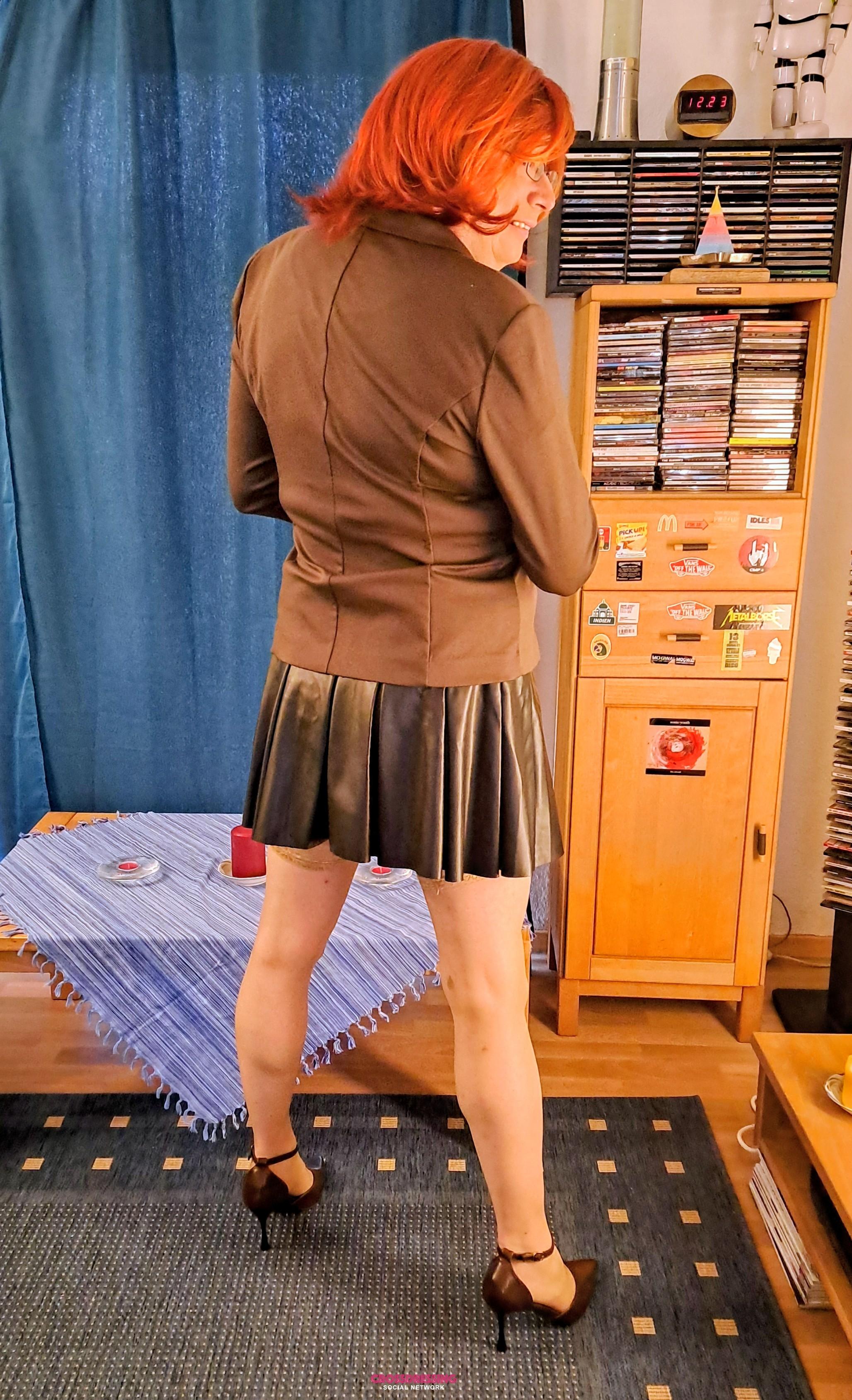
  • I do wear pleated skirts but with a flimsy petticoat underneath lol I am a sucker for a nice skirt x
    #pleatedskirt #petticoat #stockings #suspenders #highheels
    I do wear pleated skirts but with a flimsy petticoat underneath lol I am a sucker for a nice skirt x #pleatedskirt #petticoat #stockings #suspenders #highheels
    Love
    6
    4 Comentários 0 Compartilhamentos 1K Visualizações
  • My red catsuite gets comments , but i love short leather skirts..x
    My red catsuite gets comments , but i love short leather skirts..x
    Love
    Like
    28
    9 Comentários 0 Compartilhamentos 3K Visualizações
  • I love skirts and petticoats! Am I the only one that likes them ? X where are all my fellow skirt and petticoat friends
    #pvcskirt #petticoat #stockings #suspenders #highheels
    I love skirts and petticoats! Am I the only one that likes them ? X where are all my fellow skirt and petticoat friends 🥰 #pvcskirt #petticoat #stockings #suspenders #highheels
    Love
    3
    0 Comentários 0 Compartilhamentos 3K Visualizações
  • March Issue
    M'N'Skirts

    "Less double life!"
    March Issue M'N'Skirts "Less double life!"
    Love
    3
    0 Comentários 0 Compartilhamentos 1K Visualizações
  • A picture of me dressed in one of my favourite skirts yesterday evening
    A picture of me dressed in one of my favourite skirts yesterday evening
    Love
    9
    1 Comentários 0 Compartilhamentos 2K Visualizações
  • I just love wearing my latex skater skirt with pettiskirts underneath to flare it out x
    #latexskirt #pettiskirt #seamedstockings #highheels
    I just love wearing my latex skater skirt with pettiskirts underneath to flare it out x #latexskirt #pettiskirt #seamedstockings #highheels
    Love
    11
    6 Comentários 0 Compartilhamentos 3K Visualizações
  • Who likes wearing latex skater skirts ? X am i the only one x
    Who likes wearing latex skater skirts ? X ❤️ am i the only one 😕🤣🤣🤣 x
    Love
    2
    6 Comentários 0 Compartilhamentos 2K Visualizações
  • I love tiered skirts and petticoats and stockings and suspenders hehe x
    #tieredskirt #pettiskirt #stockings #suspenders #highheels
    I love tiered skirts and petticoats and stockings and suspenders hehe x #tieredskirt #pettiskirt #stockings #suspenders #highheels
    Love
    3
    0 Comentários 0 Compartilhamentos 3K Visualizações
  • I love dressing up x in petticoats and skirts and stockings and suspenders x
    #petticoats #stockings #suspenders #highheels
    I love dressing up x ❤️ in petticoats and skirts and stockings and suspenders x #petticoats #stockings #suspenders #highheels
    Love
    Wow
    3
    0 Comentários 0 Compartilhamentos 2K Visualizações
  • In the Hills after the Bomb they mostly call me The Late Detective. Late to justice, late to lunch, late to the end of the world. The sky was the colour of an old television left on after the station died, tilted at a Dutch angle like God had nudged the tripod and walked away. In this town, fabric tells the truth faster than people. I walked through it swaddled in turquoise satin, layered, intentional, defiant. My trenchcoated attire was heavy silk satin, the kind with a weight to it, a gravity. Satin doesn’t flutter; it arrives. It caught the light even in monochrome, turning every streetlamp into a confession. Underneath, the Victorian mourning attire did what it was designed to do: announce loss while indulging excess. Glossy deluxe blouse frills, cut wide and deep, each fold edged like it had a memory. They whispered when I moved. Satin remembers. It always does. The hijab headscarf was oversized turquoise satin, wrapped high and proud, smooth as a bribe sliding across a table. Over that, a chiffon voile veil, sheer, unforgiving, honest. Chiffon doesn’t hide anything; it only softens the blow. It floated just off my face, catching the radioactive breeze, turning my grief into motion. Taffeta anchored the gown beneath it all, crisp and slightly petulant, holding its shape like a stubborn alibi. Taffeta never forgets it’s there. I knew the case was serious the moment I saw the mannequins. The Garment District had been stripped naked. Not torn apart, undressed. Racks stood empty, arms out like they were asking questions nobody wanted to answer. The air smelled wrong. Usually it was starch, dye, steam, ambition. Now it was dust and panic. Silk was missing. All of it. Not just silk as a category, but silk as an idea. Satin-faced charmeuse. Heavy duchess satin meant for gowns that expected to be remembered. Raw silk with its tiny imperfections, honest as a tired smile. Silk twill that knew how to hold a line. Gone. Satin too, proper satin, not that plastic nonsense. The good stuff that slides between your fingers like it’s trying to escape. Satin that makes even cheap tailoring look like it has a lawyer. Vanished. Taffeta bolts were missing next. Crisp, noisy taffeta that rustles when you walk, announcing your presence whether you like it or not. The kind of fabric that refuses subtlety. Someone had wanted drama. And chiffon. God help us, chiffon. Weightless, floaty, translucent. Chiffon that catches on breath, on light, on the idea of movement. The chiffon racks looked like a graveyard of empty hangers. Voile too, cotton voile, silk voile, the gentle middle child that designers rely on when they want softness without surrender. Gone like a promise after the bombs. This wasn’t theft. This was curation. The femme fatale found me tracing the grain of a wooden cutting table, my gloved fingers remembering where silk had once lain. “They took only the best,” she said, lighting a cigarette like it was an accessory. “Nothing synthetic. Nothing that couldn’t mourn properly.” That told me everything. In the apocalypse, fabric becomes currency. Silk means water, means safety, means time to think. Satin means power. Taffeta means spectacle. Chiffon means hope. Voile means tenderness, the most dangerous commodity of all. I followed the trail through tailor shops and bombed out ateliers, past pattern paper fluttering like white flags. A single thread of turquoise voile snagged on a rusted nail led me uphill, toward the old soundstages where dreams used to be pressed, steamed, and sent out into the world with a smile. Inside, the thieves had laid it all out. Bolts of silk arranged by weight and weave. Satin draped over chairs, catching the light like liquid. Taffeta stacked with military precision, crisp edges aligned, ready to explode into skirts and coats. Chiffon suspended from rigging, floating in layers, a cloud of almost nothing. Voile stretched and tested, light passing through it like mercy. They weren’t stealing to sell. They were building. A final show. A post apocalyptic couture reveal. If the world was ending and it always was then it deserved a proper wardrobe. They surrounded me, guns low, eyes hungry. I adjusted my veil, let the chiffon breathe. “You can’t hoard fabric,” I told them. “It has to be worn. Silk dies in the dark.” The Choir hesitated. Madame Bias frowned, fingers brushing a length of satin like she was checking its pulse. The Cutter looked at my gown, at the way satin, taffeta, and chiffon argued and reconciled on my body. Fashion did the rest. In the end, the fabrics went back out into the streets. Seamstresses worked by candlelight. Mourning gowns bloomed. Trenchcoats shimmered. Veils floated through fallout like prayers that hadn’t given up yet. I walked home heavy with more layers than I arrived wearing, turquoise against the end of the world, every material doing what it was born to do.
    In the Hills after the Bomb they mostly call me The Late Detective. Late to justice, late to lunch, late to the end of the world. The sky was the colour of an old television left on after the station died, tilted at a Dutch angle like God had nudged the tripod and walked away. In this town, fabric tells the truth faster than people. I walked through it swaddled in turquoise satin, layered, intentional, defiant. My trenchcoated attire was heavy silk satin, the kind with a weight to it, a gravity. Satin doesn’t flutter; it arrives. It caught the light even in monochrome, turning every streetlamp into a confession. Underneath, the Victorian mourning attire did what it was designed to do: announce loss while indulging excess. Glossy deluxe blouse frills, cut wide and deep, each fold edged like it had a memory. They whispered when I moved. Satin remembers. It always does. The hijab headscarf was oversized turquoise satin, wrapped high and proud, smooth as a bribe sliding across a table. Over that, a chiffon voile veil, sheer, unforgiving, honest. Chiffon doesn’t hide anything; it only softens the blow. It floated just off my face, catching the radioactive breeze, turning my grief into motion. Taffeta anchored the gown beneath it all, crisp and slightly petulant, holding its shape like a stubborn alibi. Taffeta never forgets it’s there. I knew the case was serious the moment I saw the mannequins. The Garment District had been stripped naked. Not torn apart, undressed. Racks stood empty, arms out like they were asking questions nobody wanted to answer. The air smelled wrong. Usually it was starch, dye, steam, ambition. Now it was dust and panic. Silk was missing. All of it. Not just silk as a category, but silk as an idea. Satin-faced charmeuse. Heavy duchess satin meant for gowns that expected to be remembered. Raw silk with its tiny imperfections, honest as a tired smile. Silk twill that knew how to hold a line. Gone. Satin too, proper satin, not that plastic nonsense. The good stuff that slides between your fingers like it’s trying to escape. Satin that makes even cheap tailoring look like it has a lawyer. Vanished. Taffeta bolts were missing next. Crisp, noisy taffeta that rustles when you walk, announcing your presence whether you like it or not. The kind of fabric that refuses subtlety. Someone had wanted drama. And chiffon. God help us, chiffon. Weightless, floaty, translucent. Chiffon that catches on breath, on light, on the idea of movement. The chiffon racks looked like a graveyard of empty hangers. Voile too, cotton voile, silk voile, the gentle middle child that designers rely on when they want softness without surrender. Gone like a promise after the bombs. This wasn’t theft. This was curation. The femme fatale found me tracing the grain of a wooden cutting table, my gloved fingers remembering where silk had once lain. “They took only the best,” she said, lighting a cigarette like it was an accessory. “Nothing synthetic. Nothing that couldn’t mourn properly.” That told me everything. In the apocalypse, fabric becomes currency. Silk means water, means safety, means time to think. Satin means power. Taffeta means spectacle. Chiffon means hope. Voile means tenderness, the most dangerous commodity of all. I followed the trail through tailor shops and bombed out ateliers, past pattern paper fluttering like white flags. A single thread of turquoise voile snagged on a rusted nail led me uphill, toward the old soundstages where dreams used to be pressed, steamed, and sent out into the world with a smile. Inside, the thieves had laid it all out. Bolts of silk arranged by weight and weave. Satin draped over chairs, catching the light like liquid. Taffeta stacked with military precision, crisp edges aligned, ready to explode into skirts and coats. Chiffon suspended from rigging, floating in layers, a cloud of almost nothing. Voile stretched and tested, light passing through it like mercy. They weren’t stealing to sell. They were building. A final show. A post apocalyptic couture reveal. If the world was ending and it always was then it deserved a proper wardrobe. They surrounded me, guns low, eyes hungry. I adjusted my veil, let the chiffon breathe. “You can’t hoard fabric,” I told them. “It has to be worn. Silk dies in the dark.” The Choir hesitated. Madame Bias frowned, fingers brushing a length of satin like she was checking its pulse. The Cutter looked at my gown, at the way satin, taffeta, and chiffon argued and reconciled on my body. Fashion did the rest. In the end, the fabrics went back out into the streets. Seamstresses worked by candlelight. Mourning gowns bloomed. Trenchcoats shimmered. Veils floated through fallout like prayers that hadn’t given up yet. I walked home heavy with more layers than I arrived wearing, turquoise against the end of the world, every material doing what it was born to do.
    Like
    Love
    2
    0 Comentários 0 Compartilhamentos 8K Visualizações
  • The case came in sideways, like everything else north of the equator these days.

    Over the irradiated murky Atlantic pond, Glasgow didn’t rain so much as accuse. The drizzle slid down the soot-stained tenements like it knew every sin committed inside them. Post-war, post-bomb, post-everything that ever pretended to be civilized. The apocalypse didn’t flatten Scotland the way it did Los Angeles, it hollowed it out instead, left the bones standing and filled the gaps with whisky, guns, and ghosts.

    I wore black that night. Not the practical kind.
    The statement kind.

    A black oversized tartan satin headscarf wrapped tight around my hair, catching the light like wet ink. Over my face, a sheer black chiffon voile veil, the mourning lace thin enough to breathe through, thick enough to hide regret. The rest of me was Victorian grief dialed up to eleven: glossy black tartan blouse with rococo frills, satin panels hugging me like a second conscience, skirts whispering every time I moved. I looked like a widow who’d buried the world and decided it deserved it.

    In Glasgow, that bought me anonymity.

    They called me Han here too, though the locals said it like a question. I’d followed the trail across the Atlantic after a shipment of American surplus hardware went missing, Tommy guns, plasma pistols, a few toys left over from the end of the world. Fallout New Vegas tech, Hollywood Hills money, Highland routes. Someone was running iron through the glens and washing it down with single malt older than the war itself.

    The back streets off Trongate were crooked enough to make a Dutch cameraman weep. Buildings leaned in close, sharing secrets. Gas lamps flickered like they were afraid of what they might illuminate. I walked slow, heels deliberate, veil fluttering just enough to let the right people notice and the wrong people hesitate.

    That’s when the femme fatale found me.

    She leaned against a doorway like she’d been waiting for the end of the world to catch up. Hair platinum under a cloche hat, lips dark as a closed casket. Scottish, sharp, and carrying herself like a blade wrapped in silk.

    “You’re far from Hollywood, sweetheart,” she said. “And you’re dressed for a funeral that isn’t yours.”

    “Everyone’s funeral is mine eventually,” I said. “I just like to dress appropriately.”

    She smiled. That was the mistake.

    Her name was Moira Blackwood. Whisky broker. Gun runner. Mourner by trade. She dealt in Highland routes, smugglers who knew every fog bank, every forgotten rail spur left behind when the bombs fell south. The Americans supplied the firepower. The Scots supplied the patience.

    And someone was skimming.

    Bodies were turning up in the lochs. Empty bottles floating beside them like punchlines. Moira wanted to know who was cutting into her business before it turned into a clan war with automatic weapons.

    We took a train north that barely remembered being a train. Through valleys drowned in mist and radiation snow. I kept the veil on the whole way. In the Highlands, superstition still worked better than bullets.

    The smugglers met us in an abandoned distillery, barrels stacked like tombstones. The tartan of my outfit mirrored theirs, same pattern, different intent. They watched me carefully. Men always did when they couldn’t decide what category to put me in.

    That hesitation saved my life.

    When the shooting started, I was already moving. Heels skidding on stone, skirts swirling, revolver barking from beneath layers of satin and sorrow. Moira went down fast—winged, not dead. The real culprit bolted for the back door, carrying a ledger thick with names and lies.

    I caught him by the loch.

    The water reflected us in stark monochrome: him shaking, me looming, veil rippling like smoke. He confessed quickly. They always did when faced with someone who looked like death had chosen tartan satin couture.

    I left him there for the deep dark water to judge.

    By dawn, the Highlands were quiet again. Moira paid me in whisky older than memory and ammunition stamped with American lies. Fair trade.

    Back in Glasgow, I stood in a cracked mirror in a boarding house that smelled of coal and grief. I removed the veil last. Always last.

    Another city survived. Another secret buried. Another outfit stained with rain instead of blood.

    The world was still tilted. Still broken. Still rolling on at the wrong angle.

    But as long as there were shadows to walk and clothes that told the truth my mouth didn’t have to, I’d keep going.

    Mourning never goes out of fashion.
    The case came in sideways, like everything else north of the equator these days. Over the irradiated murky Atlantic pond, Glasgow didn’t rain so much as accuse. The drizzle slid down the soot-stained tenements like it knew every sin committed inside them. Post-war, post-bomb, post-everything that ever pretended to be civilized. The apocalypse didn’t flatten Scotland the way it did Los Angeles, it hollowed it out instead, left the bones standing and filled the gaps with whisky, guns, and ghosts. I wore black that night. Not the practical kind. The statement kind. A black oversized tartan satin headscarf wrapped tight around my hair, catching the light like wet ink. Over my face, a sheer black chiffon voile veil, the mourning lace thin enough to breathe through, thick enough to hide regret. The rest of me was Victorian grief dialed up to eleven: glossy black tartan blouse with rococo frills, satin panels hugging me like a second conscience, skirts whispering every time I moved. I looked like a widow who’d buried the world and decided it deserved it. In Glasgow, that bought me anonymity. They called me Han here too, though the locals said it like a question. I’d followed the trail across the Atlantic after a shipment of American surplus hardware went missing, Tommy guns, plasma pistols, a few toys left over from the end of the world. Fallout New Vegas tech, Hollywood Hills money, Highland routes. Someone was running iron through the glens and washing it down with single malt older than the war itself. The back streets off Trongate were crooked enough to make a Dutch cameraman weep. Buildings leaned in close, sharing secrets. Gas lamps flickered like they were afraid of what they might illuminate. I walked slow, heels deliberate, veil fluttering just enough to let the right people notice and the wrong people hesitate. That’s when the femme fatale found me. She leaned against a doorway like she’d been waiting for the end of the world to catch up. Hair platinum under a cloche hat, lips dark as a closed casket. Scottish, sharp, and carrying herself like a blade wrapped in silk. “You’re far from Hollywood, sweetheart,” she said. “And you’re dressed for a funeral that isn’t yours.” “Everyone’s funeral is mine eventually,” I said. “I just like to dress appropriately.” She smiled. That was the mistake. Her name was Moira Blackwood. Whisky broker. Gun runner. Mourner by trade. She dealt in Highland routes, smugglers who knew every fog bank, every forgotten rail spur left behind when the bombs fell south. The Americans supplied the firepower. The Scots supplied the patience. And someone was skimming. Bodies were turning up in the lochs. Empty bottles floating beside them like punchlines. Moira wanted to know who was cutting into her business before it turned into a clan war with automatic weapons. We took a train north that barely remembered being a train. Through valleys drowned in mist and radiation snow. I kept the veil on the whole way. In the Highlands, superstition still worked better than bullets. The smugglers met us in an abandoned distillery, barrels stacked like tombstones. The tartan of my outfit mirrored theirs, same pattern, different intent. They watched me carefully. Men always did when they couldn’t decide what category to put me in. That hesitation saved my life. When the shooting started, I was already moving. Heels skidding on stone, skirts swirling, revolver barking from beneath layers of satin and sorrow. Moira went down fast—winged, not dead. The real culprit bolted for the back door, carrying a ledger thick with names and lies. I caught him by the loch. The water reflected us in stark monochrome: him shaking, me looming, veil rippling like smoke. He confessed quickly. They always did when faced with someone who looked like death had chosen tartan satin couture. I left him there for the deep dark water to judge. By dawn, the Highlands were quiet again. Moira paid me in whisky older than memory and ammunition stamped with American lies. Fair trade. Back in Glasgow, I stood in a cracked mirror in a boarding house that smelled of coal and grief. I removed the veil last. Always last. Another city survived. Another secret buried. Another outfit stained with rain instead of blood. The world was still tilted. Still broken. Still rolling on at the wrong angle. But as long as there were shadows to walk and clothes that told the truth my mouth didn’t have to, I’d keep going. Mourning never goes out of fashion.
    Love
    2
    0 Comentários 0 Compartilhamentos 7K Visualizações
  • The rain hammered down on the cracked pavement like a thousand accusations, each drop a reminder that the world had gone to hell in a handbasket back in '52, when the bombs fell and turned the City of Angels into a monochrome nightmare. I adjusted the strap of my garter belt under my trench coat, feeling the silk stockings whisper against my skin like a forbidden secret. Name's Tracy with a Dick, wait, no, that's too on the nose. Call me Hanimefendi Basortulu, or just Han if you're buying the drinks. By day, I'm the hard boiled gumshoe pounding the shadowed alleys of this irradiated husk of Los Angeles, dodging mutants and mobsters in equal measure. But when the neon flickers out and the Dutch angles of my life tilt just right, I'm something else entirely: a crossdressing sissy in satin, chasing skirts instead of skirts chasing me.
    It started with a dame, like all my stories do. Or at least, that's how I tell it to the mirror while I paint my lips ruby red in the dim glow of my office bulb the one that swings like a noose in the wind howling through the boarded up windows. The apocalypse had stripped the city bare, leaving behind skeletal skyscrapers leaning at crazy angles, their glass eyes shattered from the blasts. Food was rationed, water was poison, and hope? That was a luxury for the pre war fools. Me? I survived by sniffing out secrets in the fog of fallout, my fedora pulled low over eyes shadowed with kohl I swiped from a ruined department store.
    She slinked into my office that night, a vision in tattered mink and desperation. "Mr. Basortulu," she purred, her voice cutting through the static of my battered radio spitting out old jazz tunes. "I need a man who can handle... delicate matters." Her eyes flicked to my desk, where a stray lipstick tube had rolled out from under some files. I snatched it up quick, heart pounding like a tommy gun. If she noticed, she didn't let on. Her husband, a big shot fallout bunker baron hoarding pre war hooch, had vanished into the undercity the labyrinth of sewers and subways where the real monsters lurked, glowing with radiation and grudge.
    I took the case because rent was due, and because her perfume smelled like the lilacs that used to bloom before the sky turned perpetual gray. Slipping out the back door, I ditched the coat for my real armor: a frilly silken blouse tucked into a satin pencil skirt, heels that clicked like gunshots on the debris strewn streets. Crossdressing wasn't just a kink in this apocalypse; it was camouflage. The goons patrolling the ruins looked for tough guys in suits, not a mincing minx batting lashes from the shadows. I'd learned that the hard way, back when the first riots hit and I hid in a drag queen's bunker, emerging reborn in marabou feathers, silk, satin, lace and lies.
    The trail led me to the Dutch Tilt District, where buildings leaned like drunks at last call, their angles throwing everything off kilter just like my life. I tailed a suspect through the monochrome haze, my wig itching under the fedora I'd crammed back on. He was a weasel faced rat, peddling black market estrogen shots to the desperate. "Where's the baron?" I hissed, pressing a stiletto heel to his throat after I cornered him in an alley reeking of rot.
    He spilled like cheap bourbon: the husband wasn't missing; he'd been snatched by the Shadow Syndicate, a cult of irradiated freaks worshiping the bomb as a god. They operated from the old Hollywood studios, twisting pre war films into propaganda reels that played on loop in the bunkers. I infiltrated at dusk, dolled up in a Lamé cocktail dress that hugged my curves like a guilty conscience. The guards bought the act hell, one even wolf whistled as I sashayed past, my .38 snub nose tucked in my garter.
    Inside, it was a fever dream of tilted cameras and flickering projectors. The baron was tied to a chair, force-fed their twisted sermons. But the real twist? The dame was in on it. She emerged from the shadows, gun in hand, her mink shedding like a snake's skin. "You should've stayed in your lane, detective," she sneered. "Or should I say, crossdressing doll?"
    We tussled in the projector light, our shadows dancing at mad angles on the walls, her nails raking my stockings, my fist connecting with her jaw. I got the drop on her, tying her up with her own pearls. "In this world, honey," I growled, voice husky from the hormones I'd been sneaking, "everyone's got a secret identity. Mine just fits better."
    I dragged the baron out, collected my fee in canned peaches and ammo, and vanished back into the rain. Back in my office, I peeled off the layers, staring at my reflection in the cracked mirror. The apocalypse had taken everything, my city, my withered manhood, my illusions. But it gave me this: a gumshoe in girdles and satin, tilting at windmills in a world gone sideways. And in the end, that's all any of us have left. A story, a smoke, and the next case waiting in the wings.
    The rain hammered down on the cracked pavement like a thousand accusations, each drop a reminder that the world had gone to hell in a handbasket back in '52, when the bombs fell and turned the City of Angels into a monochrome nightmare. I adjusted the strap of my garter belt under my trench coat, feeling the silk stockings whisper against my skin like a forbidden secret. Name's Tracy with a Dick, wait, no, that's too on the nose. Call me Hanimefendi Basortulu, or just Han if you're buying the drinks. By day, I'm the hard boiled gumshoe pounding the shadowed alleys of this irradiated husk of Los Angeles, dodging mutants and mobsters in equal measure. But when the neon flickers out and the Dutch angles of my life tilt just right, I'm something else entirely: a crossdressing sissy in satin, chasing skirts instead of skirts chasing me. It started with a dame, like all my stories do. Or at least, that's how I tell it to the mirror while I paint my lips ruby red in the dim glow of my office bulb the one that swings like a noose in the wind howling through the boarded up windows. The apocalypse had stripped the city bare, leaving behind skeletal skyscrapers leaning at crazy angles, their glass eyes shattered from the blasts. Food was rationed, water was poison, and hope? That was a luxury for the pre war fools. Me? I survived by sniffing out secrets in the fog of fallout, my fedora pulled low over eyes shadowed with kohl I swiped from a ruined department store. She slinked into my office that night, a vision in tattered mink and desperation. "Mr. Basortulu," she purred, her voice cutting through the static of my battered radio spitting out old jazz tunes. "I need a man who can handle... delicate matters." Her eyes flicked to my desk, where a stray lipstick tube had rolled out from under some files. I snatched it up quick, heart pounding like a tommy gun. If she noticed, she didn't let on. Her husband, a big shot fallout bunker baron hoarding pre war hooch, had vanished into the undercity the labyrinth of sewers and subways where the real monsters lurked, glowing with radiation and grudge. I took the case because rent was due, and because her perfume smelled like the lilacs that used to bloom before the sky turned perpetual gray. Slipping out the back door, I ditched the coat for my real armor: a frilly silken blouse tucked into a satin pencil skirt, heels that clicked like gunshots on the debris strewn streets. Crossdressing wasn't just a kink in this apocalypse; it was camouflage. The goons patrolling the ruins looked for tough guys in suits, not a mincing minx batting lashes from the shadows. I'd learned that the hard way, back when the first riots hit and I hid in a drag queen's bunker, emerging reborn in marabou feathers, silk, satin, lace and lies. The trail led me to the Dutch Tilt District, where buildings leaned like drunks at last call, their angles throwing everything off kilter just like my life. I tailed a suspect through the monochrome haze, my wig itching under the fedora I'd crammed back on. He was a weasel faced rat, peddling black market estrogen shots to the desperate. "Where's the baron?" I hissed, pressing a stiletto heel to his throat after I cornered him in an alley reeking of rot. He spilled like cheap bourbon: the husband wasn't missing; he'd been snatched by the Shadow Syndicate, a cult of irradiated freaks worshiping the bomb as a god. They operated from the old Hollywood studios, twisting pre war films into propaganda reels that played on loop in the bunkers. I infiltrated at dusk, dolled up in a Lamé cocktail dress that hugged my curves like a guilty conscience. The guards bought the act hell, one even wolf whistled as I sashayed past, my .38 snub nose tucked in my garter. Inside, it was a fever dream of tilted cameras and flickering projectors. The baron was tied to a chair, force-fed their twisted sermons. But the real twist? The dame was in on it. She emerged from the shadows, gun in hand, her mink shedding like a snake's skin. "You should've stayed in your lane, detective," she sneered. "Or should I say, crossdressing doll?" We tussled in the projector light, our shadows dancing at mad angles on the walls, her nails raking my stockings, my fist connecting with her jaw. I got the drop on her, tying her up with her own pearls. "In this world, honey," I growled, voice husky from the hormones I'd been sneaking, "everyone's got a secret identity. Mine just fits better." I dragged the baron out, collected my fee in canned peaches and ammo, and vanished back into the rain. Back in my office, I peeled off the layers, staring at my reflection in the cracked mirror. The apocalypse had taken everything, my city, my withered manhood, my illusions. But it gave me this: a gumshoe in girdles and satin, tilting at windmills in a world gone sideways. And in the end, that's all any of us have left. A story, a smoke, and the next case waiting in the wings.
    Love
    1
    0 Comentários 0 Compartilhamentos 10K Visualizações
  • Blue Leopard Chiffon assorted Skirts
    Blue Leopard Chiffon assorted Skirts
    Love
    10
    0 Comentários 0 Compartilhamentos 2K Visualizações
  • In this year of Our Lord 1885, I, a gentleman of four-and-sixty summers and considerable corpulence, find myself irrevocably committed to the most elaborate and humiliating semblance of a widow in deepest mourning, nay, a sissy crossdresser, every contour of my person exaggerated into an absurd excess of feminine propriety at the unyielding command of Madame. My unwieldy frame is confined within a voluminous gown of black bombazine, its lustrous silk bodice drawn so severely that my affixed bosom rises and falls in mock matronly dignity. Upon my head sits an immense crape bonnet, enveloped in multitudinous folds of black crepe veiling that descend softly over my countenance and shoulders like the very pall of perpetual bereavement, its diaphanous gauze quivering with each breath and rendering me a figure of spectral, enforced delicacy.
    Beneath this sombre raiment, a prodigious crinoline encircles my ample waist, distending the skirt to such extravagant breadth that every halting step discloses the lace-fringed hems of my cambric under-drawers and the delicately trimmed tops of my black lisle stockings, secured by embroidered satin garters. At times madame requires silk hose of the sheerest texture, yet the mortification endures undiminished. My feet, protesting and swollen, are imprisoned within patent leather ankle boots of four inches’ Louis heel, their pointed toes permitting a glimpse of my varnished nails in pitiable vulnerability. Should indolence be suspected, Madame fastens the straps with black satin ribbons, forestalling any attempt at relief. My hands, bearing permanent false nails of gleaming pearl, are gloved in lace mittens, adorned with rings upon every finger, while a jet choker of frilled design encircles my thick neck as a badge of submission. The whole attire is so profoundly girlish, so burdened with widow’s frippery, that it would provoke scandal even among the most devout matrons of Her Majesty’s court.
    I descend from our Brougham in the crowded precincts of Covent Garden, With utmost caution I arrange my skirts, the heels resounding sharply upon the cobblestones, and proceed with mincing steps, hips swaying perforce beneath the crinoline’s dominion and the boots’ perilous elevation. Soft laughter ripples along the stallholders. Smiles of polite astonishment. Complimentary remarks follow. “La, madam, what a most becoming habit of mourning!” one declares. “The veil is exceedingly elegant, and those boots quite the mode!” They suppose it a seasonal fancy. I colour deeply beneath the crepe, threading my way through the ordeal with measured tread, aware that I shall return in seven days, and seven again thereafter, clad precisely thus, bereft of any festal pretext merely a creature wholly subject to his lady’s will.
    I procure the articles enumerated upon Madame's list, tea of finest quality, spices, and provisions discharge the account, and retire with mincing gait to the carriage, crinoline whispering, veil fluttering like a mourner’s sigh. Madame directs that I convey her thither beforehand, yet she commands me first to enter and obtain her broadsheet and sweetmeats. As I totter across the thoroughfare, heels clacking, a lady seated in an adjacent Hansom calls out: “Those boots are positively ravishing, madam!” I turn, the veil shifting with ethereal grace, and reply in a low, submissive tone, “I am most obliged to you, Madame is pleased to attire me in this manner at all times.” She laughs with genuine delight. “Would that I might prevail upon my own husband to exhibit such commendable obedience!” Having restored Madame to her residence, I repair to the wine merchant’s. The moment I enter, eyes fix upon me chuckles, prolonged gazes. The proprietress cannot forbear a smile at my boots, her glance ascending to my carefully plucked brows, arched with precision. “Heavens preserve us,” she exclaims, “this is no mere passing fancy of costume. You have worn it for a considerable period, have you not?” I venture a faint, veiled smile. “Indeed, madam… it is the garb prescribed for me upon every occasion of shopping. I endeavour, by degrees, to grow reconciled to it.” A youthful clerk conveys the case of port to the carriage. He chuckles softly. “You bear it with uncommon grace, sir.” Madame assures me that habituation shall ensue. “In due course, the sense of mortification will diminish,” she declares with quiet conviction. “You will become thoroughly accustomed to your station as my devoted maidservant.” She contemplates the future with satisfaction: I, attending to the household in full uniform, discharging her every errand, awaiting her return in patient seclusion. Upon her entrance, I must execute a profound curtsey and relieve her of mantle and parasol. At every ingress or egress from a chamber curtsey. All domestic duties devolve upon me, performed amid the perpetual rustle of bombazine and crinoline.
    In this year of Our Lord 1885, I, a gentleman of four-and-sixty summers and considerable corpulence, find myself irrevocably committed to the most elaborate and humiliating semblance of a widow in deepest mourning, nay, a sissy crossdresser, every contour of my person exaggerated into an absurd excess of feminine propriety at the unyielding command of Madame. My unwieldy frame is confined within a voluminous gown of black bombazine, its lustrous silk bodice drawn so severely that my affixed bosom rises and falls in mock matronly dignity. Upon my head sits an immense crape bonnet, enveloped in multitudinous folds of black crepe veiling that descend softly over my countenance and shoulders like the very pall of perpetual bereavement, its diaphanous gauze quivering with each breath and rendering me a figure of spectral, enforced delicacy. Beneath this sombre raiment, a prodigious crinoline encircles my ample waist, distending the skirt to such extravagant breadth that every halting step discloses the lace-fringed hems of my cambric under-drawers and the delicately trimmed tops of my black lisle stockings, secured by embroidered satin garters. At times madame requires silk hose of the sheerest texture, yet the mortification endures undiminished. My feet, protesting and swollen, are imprisoned within patent leather ankle boots of four inches’ Louis heel, their pointed toes permitting a glimpse of my varnished nails in pitiable vulnerability. Should indolence be suspected, Madame fastens the straps with black satin ribbons, forestalling any attempt at relief. My hands, bearing permanent false nails of gleaming pearl, are gloved in lace mittens, adorned with rings upon every finger, while a jet choker of frilled design encircles my thick neck as a badge of submission. The whole attire is so profoundly girlish, so burdened with widow’s frippery, that it would provoke scandal even among the most devout matrons of Her Majesty’s court. I descend from our Brougham in the crowded precincts of Covent Garden, With utmost caution I arrange my skirts, the heels resounding sharply upon the cobblestones, and proceed with mincing steps, hips swaying perforce beneath the crinoline’s dominion and the boots’ perilous elevation. Soft laughter ripples along the stallholders. Smiles of polite astonishment. Complimentary remarks follow. “La, madam, what a most becoming habit of mourning!” one declares. “The veil is exceedingly elegant, and those boots quite the mode!” They suppose it a seasonal fancy. I colour deeply beneath the crepe, threading my way through the ordeal with measured tread, aware that I shall return in seven days, and seven again thereafter, clad precisely thus, bereft of any festal pretext merely a creature wholly subject to his lady’s will. I procure the articles enumerated upon Madame's list, tea of finest quality, spices, and provisions discharge the account, and retire with mincing gait to the carriage, crinoline whispering, veil fluttering like a mourner’s sigh. Madame directs that I convey her thither beforehand, yet she commands me first to enter and obtain her broadsheet and sweetmeats. As I totter across the thoroughfare, heels clacking, a lady seated in an adjacent Hansom calls out: “Those boots are positively ravishing, madam!” I turn, the veil shifting with ethereal grace, and reply in a low, submissive tone, “I am most obliged to you, Madame is pleased to attire me in this manner at all times.” She laughs with genuine delight. “Would that I might prevail upon my own husband to exhibit such commendable obedience!” Having restored Madame to her residence, I repair to the wine merchant’s. The moment I enter, eyes fix upon me chuckles, prolonged gazes. The proprietress cannot forbear a smile at my boots, her glance ascending to my carefully plucked brows, arched with precision. “Heavens preserve us,” she exclaims, “this is no mere passing fancy of costume. You have worn it for a considerable period, have you not?” I venture a faint, veiled smile. “Indeed, madam… it is the garb prescribed for me upon every occasion of shopping. I endeavour, by degrees, to grow reconciled to it.” A youthful clerk conveys the case of port to the carriage. He chuckles softly. “You bear it with uncommon grace, sir.” Madame assures me that habituation shall ensue. “In due course, the sense of mortification will diminish,” she declares with quiet conviction. “You will become thoroughly accustomed to your station as my devoted maidservant.” She contemplates the future with satisfaction: I, attending to the household in full uniform, discharging her every errand, awaiting her return in patient seclusion. Upon her entrance, I must execute a profound curtsey and relieve her of mantle and parasol. At every ingress or egress from a chamber curtsey. All domestic duties devolve upon me, performed amid the perpetual rustle of bombazine and crinoline.
    Love
    1
    0 Comentários 0 Compartilhamentos 10K Visualizações
  • I had just finished fastening the last hidden hook at the back of my turquoise gown when the knock came. Five soft raps. Familiar. Unhurried. For a moment my heart stuttered, the old reflex, the ancient fear and my hands flew to the veil as if I could suddenly disappear beneath it. No one ever came unannounced anymore. At sixty four, surprises usually meant doctors or delivery drivers. Then I recognised the rhythm. Only one person still knocked like that. “Don’t answer,” I whispered to myself. But I already knew I would. I moved toward the door, satin whispering around my legs, chiffon brushing my cheeks. Each step felt like a small confession. When I opened it, there she stood, Margaret. “Well,” she said gently, taking a long appraisal at me from headscarf to hem, “you’ve finally gone back to turquoise.” The relief hit me so hard I had to grip the doorframe. She didn’t gasp. Didn’t stare. Didn’t ask. She stepped inside as if this were the most ordinary thing in the world. Margaret and I had known each other forty years. We met in a crossdressing support group that didn’t dare use honest language, two frightened middle aged men pretending we were only “curious.” We had survived marriages, divorces, children, funerals, health scares, church shame, private wardrobes, public disguises. She was the only one who knew about her, the other side of me and about my wife, about the promise I made to bury this part of myself with her. Then she laughed a low, delighted laugh I hadn’t heard in years. “Well,” she said, stepping back to take me in properly, “someone’s been practising.” “And someone,” I replied, eyes dropping pointedly to her coat, “is hiding something under there.” She raised one eyebrow, theatrical as ever, and swept inside without another word. In the sitting room she removed her coat slowly, with ceremony. Underneath, she bloomed. Lavender satin skirt, soft as spilled dusk. A pearl-grey blouse with tiny buttons marching down its front. Her shoulders were draped in a pale mourning shawl, but beneath it shimmered a corset modest, yes, but unmistakably intentional. Her hair still stubbornly silver and short was crowned with a small violet fascinator tilted at a hopeful angle. We stared at each other. Then, at exactly the same moment, we burst into laughter. “Oh my God,” she said, clutching the back of a chair. “Look at us.” “Two antique chandeliers,” I said. “With arthritis.” She crossed the room and turned me gently by the shoulders toward the mirror. “Look properly,” she said. And I did. Two elderly figures in satin and chiffon and stubborn colour, layered with grief and courage and too many decades of silence. My turquoise against her lavender, mourning shades learning how to speak joy. “I never thought,” I said quietly, “that I’d be doing this at sixty four. With company.” “Better late than embalmed,” she replied. We helped each other settle in the armchairs, cushions adjusted, skirts arranged, veils tamed. She fixed my eyeliner with the same tenderness she’d used the last time we met. I fastened a hook she couldn’t quite reach at the back of her corset. Our hands lingered, not with desire, but with recognition. Tea became sherry. Sherry became stories. We spoke of first dresses bought in secret, of wigs hidden in lofts, of wives who never knew and wives who half knew and one who knew everything and loved anyway. We spoke of shame, of church halls, of changing rooms we never dared enter. At one point she stood and curtsied, wobbling dangerously. “Behold,” she announced, “the ghost of femininity past.” I applauded, carefully, so I didn’t spill my sherry. Later, when the light softened and the veil cast turquoise shadows across the wall, we grew quieter. “I was so lonely after Shirley died,” she said softly. “Not for another woman to replace her. For… this.” She gestured between us. “I know,” I said. And I did. Before she left, we stood by the door together, adjusting each other one last time, smoothing frills, straightening shawls, checking lipstick like two conspirators before a masquerade. “We should do this again,” she said. “Regularly,” I said at once. “Before courage changes its mind.” She smiled. “You know,” she said gently, “we don’t have to call it mourning forever.” I watched her walk away in lavender, support cane tapping, skirt swaying stubbornly against time. When I closed the door, the house no longer felt like a place of echoes. It felt like a dressing room. And for the first time in a very long life, I looked forward not to remembering, but to the next time I would become myself with someone who truly understood.
    I had just finished fastening the last hidden hook at the back of my turquoise gown when the knock came. Five soft raps. Familiar. Unhurried. For a moment my heart stuttered, the old reflex, the ancient fear and my hands flew to the veil as if I could suddenly disappear beneath it. No one ever came unannounced anymore. At sixty four, surprises usually meant doctors or delivery drivers. Then I recognised the rhythm. Only one person still knocked like that. “Don’t answer,” I whispered to myself. But I already knew I would. I moved toward the door, satin whispering around my legs, chiffon brushing my cheeks. Each step felt like a small confession. When I opened it, there she stood, Margaret. “Well,” she said gently, taking a long appraisal at me from headscarf to hem, “you’ve finally gone back to turquoise.” The relief hit me so hard I had to grip the doorframe. She didn’t gasp. Didn’t stare. Didn’t ask. She stepped inside as if this were the most ordinary thing in the world. Margaret and I had known each other forty years. We met in a crossdressing support group that didn’t dare use honest language, two frightened middle aged men pretending we were only “curious.” We had survived marriages, divorces, children, funerals, health scares, church shame, private wardrobes, public disguises. She was the only one who knew about her, the other side of me and about my wife, about the promise I made to bury this part of myself with her. Then she laughed a low, delighted laugh I hadn’t heard in years. “Well,” she said, stepping back to take me in properly, “someone’s been practising.” “And someone,” I replied, eyes dropping pointedly to her coat, “is hiding something under there.” She raised one eyebrow, theatrical as ever, and swept inside without another word. In the sitting room she removed her coat slowly, with ceremony. Underneath, she bloomed. Lavender satin skirt, soft as spilled dusk. A pearl-grey blouse with tiny buttons marching down its front. Her shoulders were draped in a pale mourning shawl, but beneath it shimmered a corset modest, yes, but unmistakably intentional. Her hair still stubbornly silver and short was crowned with a small violet fascinator tilted at a hopeful angle. We stared at each other. Then, at exactly the same moment, we burst into laughter. “Oh my God,” she said, clutching the back of a chair. “Look at us.” “Two antique chandeliers,” I said. “With arthritis.” She crossed the room and turned me gently by the shoulders toward the mirror. “Look properly,” she said. And I did. Two elderly figures in satin and chiffon and stubborn colour, layered with grief and courage and too many decades of silence. My turquoise against her lavender, mourning shades learning how to speak joy. “I never thought,” I said quietly, “that I’d be doing this at sixty four. With company.” “Better late than embalmed,” she replied. We helped each other settle in the armchairs, cushions adjusted, skirts arranged, veils tamed. She fixed my eyeliner with the same tenderness she’d used the last time we met. I fastened a hook she couldn’t quite reach at the back of her corset. Our hands lingered, not with desire, but with recognition. Tea became sherry. Sherry became stories. We spoke of first dresses bought in secret, of wigs hidden in lofts, of wives who never knew and wives who half knew and one who knew everything and loved anyway. We spoke of shame, of church halls, of changing rooms we never dared enter. At one point she stood and curtsied, wobbling dangerously. “Behold,” she announced, “the ghost of femininity past.” I applauded, carefully, so I didn’t spill my sherry. Later, when the light softened and the veil cast turquoise shadows across the wall, we grew quieter. “I was so lonely after Shirley died,” she said softly. “Not for another woman to replace her. For… this.” She gestured between us. “I know,” I said. And I did. Before she left, we stood by the door together, adjusting each other one last time, smoothing frills, straightening shawls, checking lipstick like two conspirators before a masquerade. “We should do this again,” she said. “Regularly,” I said at once. “Before courage changes its mind.” She smiled. “You know,” she said gently, “we don’t have to call it mourning forever.” I watched her walk away in lavender, support cane tapping, skirt swaying stubbornly against time. When I closed the door, the house no longer felt like a place of echoes. It felt like a dressing room. And for the first time in a very long life, I looked forward not to remembering, but to the next time I would become myself with someone who truly understood.
    Love
    4
    0 Comentários 0 Compartilhamentos 8K Visualizações
  • M'N'Skirts Magazine Fashion review 21

    Temu heeled ankle boots, black.

    https://share.temu.com/w8mMA6uLTwB

    Despite unusual laced design they are extremely comfy for slow walks and rides. Heels around 10cm
    M'N'Skirts Magazine Fashion review 21 Temu heeled ankle boots, black. https://share.temu.com/w8mMA6uLTwB Despite unusual laced design they are extremely comfy for slow walks and rides. Heels around 10cm
    Love
    7
    4 Comentários 0 Compartilhamentos 4K Visualizações 308
  • Hi everyone, am I the only person who loves making skirts/ clothing out of plastic bags, it makes me feel so cheap and trashy and I love it
    Hi everyone, am I the only person who loves making skirts/ clothing out of plastic bags, it makes me feel so cheap and trashy and I love it❤️😘
    Love
    Like
    11
    0 Comentários 0 Compartilhamentos 3K Visualizações
  • Good afternoon everyone hope you are having a great day. Just a couple of my outfit today one of my favorite short skirts and I love my boots.
    Good afternoon everyone hope you are having a great day. Just a couple of my outfit today one of my favorite short skirts and I love my boots. 😍☺️
    Love
    Like
    13
    3 Comentários 0 Compartilhamentos 4K Visualizações
  • i'd love to stay snuggly warm underneath her voluminous satin skirts and pleasure her in secret.
    i'd love to stay snuggly warm underneath her voluminous satin skirts and pleasure her in secret.
    Love
    Like
    Haha
    Yay
    6
    2 Comentários 0 Compartilhamentos 2K Visualizações
  • This is one of my first skirts. For me, it was the beginning of self acceptance.
    This is one of my first skirts. For me, it was the beginning of self acceptance.
    Love
    Like
    Yay
    29
    6 Comentários 0 Compartilhamentos 2K Visualizações
  • Morning my dears! Just watching bleak house while my heart beats fast looking at the huge dresses with massive full skirts https://youtu.be/JY-5Lbg-jr4?si=j8dl4BjlBAPPpcGi
    Morning my dears! Just watching bleak house while my heart beats fast looking at the huge dresses with massive full skirts 💗💗🍆https://youtu.be/JY-5Lbg-jr4?si=j8dl4BjlBAPPpcGi
    Love
    2
    1 Comentários 0 Compartilhamentos 4K Visualizações
  • I love short dresses and skirts
    I love short dresses and skirts
    Love
    Like
    8
    8 Comentários 0 Compartilhamentos 3K Visualizações
  • New skirt and new tights 2 more skirts to try on
    New skirt and new tights 2 more skirts to try on
    Love
    3
    0 Comentários 0 Compartilhamentos 2K Visualizações
  • Patti loves her dresses and heels, but as most girls I want to go shopping for more, I love very short dresses and skirts, I love trying on new heels. They make me feel so feminine, Patti wants everybody on here to know she thinks you’ll are beautiful sweet and amazing girls and hopes you all are having a wonderful day of night
    Patti loves her dresses and heels, but as most girls I want to go shopping for more, I love very short dresses and skirts, I love trying on new heels. They make me feel so feminine, Patti wants everybody on here to know she thinks you’ll are beautiful sweet and amazing girls and hopes you all are having a wonderful day of night
    Love
    Wow
    11
    6 Comentários 0 Compartilhamentos 5K Visualizações
  • Good evening sweets! I'm off to work. But thought I'd leave you with a story. More: http://chrissyinsd.hotviber.com/

    #crossdresser #sissy #sissyboy #crossdressers #sissies #shemale #ladyboy #femboy #femman #femboys #crossdressing #gurl #trans #transgirl #transwoman #transgender #tgirl #gay #lgbtq #nsfw #adultsonly #adultcontent

    The Meeting That Got Out of Hand
    I showed up to the office dressed in my “Supervisor” uniform — black polo shirt tucked neatly into black pants, shiny work shoes. On the outside, I looked like any middle manager headed into a boring meeting. But under it all, I wore my little secret: a lacy pink bra and panties. Just knowing they were against my skin made me shiver with anticipation.

    The room looked like an office conference space, complete with a long table, chairs, and quarterly reports scattered around. Five others were waiting — three men in polos like mine, and two women in skirts and blouses.

    I sat down and kept tugging at my shirt, worried my bra straps might show. That’s when one of the women leaned over and smirked.

    “Chris… is that lace I see under your collar?”

    My stomach flipped. I froze, heat rushing to my face. Everyone’s eyes snapped to me. The strap had slipped just enough to peek out.

    One of the men chuckled, leaning forward. “No way… are you wearing a bra under that uniform?”

    My hands fumbled at my collar, trying to hide it. “I… maybe.” My voice cracked.

    The woman reached over and tugged my shirt down just enough to reveal the delicate strap, then the curve of lace against my chest. Gasps, then laughter, but not cruel — hungry. Aroused.

    “Stand up,” another man said. “Show us.”

    I hesitated only a second before rising to my feet. Heart pounding, I pulled my polo up, exposing the pink bra stretched across my chest. The room went silent, then filled with low groans of approval.

    “****, Chrissy,” one of them whispered. “Turn around.”

    I obeyed, bending slightly. My waistband had slipped low enough that the lacy panties showed above my pants. Someone reached out, tugging them down just enough to expose the curve of my ass.

    The first touch made me gasp — a hand sliding over the silk, squeezing, then pulling my pants down around my thighs. Now I was standing in front of them in bra and panties, my **** already swelling against the lace.

    They closed in. A woman pressed her lips to mine, lipstick smearing as her tongue slid into my mouth. Hands roamed everywhere — groping my ass, tugging at my nipples through the bra, cupping my **** through the panties.

    “Get on the table,” the tall man ordered.

    I climbed onto the polished surface, lying back as they surrounded me. Someone yanked my panties aside, freeing my ****, already dripping. A hot mouth enveloped me, sucking hard, while another tongue flicked over my nipple, teeth grazing until I cried out.

    My legs were spread wide, panties shoved down, and I felt a slick finger pushing into my ass, stretching me open. I moaned around the **** one of the men slid between my lips, gagging as he held my head and thrust deep.

    It was a blur of sensation. One man fucking my throat, another pumping into my ass, their bodies grinding against me while the women took turns riding my face and jerking my ****. The table shook with every thrust, papers scattering like a storm.

    “Good little slut,” someone growled in my ear as they pounded into me from behind, the sound of skin slapping skin echoing in the office. My **** spurted across my stomach, hot and sticky, but they didn’t stop. They used me until I was soaked with cum inside and out, my bra twisted, panties torn, lipstick smeared across my face.

    When it was finally over, I lay sprawled on the table, trembling, dripping, utterly used. The others buttoned their shirts, straightened their skirts, laughing softly as though the meeting had gone exactly as planned.

    I wiped the mess from my lips, my chest still heaving. “So…” I whispered, voice raw, “should I type up the minutes?”

    The room erupted in laughter — and I knew I’d just passed my first real office initiation.

    -Chrissy

    Good evening sweets! I'm off to work. But thought I'd leave you with a story. More: http://chrissyinsd.hotviber.com/ #crossdresser #sissy #sissyboy #crossdressers #sissies #shemale #ladyboy #femboy #femman #femboys #crossdressing #gurl #trans #transgirl #transwoman #transgender #tgirl #gay #lgbtq #nsfw #adultsonly #adultcontent The Meeting That Got Out of Hand I showed up to the office dressed in my “Supervisor” uniform — black polo shirt tucked neatly into black pants, shiny work shoes. On the outside, I looked like any middle manager headed into a boring meeting. But under it all, I wore my little secret: a lacy pink bra and panties. Just knowing they were against my skin made me shiver with anticipation. The room looked like an office conference space, complete with a long table, chairs, and quarterly reports scattered around. Five others were waiting — three men in polos like mine, and two women in skirts and blouses. I sat down and kept tugging at my shirt, worried my bra straps might show. That’s when one of the women leaned over and smirked. “Chris… is that lace I see under your collar?” My stomach flipped. I froze, heat rushing to my face. Everyone’s eyes snapped to me. The strap had slipped just enough to peek out. One of the men chuckled, leaning forward. “No way… are you wearing a bra under that uniform?” My hands fumbled at my collar, trying to hide it. “I… maybe.” My voice cracked. The woman reached over and tugged my shirt down just enough to reveal the delicate strap, then the curve of lace against my chest. Gasps, then laughter, but not cruel — hungry. Aroused. “Stand up,” another man said. “Show us.” I hesitated only a second before rising to my feet. Heart pounding, I pulled my polo up, exposing the pink bra stretched across my chest. The room went silent, then filled with low groans of approval. “Fuck, Chrissy,” one of them whispered. “Turn around.” I obeyed, bending slightly. My waistband had slipped low enough that the lacy panties showed above my pants. Someone reached out, tugging them down just enough to expose the curve of my ass. The first touch made me gasp — a hand sliding over the silk, squeezing, then pulling my pants down around my thighs. Now I was standing in front of them in bra and panties, my cock already swelling against the lace. They closed in. A woman pressed her lips to mine, lipstick smearing as her tongue slid into my mouth. Hands roamed everywhere — groping my ass, tugging at my nipples through the bra, cupping my cock through the panties. “Get on the table,” the tall man ordered. I climbed onto the polished surface, lying back as they surrounded me. Someone yanked my panties aside, freeing my cock, already dripping. A hot mouth enveloped me, sucking hard, while another tongue flicked over my nipple, teeth grazing until I cried out. My legs were spread wide, panties shoved down, and I felt a slick finger pushing into my ass, stretching me open. I moaned around the cock one of the men slid between my lips, gagging as he held my head and thrust deep. It was a blur of sensation. One man fucking my throat, another pumping into my ass, their bodies grinding against me while the women took turns riding my face and jerking my cock. The table shook with every thrust, papers scattering like a storm. “Good little slut,” someone growled in my ear as they pounded into me from behind, the sound of skin slapping skin echoing in the office. My cock spurted across my stomach, hot and sticky, but they didn’t stop. They used me until I was soaked with cum inside and out, my bra twisted, panties torn, lipstick smeared across my face. When it was finally over, I lay sprawled on the table, trembling, dripping, utterly used. The others buttoned their shirts, straightened their skirts, laughing softly as though the meeting had gone exactly as planned. I wiped the mess from my lips, my chest still heaving. “So…” I whispered, voice raw, “should I type up the minutes?” The room erupted in laughter — and I knew I’d just passed my first real office initiation. -Chrissy
    Love
    Like
    4
    1 Comentários 0 Compartilhamentos 29K Visualizações
  • Unraveling the Thread: How Clothing Has Been Used to Subjugate Women—and Why That’s Changing
    By Chrissy

    Why do women have to cover their chests while men can go shirtless in public? It’s a question that may seem simple—but carries profound implications about gender, power, and control. What we wear has never been neutral. Clothing is one of the most immediate ways society tells us who we are, or who we’re allowed to be. And when it comes to gender, clothing has been weaponized—especially against women—for centuries.

    But this isn’t just about history. It’s about lived experience. It’s personal.

    My Own Journey Through the Fabric of Gender

    As someone still exploring my own gender identity, this topic isn’t abstract. I was always a little more feminine than masculine, even as a child. For years, I repressed it—hiding behind "boy clothes" and what society expected of me. But in time, especially through the support of loving partners and close relationships, I came to embrace not only my homosexuality but something even deeper: the truth of my transgender identity. I am a woman—a female self long trapped in a male body.

    Though I firmly believe clothing shouldn't define gender—because gender identity is internal, not sartorial—clothing still does carry that symbolic weight in our world today. And so, until I find the strength to publicly transition, I express my femininity in the ways that are available to me now: I wear bras and female underwear every day in secret beneath my outwardly masculine clothing. In private, I allow myself to wear skirts, dresses, lingerie, and the soft, beautiful fabrics that make me feel aligned with my true self.

    It’s not about performance. It’s about presence. It’s about reclaiming what was always mine.

    The History of Clothing as a Tool of Gender Control

    To understand how we got here, we must look back.

    Clothing began as a means of protection. But from early civilization onward, it evolved into a tool of social stratification—and eventually, a means of gender control. Ancient societies created strict visual codes for women, emphasizing modesty, submission, and containment. While men wore tunics or armor suited for movement, battle, and public life, women were wrapped, tied, bound, and veiled.

    The message was clear: men moved freely through the world. Women did not.

    In medieval and early modern Europe, this dichotomy hardened. Men's clothing was practical. Women’s clothing was restrictive, ornate, and often uncomfortably symbolic. Corsets, crinolines, and hoop skirts made running, fighting, or even breathing difficult. These garments weren’t just fashion—they were cages.

    If you were wearing a dress, you weren’t riding into battle. You weren’t speaking in court. You weren’t commanding an army or a kingdom. You were ornamental. You were controlled.

    Modesty, the Female Chest, and the Double Standard

    These patterns persist today—nowhere more clearly than in the sexualization of the female chest. The fact that a man can walk down the street shirtless without a second glance, while a woman can be arrested for doing the same, speaks volumes. This isn’t about modesty. It’s about power and shame.

    The female chest has been hyper-sexualized while simultaneously shrouded in taboo. This serves to objectify women and punish them at the same time. Even breastfeeding in public is controversial in many places—seen not as natural or maternal, but as obscene.

    This double standard is part of a larger system that says women must be desirable but modest, visible but not too loud, strong but not threatening. And clothing is the vehicle through which these contradictory demands are enforced.

    Clothing as Power—and Resistance

    Throughout history, clothing has helped define who was allowed to hold power. Male garments—uniforms, suits, boots—were made for authority. Female garments were not.

    This is why women were long excluded from spaces of governance and decision-making. Until just a few decades ago, women couldn’t wear pants in courtrooms or on the floor of the U.S. Senate. Power had a dress code—and that dress code was male. To be continued in next post...

    Love,
    Chrissy
    #crossdresser #crossdressing #CD #gurl #sissy #sissyboy #trans #tgirl #transgirl #transwoman #transgender #ladyboy #femboy #shemale
    Unraveling the Thread: How Clothing Has Been Used to Subjugate Women—and Why That’s Changing By Chrissy Why do women have to cover their chests while men can go shirtless in public? It’s a question that may seem simple—but carries profound implications about gender, power, and control. What we wear has never been neutral. Clothing is one of the most immediate ways society tells us who we are, or who we’re allowed to be. And when it comes to gender, clothing has been weaponized—especially against women—for centuries. But this isn’t just about history. It’s about lived experience. It’s personal. My Own Journey Through the Fabric of Gender As someone still exploring my own gender identity, this topic isn’t abstract. I was always a little more feminine than masculine, even as a child. For years, I repressed it—hiding behind "boy clothes" and what society expected of me. But in time, especially through the support of loving partners and close relationships, I came to embrace not only my homosexuality but something even deeper: the truth of my transgender identity. I am a woman—a female self long trapped in a male body. Though I firmly believe clothing shouldn't define gender—because gender identity is internal, not sartorial—clothing still does carry that symbolic weight in our world today. And so, until I find the strength to publicly transition, I express my femininity in the ways that are available to me now: I wear bras and female underwear every day in secret beneath my outwardly masculine clothing. In private, I allow myself to wear skirts, dresses, lingerie, and the soft, beautiful fabrics that make me feel aligned with my true self. It’s not about performance. It’s about presence. It’s about reclaiming what was always mine. The History of Clothing as a Tool of Gender Control To understand how we got here, we must look back. Clothing began as a means of protection. But from early civilization onward, it evolved into a tool of social stratification—and eventually, a means of gender control. Ancient societies created strict visual codes for women, emphasizing modesty, submission, and containment. While men wore tunics or armor suited for movement, battle, and public life, women were wrapped, tied, bound, and veiled. The message was clear: men moved freely through the world. Women did not. In medieval and early modern Europe, this dichotomy hardened. Men's clothing was practical. Women’s clothing was restrictive, ornate, and often uncomfortably symbolic. Corsets, crinolines, and hoop skirts made running, fighting, or even breathing difficult. These garments weren’t just fashion—they were cages. If you were wearing a dress, you weren’t riding into battle. You weren’t speaking in court. You weren’t commanding an army or a kingdom. You were ornamental. You were controlled. Modesty, the Female Chest, and the Double Standard These patterns persist today—nowhere more clearly than in the sexualization of the female chest. The fact that a man can walk down the street shirtless without a second glance, while a woman can be arrested for doing the same, speaks volumes. This isn’t about modesty. It’s about power and shame. The female chest has been hyper-sexualized while simultaneously shrouded in taboo. This serves to objectify women and punish them at the same time. Even breastfeeding in public is controversial in many places—seen not as natural or maternal, but as obscene. This double standard is part of a larger system that says women must be desirable but modest, visible but not too loud, strong but not threatening. And clothing is the vehicle through which these contradictory demands are enforced. Clothing as Power—and Resistance Throughout history, clothing has helped define who was allowed to hold power. Male garments—uniforms, suits, boots—were made for authority. Female garments were not. This is why women were long excluded from spaces of governance and decision-making. Until just a few decades ago, women couldn’t wear pants in courtrooms or on the floor of the U.S. Senate. Power had a dress code—and that dress code was male. To be continued in next post... Love, Chrissy #crossdresser #crossdressing #CD #gurl #sissy #sissyboy #trans #tgirl #transgirl #transwoman #transgender #ladyboy #femboy #shemale
    Like
    Love
    2
    0 Comentários 0 Compartilhamentos 25K Visualizações