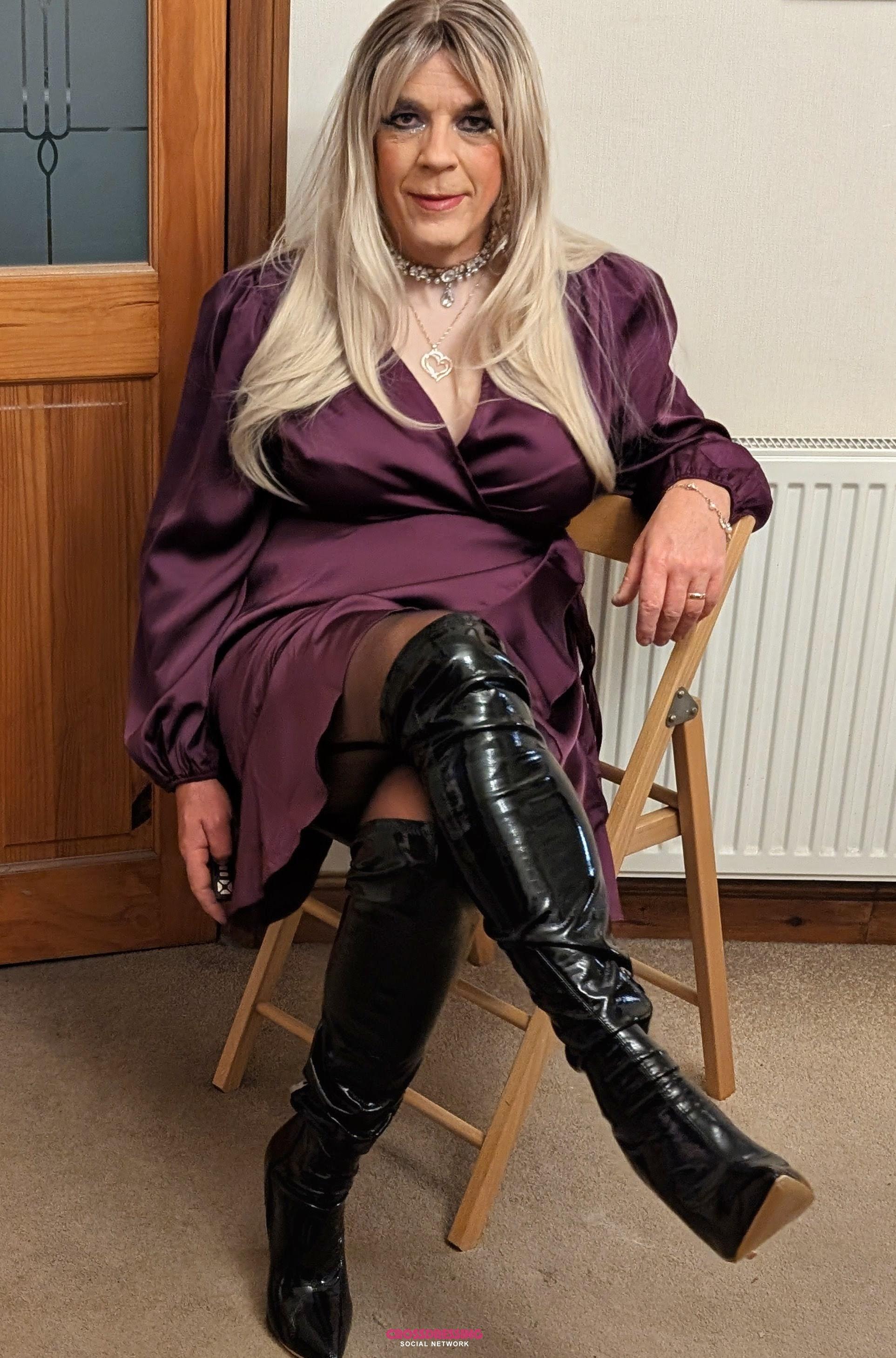
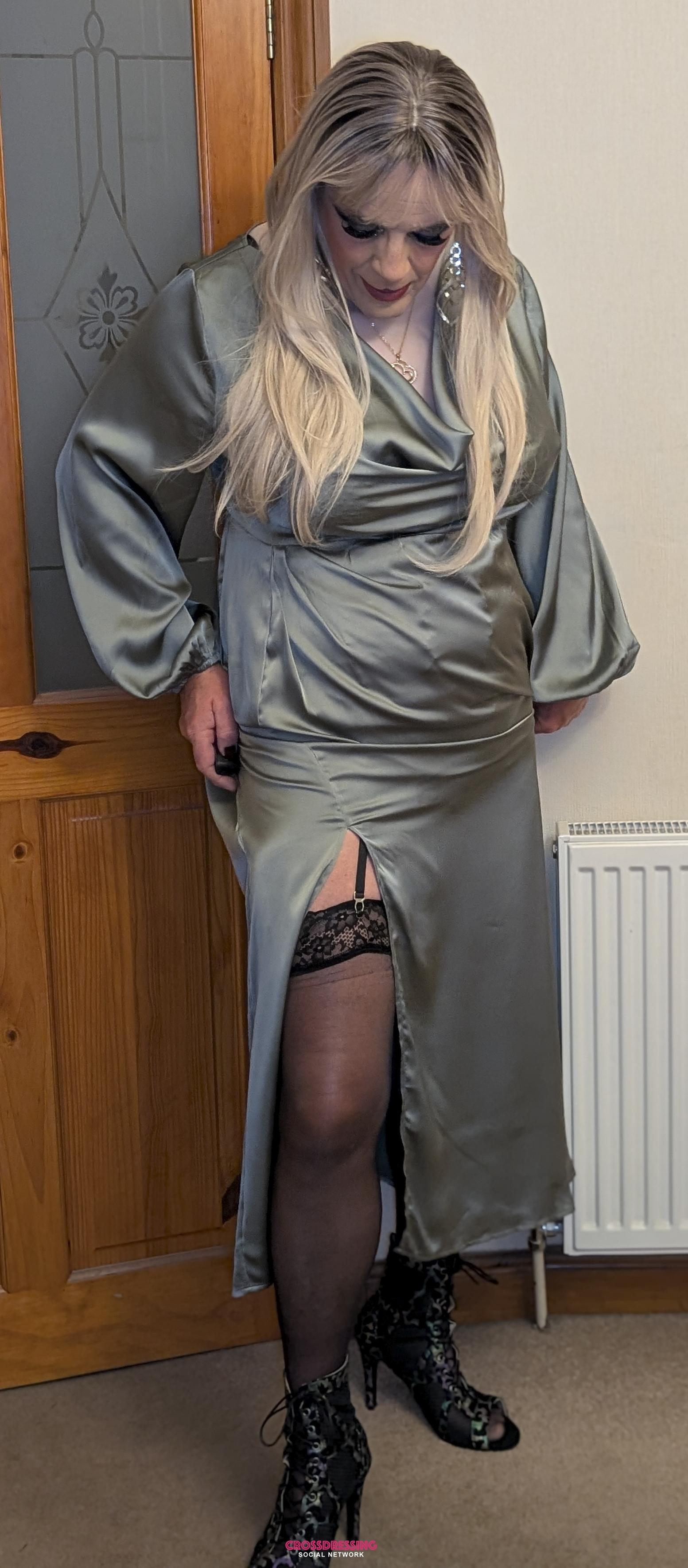
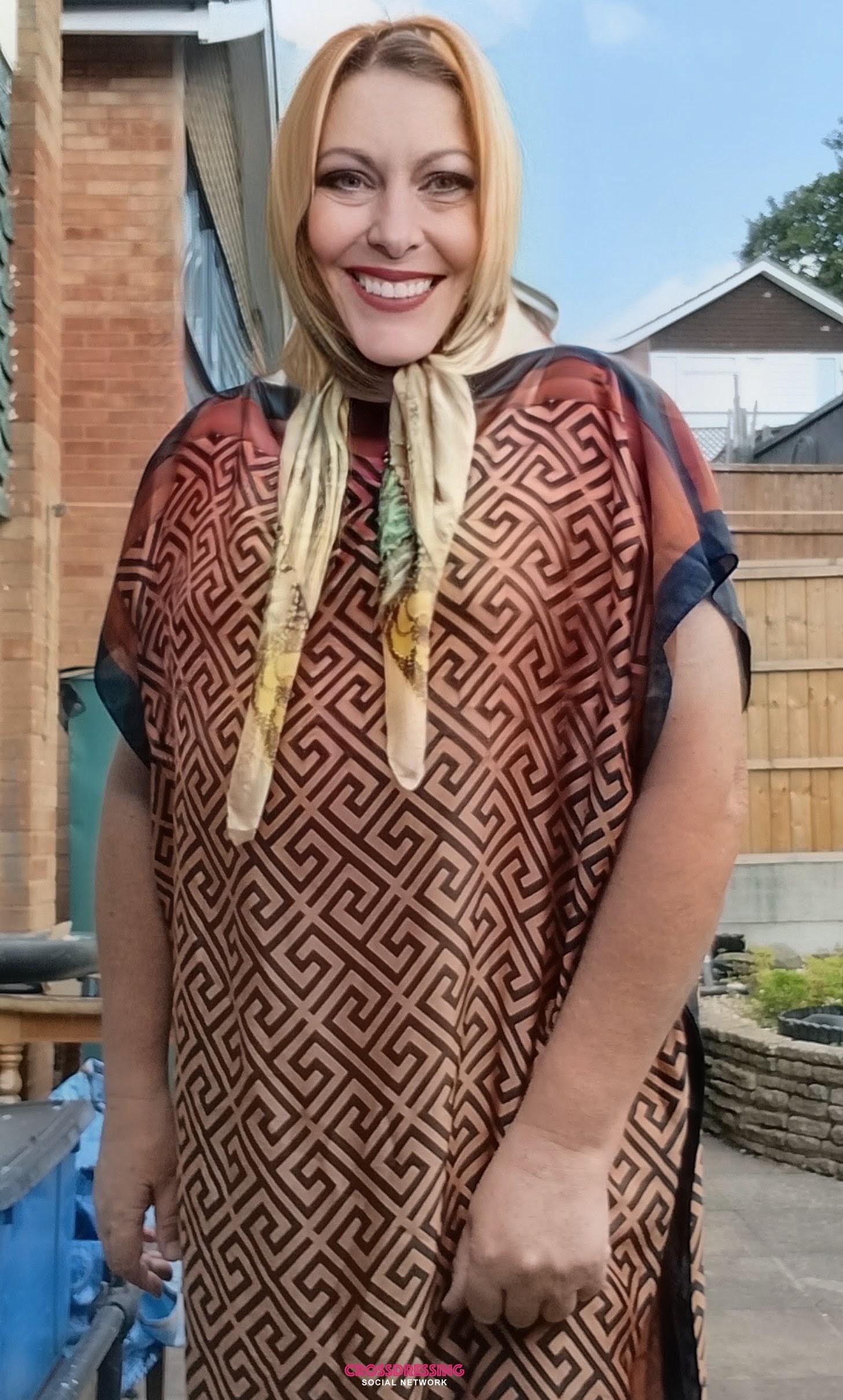
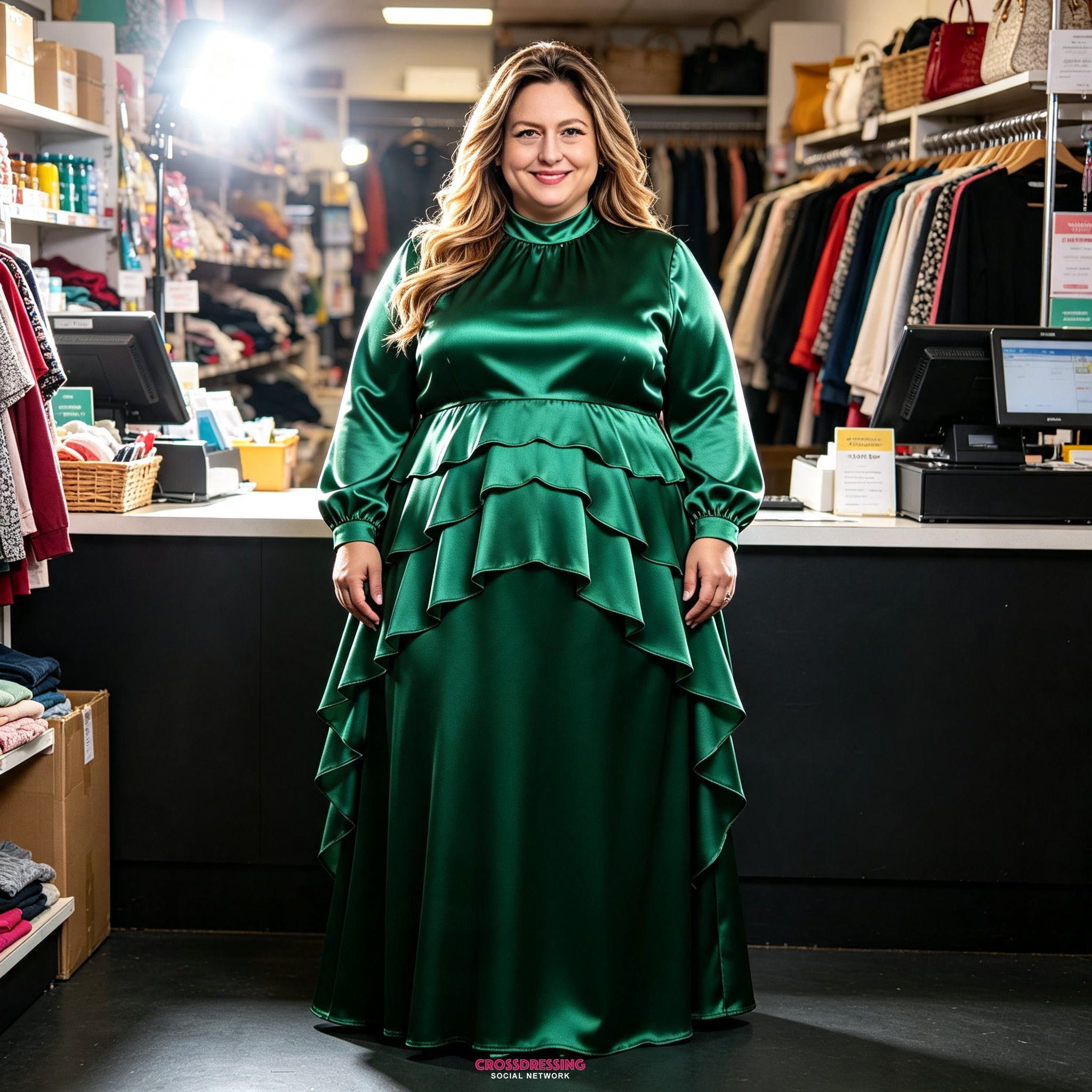
• Early Pic of me, satin blouse and cami
    Early Pic of me, satin blouse and cami
    Love
    2
    1 Комментарии 0 Поделились 611 Просмотры
  • Delicate silky shiny floral satin, navy blue and purple floral satin long nightdress, muu-muu, bubu style.
    Delicate silky shiny floral satin, navy blue and purple floral satin long nightdress, muu-muu, bubu style.
    Love
    Like
    3
    0 Комментарии 0 Поделились 853 Просмотры
  • Delicate silky shiny floral satin, teal blue floral satin long nightdress, muu-muu, bubu style.
    Delicate silky shiny floral satin, teal blue floral satin long nightdress, muu-muu, bubu style.
    Love
    Like
    3
    0 Комментарии 0 Поделились 836 Просмотры
  • good morning all how are you today. next Easter weekend im going to painting my bedroom and get some youtube stuff if i have money left i get some new long satin Gloves :)
    good morning all how are you today. next Easter weekend im going to painting my bedroom and get some youtube stuff if i have money left i get some new long satin Gloves :)
    Love
    3
    2 Комментарии 0 Поделились 2Кб Просмотры
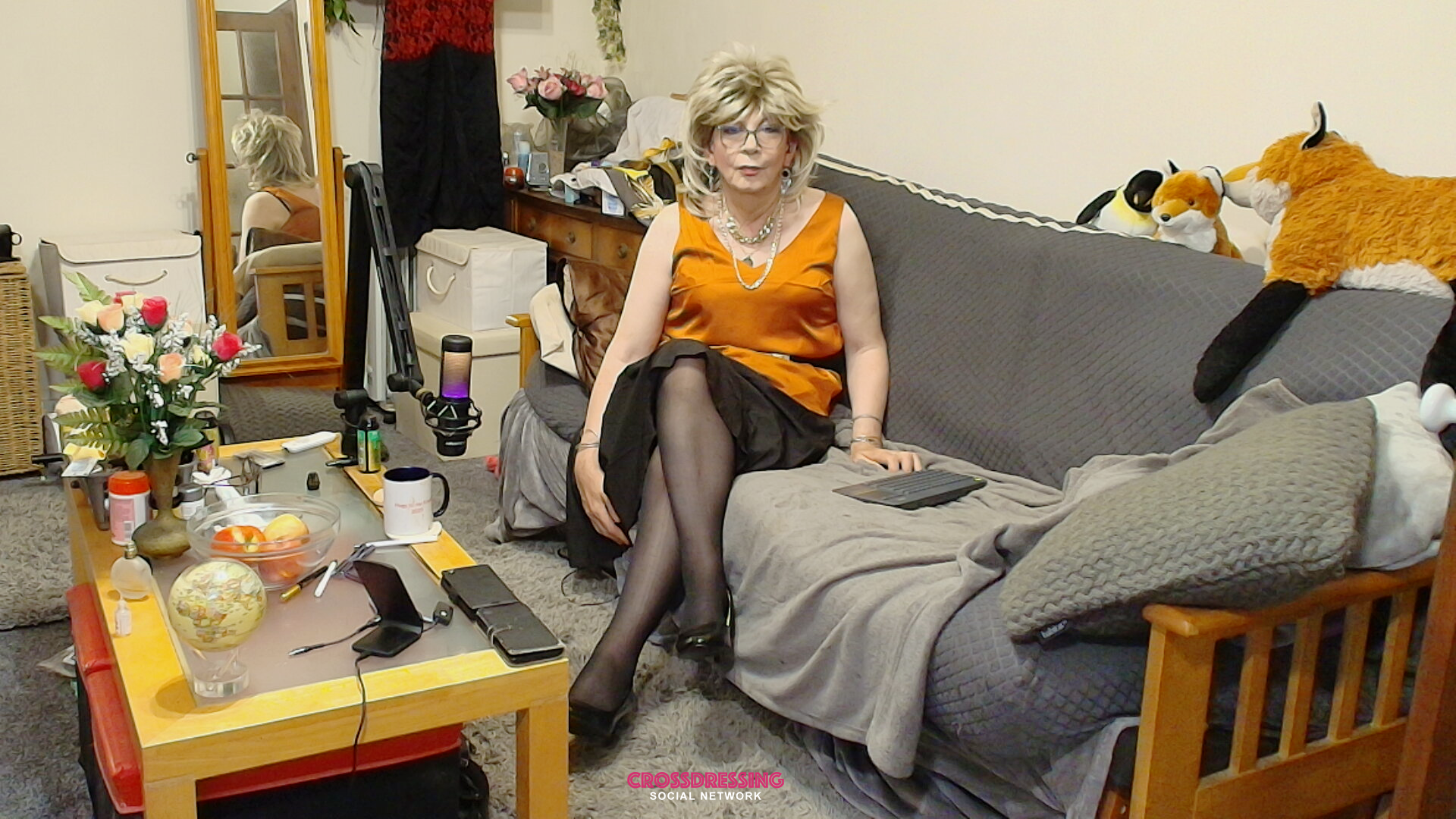
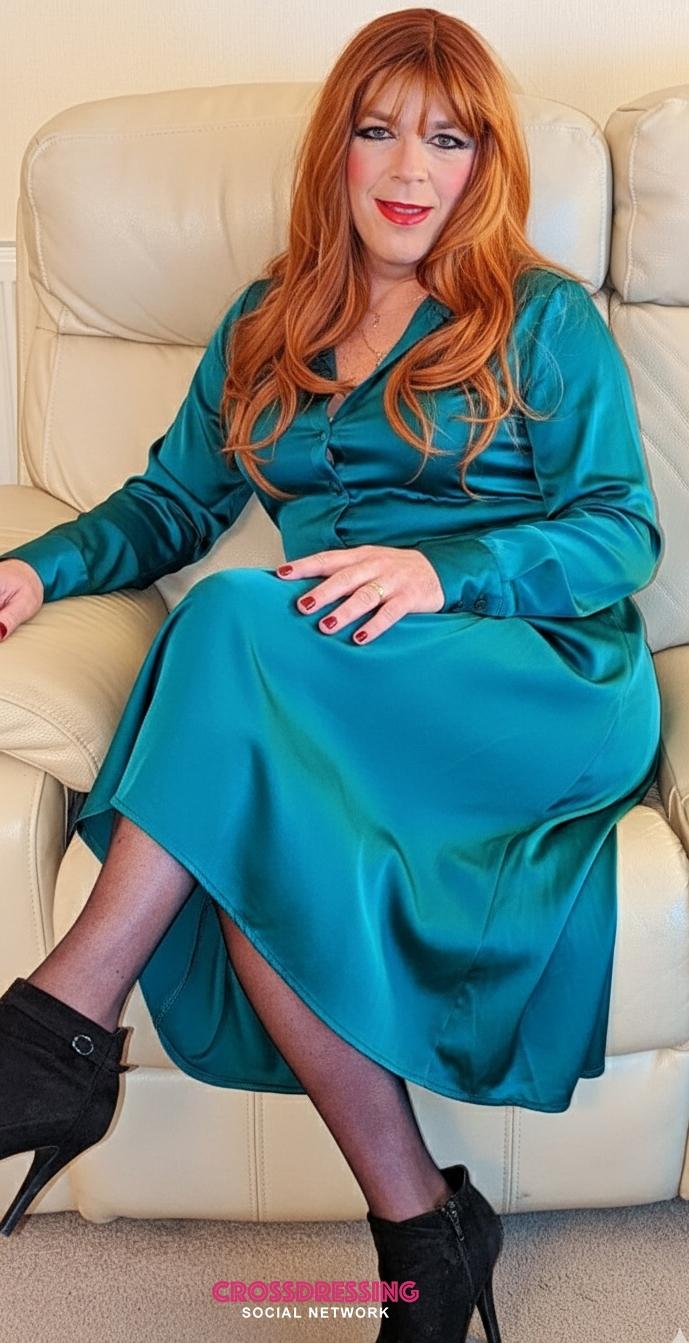
  • Orange Crossdresser Sissy Sat in Satin Sitting Pretty
    Orange Crossdresser Sissy Sat in Satin Sitting Pretty
    Like
    Love
    4
    0 Комментарии 0 Поделились 2Кб Просмотры
  • Good Morning.....!
    #BlackSatinBlouse
    Good Morning.....! #BlackSatinBlouse
    Love
    3
    0 Комментарии 0 Поделились 1Кб Просмотры
  • Melanie goes AI in her sumptuous yellow satin blouse and office attire!
    Melanie goes AI in her sumptuous yellow satin blouse and office attire!
    0 Комментарии 0 Поделились 2Кб Просмотры 7
  • One of the best Crossdress wearing long satin Gloves
    Come Support some love
    https://www.facebook.com/share/1C18Hjfn9f/
    One of the best Crossdress wearing long satin Gloves Come Support some love https://www.facebook.com/share/1C18Hjfn9f/
    Love
    Yay
    5
    0 Комментарии 0 Поделились 2Кб Просмотры
  • Good morning my lovelies, it's Satin Saturday
    Good morning my lovelies, it's Satin Saturday
    Love
    Like
    Yay
    4
    1 Комментарии 0 Поделились 1Кб Просмотры
  • I am loving the new ChatGPT prompt : Put the outfit from Image 1 onto the person in Image 2. Keep Image 2’s face, body, pose, angle, smile, facial features, and hairstyle 100% identical, with no AI facial changes. The outfit must exactly match Image 1 in colour, glow, and shimmer. Scene: an indoor mansion balcony with black ornamental railing. I am holding the railing. Use flash photography lighting. Show a full-body portrait. Very natural, realistic, and high quality. Using (AOMEI White Casual Satin Dresses for Women Autumn Lace Patchwork Half Sleeve Cozy Modest Elegant African Female Office Work New) and my own headshot.
    I am loving the new ChatGPT prompt : Put the outfit from Image 1 onto the person in Image 2. Keep Image 2’s face, body, pose, angle, smile, facial features, and hairstyle 100% identical, with no AI facial changes. The outfit must exactly match Image 1 in colour, glow, and shimmer. Scene: an indoor mansion balcony with black ornamental railing. I am holding the railing. Use flash photography lighting. Show a full-body portrait. Very natural, realistic, and high quality. Using (AOMEI White Casual Satin Dresses for Women Autumn Lace Patchwork Half Sleeve Cozy Modest Elegant African Female Office Work New) and my own headshot.
    Love
    4
    0 Комментарии 0 Поделились 2Кб Просмотры
  • The dawn’s light, pale and meagre, stole through the curtains like an uninvited thought. My fire had long since expired, leaving my chamber in that peculiar half chill which seems neither of death nor life. There, upon the table, lay my mourning attire, folded with the reverence one affords to relics rather than garments.

    The Black Satin Tartan gleamed faintly even in that dimness, threads of shadow crossing one another in solemn geometry. My fingers lingered upon it as one might upon the pages of a sacred book. How deftly I remembered the press of another hand guiding mine, long ago, when love was still unashamed to breathe in daylight.

    “Gökçe,” I murmured, and her name rang through the silence, strange and sweet as the chime of a music box long unopened.

    She had been of fragile constitution but radiant humour, a nurse by occupation, yet a poet in spirit. When first we met, it was under the discreet roof of a friend who hosted assemblies for kindred souls ill fitted to the rigid forms of the age. There, amid whispered laughter and the scent of spiced punch, she first beheld me crossdressed as myself, not the half version polite society demanded. Her smile, so unafraid, so brilliantly defiant had unstitched my fears as though they were loose threads upon a cuff.

    Our meetings became the secret rhythm of our lives: letters written in unseen ink, evenings stolen beneath the mist‑wreathed arches of the Cathedral close, where even the saints carved upon the walls seemed complicit in our forbidden contentment.

    Then came the pandemic fever. The city coughed and trembled beneath its pall, and Gökçe torn from me within a week was laid among the cold stones of St. Chad’s yard. In her final moments, as I sat cloaked at her bedside, she had whispered through cracked lips, “Promise me you will not hide yourself from the world in mourning. Wear beauty for both of us.”

    Yet how could I do so? Beauty, to the bereaved, becomes a cutting blade.

    Thus it was upon this morning, four months hence, that I sought to honour that vow. I made my way through the quiet lanes of the Cathedral City to McRae & Daughters, Purveyors of Mourning and Formal Attire. The shop’s brass bell gave a low, reverent note as I entered.

    Mrs McRae herself appeared, a tall woman of genteel bearing, her hair silvered but her eyes bright as cut glass.

    “Good morrow,” she said softly. “You come for mourning, I think?”

    “For remembrance,” I replied. “Not of death, but of what death could not take.”

    She inclined her head, understanding blooming behind that merchant’s polish which age cannot quite conceal. From the cupboard behind her she drew forth two treasures: a Black Tartan Satin headscarf, its sheen as moonlight upon coal, and a sheer chiffon voile veil, so fine that breath seemed likely to scatter it.

    “Exquisite work,” she murmured, laying them before me.

    “I require them for a pilgrimage,” I told her. “To the resting place of one whose heart yet governs mine.”

    Her lips did not move, but a flicker of softness crossed her expression, a compassion seasoned by decades of watching others purchase attire for grief.

    When I placed the scarf upon my head, its coolness brushed my temples like benediction. The veil descended over my eyes, dimming the world into softened outlines. For a moment, I believed I glimpsed Gökçe reflected behind me in the mirror, a faint silhouette, smiling through the satin haze.

    Outside, the bells of noon tolled low and heavy across the square. I crossed the flagstones toward the Cathedral, that great monument of patient sorrow, its stones blackened by both rain and memory. The wind played with my attire, lifting the edges of my veil in gentle mockery, as if inviting me to dance once more through the shadows of our secret youth.

    At the gates of the graveyard, I paused. A gypsy lady selling flowers approached shyly, clutching a handful of violets.

    “For your lost love?” she asked, her accent plain as clay.

    “For my beloved,” I said, and pressed a coin into her palm.

    At the grave, a modest stone softened by the dew, I knelt. The fabric of my skirts rippled like dark water about me.

    “Gökçe,” I whispered, “I have done as you bade me. I wear what beauty remains, though the joy of it burns like frost upon my breast.”

    The wind answered in a voice not unlike laughter. The veil brushed against my lips once more, fluttering as though stirred by a sigh too gentle for this world.

    When I rose, I did not feel the weight of sorrow so keenly as before. It seemed to me that in the gleam of the tartan, in the satin’s melodic rustle, something of our love still lived, a pulse across the gulf of years.

    Watching from a distance, the gypsy lady would say later that she thought she saw two figures leaving the yard that day: one in mourning black, the other in pale reflection, hand‑in‑hand beneath the shrouded sun. Perhaps she was right.
    The dawn’s light, pale and meagre, stole through the curtains like an uninvited thought. My fire had long since expired, leaving my chamber in that peculiar half chill which seems neither of death nor life. There, upon the table, lay my mourning attire, folded with the reverence one affords to relics rather than garments. The Black Satin Tartan gleamed faintly even in that dimness, threads of shadow crossing one another in solemn geometry. My fingers lingered upon it as one might upon the pages of a sacred book. How deftly I remembered the press of another hand guiding mine, long ago, when love was still unashamed to breathe in daylight. “Gökçe,” I murmured, and her name rang through the silence, strange and sweet as the chime of a music box long unopened. She had been of fragile constitution but radiant humour, a nurse by occupation, yet a poet in spirit. When first we met, it was under the discreet roof of a friend who hosted assemblies for kindred souls ill fitted to the rigid forms of the age. There, amid whispered laughter and the scent of spiced punch, she first beheld me crossdressed as myself, not the half version polite society demanded. Her smile, so unafraid, so brilliantly defiant had unstitched my fears as though they were loose threads upon a cuff. Our meetings became the secret rhythm of our lives: letters written in unseen ink, evenings stolen beneath the mist‑wreathed arches of the Cathedral close, where even the saints carved upon the walls seemed complicit in our forbidden contentment. Then came the pandemic fever. The city coughed and trembled beneath its pall, and Gökçe torn from me within a week was laid among the cold stones of St. Chad’s yard. In her final moments, as I sat cloaked at her bedside, she had whispered through cracked lips, “Promise me you will not hide yourself from the world in mourning. Wear beauty for both of us.” Yet how could I do so? Beauty, to the bereaved, becomes a cutting blade. Thus it was upon this morning, four months hence, that I sought to honour that vow. I made my way through the quiet lanes of the Cathedral City to McRae & Daughters, Purveyors of Mourning and Formal Attire. The shop’s brass bell gave a low, reverent note as I entered. Mrs McRae herself appeared, a tall woman of genteel bearing, her hair silvered but her eyes bright as cut glass. “Good morrow,” she said softly. “You come for mourning, I think?” “For remembrance,” I replied. “Not of death, but of what death could not take.” She inclined her head, understanding blooming behind that merchant’s polish which age cannot quite conceal. From the cupboard behind her she drew forth two treasures: a Black Tartan Satin headscarf, its sheen as moonlight upon coal, and a sheer chiffon voile veil, so fine that breath seemed likely to scatter it. “Exquisite work,” she murmured, laying them before me. “I require them for a pilgrimage,” I told her. “To the resting place of one whose heart yet governs mine.” Her lips did not move, but a flicker of softness crossed her expression, a compassion seasoned by decades of watching others purchase attire for grief. When I placed the scarf upon my head, its coolness brushed my temples like benediction. The veil descended over my eyes, dimming the world into softened outlines. For a moment, I believed I glimpsed Gökçe reflected behind me in the mirror, a faint silhouette, smiling through the satin haze. Outside, the bells of noon tolled low and heavy across the square. I crossed the flagstones toward the Cathedral, that great monument of patient sorrow, its stones blackened by both rain and memory. The wind played with my attire, lifting the edges of my veil in gentle mockery, as if inviting me to dance once more through the shadows of our secret youth. At the gates of the graveyard, I paused. A gypsy lady selling flowers approached shyly, clutching a handful of violets. “For your lost love?” she asked, her accent plain as clay. “For my beloved,” I said, and pressed a coin into her palm. At the grave, a modest stone softened by the dew, I knelt. The fabric of my skirts rippled like dark water about me. “Gökçe,” I whispered, “I have done as you bade me. I wear what beauty remains, though the joy of it burns like frost upon my breast.” The wind answered in a voice not unlike laughter. The veil brushed against my lips once more, fluttering as though stirred by a sigh too gentle for this world. When I rose, I did not feel the weight of sorrow so keenly as before. It seemed to me that in the gleam of the tartan, in the satin’s melodic rustle, something of our love still lived, a pulse across the gulf of years. Watching from a distance, the gypsy lady would say later that she thought she saw two figures leaving the yard that day: one in mourning black, the other in pale reflection, hand‑in‑hand beneath the shrouded sun. Perhaps she was right.
    Love
    1
    0 Комментарии 0 Поделились 5Кб Просмотры
  • Who love a bit of ASMR Long satin Gloves videos on YouTube
    Who love a bit of ASMR Long satin Gloves videos on YouTube
    5
    1
    1
    Love
    1
    2 Комментарии 0 Поделились 2Кб Просмотры
  • Just been redecorating my Bedroom im taking the month off Crossdress . soon get new long satin Gloves dresses and skirt and some youtube stuff. i a new Samsung galaxy s26 ultra all good lol
    Just been redecorating my Bedroom im taking the month off Crossdress . soon get new long satin Gloves dresses and skirt and some youtube stuff. i a new Samsung galaxy s26 ultra all good 👍 😋 👌 lol 😆
    Love
    2
    0 Комментарии 0 Поделились 3Кб Просмотры
  • In the dim, tea coloured morning that passes for daylight in mid March, there sat not quite a man, and certainly not yet anything else entirely a person of careful middle years before an antique dressing table that had once belonged to his wife. The table itself had the air of something that knew far more than it was ever going to tell, its mirror clouded with the gentle patina of decades spent reflecting other people's private negotiations with gravity and grief.
    Across his lap lay a black satin headscarf, arranged with the solemnity one might accord a papal bull or a very good slice of funeral cake. It spilled over his knees like ink that had decided, upon second thoughts, not to dry. Tucked inside its generous folds was the ghost of lavender, that most patient and reproachful of scents, the sort that waits years to remind you of drawers you have not opened often enough.
    From the wardrobe door depended the veil layers of sheer black chiffon so fragile they appeared to be made of regrets that had been ironed flat. It trembled whenever the wind, that notorious sneak-thief of March, found the loose sash and slipped inside to have a look round. Outside, the town lay under a sky the precise colour of yesterday's dishwater, quietly convinced that nothing interesting was ever going to happen again.
    He or possibly she, depending on which angle the light chose to take ran a lace gloved finger along the jet beading that marched across the bodice like a procession of tiny, well behaved mourners. The beads were cold at first, as beads will be when left to their own devices, but they warmed almost at once, as though the heat of long ago skin had been stored in them the way a teapot remembers tea.
    Why this? The question rose inside him with the regularity of a heartbeat and about as much chance of being answered.
    It was not, he reflected, merely crossdressing that brisk, modern word with its clipboard and its forms to fill in. No, this was something older, something chosen with the same deliberate care one might use when selecting the right sort of gravestone. To put on these heavy black satins was to grieve properly, not merely for the wife who had gone ahead into whatever lay beyond the last curtain call, but for the self that had spent decades locked in the attic of his own ribcage, tapping politely and being ignored.
    Memory flickered like lantern slides: his grandmother's photograph album, those stern Victorian and Edwardian women staring out from behind veils and crepe as though sorrow were a particularly fetching hat. He had lingered over those pictures longer than any boy with a respectable future was supposed to, feeling something nameless turn over in his chest like a sleeper disturbed by moonlight.
    Later much later, during the long, comfortable decades with his wife the secret had grown in perfect silence. Lengths of satin acquired at antique fairs with the furtive excitement of a man buying rare first editions; a chiffon veil ordered at three in the morning from a seller who asked no questions and probably knew all the answers anyway. His wife had never known. Or possibly she had known perfectly well and elected, with the generosity of those who love deeply and sensibly, to let the matter lie undisturbed.
    She would smile when he returned with yet another silk scarf, tease him gently about his "fancy tastes," and he would laugh along, the laughter both balm and small, exquisite knife. Had he stolen something from her by never speaking the truth aloud? Or had the silence been kinder the careful preservation of Sunday dinners, hill walks above the fields, the kettle's comfortable whistle while the afternoon play murmured from the wireless?
    The clothes themselves seemed to have an opinion on the matter.
    The satin was cool against his skin when first it touched him, cool and slightly disapproving, like a maiden aunt meeting a disreputable nephew. Then it softened, warmed, accepted. It wrapped itself around the shape he had always carried inside the shape that had never quite fitted the available tailoring of masculinity, no matter how many times the measurements were taken.
    When he wore it, properly, completely, he became not a man dressed as a widow, but simply the grieving widow he had, in some quiet corner of chronology, always been meant to be. The mirror regarded him without surprise. Mirrors, after all, have seen far stranger things than this between breakfast and bedtime.
    In the dim, tea coloured morning that passes for daylight in mid March, there sat not quite a man, and certainly not yet anything else entirely a person of careful middle years before an antique dressing table that had once belonged to his wife. The table itself had the air of something that knew far more than it was ever going to tell, its mirror clouded with the gentle patina of decades spent reflecting other people's private negotiations with gravity and grief. Across his lap lay a black satin headscarf, arranged with the solemnity one might accord a papal bull or a very good slice of funeral cake. It spilled over his knees like ink that had decided, upon second thoughts, not to dry. Tucked inside its generous folds was the ghost of lavender, that most patient and reproachful of scents, the sort that waits years to remind you of drawers you have not opened often enough. From the wardrobe door depended the veil layers of sheer black chiffon so fragile they appeared to be made of regrets that had been ironed flat. It trembled whenever the wind, that notorious sneak-thief of March, found the loose sash and slipped inside to have a look round. Outside, the town lay under a sky the precise colour of yesterday's dishwater, quietly convinced that nothing interesting was ever going to happen again. He or possibly she, depending on which angle the light chose to take ran a lace gloved finger along the jet beading that marched across the bodice like a procession of tiny, well behaved mourners. The beads were cold at first, as beads will be when left to their own devices, but they warmed almost at once, as though the heat of long ago skin had been stored in them the way a teapot remembers tea. Why this? The question rose inside him with the regularity of a heartbeat and about as much chance of being answered. It was not, he reflected, merely crossdressing that brisk, modern word with its clipboard and its forms to fill in. No, this was something older, something chosen with the same deliberate care one might use when selecting the right sort of gravestone. To put on these heavy black satins was to grieve properly, not merely for the wife who had gone ahead into whatever lay beyond the last curtain call, but for the self that had spent decades locked in the attic of his own ribcage, tapping politely and being ignored. Memory flickered like lantern slides: his grandmother's photograph album, those stern Victorian and Edwardian women staring out from behind veils and crepe as though sorrow were a particularly fetching hat. He had lingered over those pictures longer than any boy with a respectable future was supposed to, feeling something nameless turn over in his chest like a sleeper disturbed by moonlight. Later much later, during the long, comfortable decades with his wife the secret had grown in perfect silence. Lengths of satin acquired at antique fairs with the furtive excitement of a man buying rare first editions; a chiffon veil ordered at three in the morning from a seller who asked no questions and probably knew all the answers anyway. His wife had never known. Or possibly she had known perfectly well and elected, with the generosity of those who love deeply and sensibly, to let the matter lie undisturbed. She would smile when he returned with yet another silk scarf, tease him gently about his "fancy tastes," and he would laugh along, the laughter both balm and small, exquisite knife. Had he stolen something from her by never speaking the truth aloud? Or had the silence been kinder the careful preservation of Sunday dinners, hill walks above the fields, the kettle's comfortable whistle while the afternoon play murmured from the wireless? The clothes themselves seemed to have an opinion on the matter. The satin was cool against his skin when first it touched him, cool and slightly disapproving, like a maiden aunt meeting a disreputable nephew. Then it softened, warmed, accepted. It wrapped itself around the shape he had always carried inside the shape that had never quite fitted the available tailoring of masculinity, no matter how many times the measurements were taken. When he wore it, properly, completely, he became not a man dressed as a widow, but simply the grieving widow he had, in some quiet corner of chronology, always been meant to be. The mirror regarded him without surprise. Mirrors, after all, have seen far stranger things than this between breakfast and bedtime.
    Like
    1
    0 Комментарии 0 Поделились 5Кб Просмотры
  • All locked up and covered in pink satin mmmmmm
    All locked up and covered in pink satin 💗 mmmmmm
    Love
    Like
    7
    2 Комментарии 0 Поделились 2Кб Просмотры
  • Back to Grey 🩶 Skies and Rain again this morning, it's a two HeadScarf Day. Chiffon and Satin loving the soft silkiness.
    Back to Grey 🩶 Skies and Rain 🌧️ again this morning, it's a two HeadScarf Day. Chiffon and Satin 🟤 loving the soft silkiness.
    Love
    3
    1 Комментарии 0 Поделились 2Кб Просмотры
  • since i finally got the opportunity to shave my legs, i thought they deserve the best there is. Wolford Satin Touch 20

    words cannot even describe how soft and comfortable they feel.
    since i finally got the opportunity to shave my legs, i thought they deserve the best there is. Wolford Satin Touch 20 words cannot even describe how soft and comfortable they feel. 🥰
    Love
    Like
    14
    1 Комментарии 0 Поделились 2Кб Просмотры
  • Melanie in her #PurpleSatinBlouse
    Melanie in her #PurpleSatinBlouse
    Love
    Like
    Yay
    Wow
    8
    0 Комментарии 0 Поделились 2Кб Просмотры
  • Rain had only just stopped when I stepped into it, the bricks to my left sweating out the day’s cold like they were ashamed of it. Red light bled down the wall from some unseen sign, staining the mortar like an old wound. The ground was slick, puddles trembling at the slightest whisper of wind, turning every flicker of neon into a broken mirror.
    And there I was wrapped in black satin.
    People imagine cloaks like this are heavy wool or ancient velvet, something dragged from a crypt or stitched by candlelight. Mine isn’t. It’s polyester with a satin silk touch finish. It gleams like midnight oil. It flows like water. It clings when the air grows damp. Practical, really. Fantasy aesthetics, modern materials.
    Still, when it moves, it sounds like secrets.
    The hood sits low over my face, not because I’m hiding, but because it feels right. The fabric drapes from my shoulders in deliberate folds, catching the dim light and holding it for a heartbeat before letting it slip away. The hem trails behind me, drinking from the wet pavement. Each step pulls a faint whisper from the ground, a soft shhh as though the alley itself is urging me onward.
    I pause midway down.
    There’s a particular stillness in places like this an out of season quiet, the kind that makes even distant traffic sound like it’s happening in another life. My reflection shivers in a puddle at my feet. The cloak makes me look taller there. Broader. Almost mythic.
    That’s the trick of it, really.
    You put on something like this and the world rearranges itself around you. The bricks become castle walls. The fire escape above turns into a wrought-iron battlement. The neon haze thickens into enchanted fog. And the ordinary act of walking home from a late shift becomes a pilgrimage through shadow.
    But here’s the truth: I wear it because I like how it feels.
    The satin lining is cool against my skin at first, then slowly warms, molding to me. The weight isn’t oppressive it’s reassuring. Like being wrapped in night itself. The gloves at my hands shine when I flex my fingers, catching the blue glow from the streetlight at the far end of the alley.
    I hear footsteps behind me.
    Not close. Not threatening. Just distant enough to remind me that I am not the only story moving through this city. I don’t turn around. The cloak does that work for me, rippling slightly as I shift my stance, letting whoever it is see only a silhouette.
    Let them wonder.
    There’s power in ambiguity. In becoming a shape rather than a person. In letting the wet pavement carry your reflection farther than your shadow.
    A gust of wind slips down the alley and catches the cloak’s edge. For a moment, it billows out behind me like a dark sail. The fabric flashes with a slick, liquid sheen, then settles again, obedient and heavy.
    I step forward.
    The puddles part around my boots. The bricks watch without comment. The neon hum continues its low, electric chant.
    I am not a sorcerer. Not a vigilante. Not a figure from some ancient order.
    But in this alley, under this light, wrapped in satin black that drinks the world and gives nothing back, I am something close enough.
    And sometimes, close enough is all you need.
    Rain had only just stopped when I stepped into it, the bricks to my left sweating out the day’s cold like they were ashamed of it. Red light bled down the wall from some unseen sign, staining the mortar like an old wound. The ground was slick, puddles trembling at the slightest whisper of wind, turning every flicker of neon into a broken mirror. And there I was wrapped in black satin. People imagine cloaks like this are heavy wool or ancient velvet, something dragged from a crypt or stitched by candlelight. Mine isn’t. It’s polyester with a satin silk touch finish. It gleams like midnight oil. It flows like water. It clings when the air grows damp. Practical, really. Fantasy aesthetics, modern materials. Still, when it moves, it sounds like secrets. The hood sits low over my face, not because I’m hiding, but because it feels right. The fabric drapes from my shoulders in deliberate folds, catching the dim light and holding it for a heartbeat before letting it slip away. The hem trails behind me, drinking from the wet pavement. Each step pulls a faint whisper from the ground, a soft shhh as though the alley itself is urging me onward. I pause midway down. There’s a particular stillness in places like this an out of season quiet, the kind that makes even distant traffic sound like it’s happening in another life. My reflection shivers in a puddle at my feet. The cloak makes me look taller there. Broader. Almost mythic. That’s the trick of it, really. You put on something like this and the world rearranges itself around you. The bricks become castle walls. The fire escape above turns into a wrought-iron battlement. The neon haze thickens into enchanted fog. And the ordinary act of walking home from a late shift becomes a pilgrimage through shadow. But here’s the truth: I wear it because I like how it feels. The satin lining is cool against my skin at first, then slowly warms, molding to me. The weight isn’t oppressive it’s reassuring. Like being wrapped in night itself. The gloves at my hands shine when I flex my fingers, catching the blue glow from the streetlight at the far end of the alley. I hear footsteps behind me. Not close. Not threatening. Just distant enough to remind me that I am not the only story moving through this city. I don’t turn around. The cloak does that work for me, rippling slightly as I shift my stance, letting whoever it is see only a silhouette. Let them wonder. There’s power in ambiguity. In becoming a shape rather than a person. In letting the wet pavement carry your reflection farther than your shadow. A gust of wind slips down the alley and catches the cloak’s edge. For a moment, it billows out behind me like a dark sail. The fabric flashes with a slick, liquid sheen, then settles again, obedient and heavy. I step forward. The puddles part around my boots. The bricks watch without comment. The neon hum continues its low, electric chant. I am not a sorcerer. Not a vigilante. Not a figure from some ancient order. But in this alley, under this light, wrapped in satin black that drinks the world and gives nothing back, I am something close enough. And sometimes, close enough is all you need.
    Love
    2
    0 Комментарии 0 Поделились 7Кб Просмотры
  • trying on my old Faithful satin mini, and testing the New V Suspender straps
    trying on my old Faithful satin mini, and testing the New V Suspender straps
    Love
    12
    3 Комментарии 0 Поделились 2Кб Просмотры
  • blue satin dress, todays Try On
    blue satin dress, todays Try On
    Love
    Like
    Yay
    17
    1 Комментарии 0 Поделились 2Кб Просмотры
  • I still remember the first time fabric dared me to see myself anew. The polyester floral maxi gaudy, inexpensive, snatched from a shadowed market stall beneath buzzing orange lamps. Petals in violent pink and electric lime sprawled across it like spilled paint. I wore it home half expecting regret. Instead, when the synthetic sheen slid over skin, it moved with a borrowed audacity, whispering against thighs, insisting I stand taller in the fractured mirror. For once I lingered. The dress refused apology; it demanded witness.
    Then the voile mesh wrap arrived, smoke pale and gossamer thin. I layered it timidly over black at first, arms folded like armour. But light caught the weave and traced the quiet architecture of collarbone and shoulder revealing rather than concealing. Veiling, it taught, is not burial; it is emphasis. Each shimmer became a period at the end of a sentence I had never finished speaking: I am here.
    Winter brought the satin cardigan, blush rose and impossibly smooth, buttons small as moon droplets. I thought softness would diminish me. Instead it armoured me in quiet. During boardroom silences, late night doubts, the satin rested against wrists like a steady hand saying: power can arrive without sound, without edge simply by refusing to harden.
    The silken kimono midnight deep, silver veins threading through named me bold outright. Sleeves swept like banners as I crossed a rooftop threshold into city light. Heads turned, not in judgment, but in recognition of someone who had stopped asking permission to fill space. The fabric did not negotiate; it declared.
    Later the taffeta mermaid gown caressed with emerald discipline, gold shot and unyielding from hip to ankle. Every step became a measured ceremony spine aligned, breath shallow and deliberate. Restriction, it showed me, is not caged but choreography; I learned to dance inside the silhouette of my own resolve until the lines felt like wings.
    Chiffon followed in pale fog layers, turning breakfast into sacrament, the turn of a key into procession. Ordinary hours gained cadence, became worth the slow unfurling of cloth.
    And at last the chiffon voile ruffled square neck gown ivory blushed with first light, ruffles spilling like laughter caught mid fall. Wearing it felt like coronation, self bestowed. No audience required.
    Now February 27, 2026 I stand alone.
    Rain sheets the asphalt black and glossy. Neon bleeds upward in acid pinks, cyan, violent violet; holographic serpents twist through mist twenty stories overhead, advertising dreams no one can afford. Damp wind lifts the black silk hijab edged in silver so it floats behind me like a separate wing. Beneath, the ruffled gown moves in slow, liquid obedience to each breath, pale chiffon catching stray photons and scattering them soft against wet pavement.
    Reflections fracture at my feet: fractured dragons, shattered company logos, my own silhouette stretched long and thin. Mist coils low, veiling the distance so the city feels both infinite and intimately close.
    I do not shrink from the gaze of unseeing windows. I do not apologise to the indifferent hum of drones overhead. The gown breathes with me. The hijab lifts, settles, lifts again like a pulse the city has forgotten it still has. Here, rain-slicked and haloed in synthetic light, every garment I have ever worn has converged into this moment: a ceremony of one, where solitude is no longer absence but the quietest, most deliberate form of presence. I tilt my face to the falling water and let the neon baptise me in colours I once feared were too bright to claim.
    I still remember the first time fabric dared me to see myself anew. The polyester floral maxi gaudy, inexpensive, snatched from a shadowed market stall beneath buzzing orange lamps. Petals in violent pink and electric lime sprawled across it like spilled paint. I wore it home half expecting regret. Instead, when the synthetic sheen slid over skin, it moved with a borrowed audacity, whispering against thighs, insisting I stand taller in the fractured mirror. For once I lingered. The dress refused apology; it demanded witness. Then the voile mesh wrap arrived, smoke pale and gossamer thin. I layered it timidly over black at first, arms folded like armour. But light caught the weave and traced the quiet architecture of collarbone and shoulder revealing rather than concealing. Veiling, it taught, is not burial; it is emphasis. Each shimmer became a period at the end of a sentence I had never finished speaking: I am here. Winter brought the satin cardigan, blush rose and impossibly smooth, buttons small as moon droplets. I thought softness would diminish me. Instead it armoured me in quiet. During boardroom silences, late night doubts, the satin rested against wrists like a steady hand saying: power can arrive without sound, without edge simply by refusing to harden. The silken kimono midnight deep, silver veins threading through named me bold outright. Sleeves swept like banners as I crossed a rooftop threshold into city light. Heads turned, not in judgment, but in recognition of someone who had stopped asking permission to fill space. The fabric did not negotiate; it declared. Later the taffeta mermaid gown caressed with emerald discipline, gold shot and unyielding from hip to ankle. Every step became a measured ceremony spine aligned, breath shallow and deliberate. Restriction, it showed me, is not caged but choreography; I learned to dance inside the silhouette of my own resolve until the lines felt like wings. Chiffon followed in pale fog layers, turning breakfast into sacrament, the turn of a key into procession. Ordinary hours gained cadence, became worth the slow unfurling of cloth. And at last the chiffon voile ruffled square neck gown ivory blushed with first light, ruffles spilling like laughter caught mid fall. Wearing it felt like coronation, self bestowed. No audience required. Now February 27, 2026 I stand alone. Rain sheets the asphalt black and glossy. Neon bleeds upward in acid pinks, cyan, violent violet; holographic serpents twist through mist twenty stories overhead, advertising dreams no one can afford. Damp wind lifts the black silk hijab edged in silver so it floats behind me like a separate wing. Beneath, the ruffled gown moves in slow, liquid obedience to each breath, pale chiffon catching stray photons and scattering them soft against wet pavement. Reflections fracture at my feet: fractured dragons, shattered company logos, my own silhouette stretched long and thin. Mist coils low, veiling the distance so the city feels both infinite and intimately close. I do not shrink from the gaze of unseeing windows. I do not apologise to the indifferent hum of drones overhead. The gown breathes with me. The hijab lifts, settles, lifts again like a pulse the city has forgotten it still has. Here, rain-slicked and haloed in synthetic light, every garment I have ever worn has converged into this moment: a ceremony of one, where solitude is no longer absence but the quietest, most deliberate form of presence. I tilt my face to the falling water and let the neon baptise me in colours I once feared were too bright to claim.
    Love
    1
    0 Комментарии 0 Поделились 7Кб Просмотры
  • Melanie the sexy satin-clad schoolgirl from last weekend.......
    Melanie the sexy satin-clad schoolgirl from last weekend.......
    Love
    Like
    Yay
    9
    4 Комментарии 0 Поделились 2Кб Просмотры
  • The rain came down in sheets, the kind that makes you wonder if the sky has finally decided the city's sins need a proper rinse. It hammered the cobbles like an angry landlord demanding back rent, and the neon signs those hopeful lies in electric pink and acid green fizzed and spat reflections that danced across puddles deep enough to drown a man's regrets.
    I stood there under the brim of my hat, which had given up pretending to be waterproof about three streets ago. The turquoise satin trench coat clung to me like an ambitious squid, heavy and glistening, the sort of garment that looks magnificent in the mirror at three in the afternoon and ridiculous at three in the morning when you're soaked to the marrow and smelling faintly of wet ferret. But dignity is a luxury, and mine had pawned itself years back for a bottle of something that promised to forget.
    Beside me stood the Turquoise Queen.
    She didn't so much stand as preside. The satin hijab caught what little light there was and threw it back in shimmering defiance, while the oversized headscarf cascaded into a chiffon voile veil that billowed and swirled in the fog like the ghost of a particularly extravagant wedding dress that had died of embarrassment. Every time she moved even to breathe the fabric whispered secrets to the night air, expensive secrets involving rose attar and old money and perhaps the occasional small assassination. In this monochrome world of stark blacks and murderous whites, she was a scandal in turquoise, a splash of colour that the rain itself seemed too polite to touch.
    I took a drag on the cigarette that had somehow survived the deluge. The smoke curled upward in lazy question marks, as if even it was wondering what the hell we were doing here.
    "You know," I said, because silence is only golden until it starts to rust, "most people come to this northern town looking for opportunity. Or revenge. Or a decent kebab at two in the morning. Very few arrive dressed like the centrepiece of a particularly expensive funeral."
    She tilted her head, and the veil shifted in a slow, liquid motion that suggested physics had been bribed. "And yet here I am, Grimshaw, The Gumshoe. Opportunity found me first. It was wearing a cheap suit and carrying a very sharp knife."
    I grunted. Grunting is cheaper than conversation and usually gets the same results. "Opportunity has a habit of leaving bodies behind. That's why they pay me to follow the stains."
    A passing drunk staggered through a puddle that may or may not have contained tomorrow's headlines. He stared at her veil as though it might contain the meaning of life, then decided it probably didn't and lurched onward toward whatever oblivion still had room for one more customer.
    The fog thickened, turning the streetlamps into soft, accusing halos. Somewhere in the distance a greasy takeaway exploded in a brief symphony of swearing and sizzling fat. Life in the town: always conducting itself with unnecessary drama.
    She lifted one gloved hand turquoise, naturally and pointed toward the mouth of an alley that smelled strongly of yesterday's fish and tomorrow's trouble. "The man we're after went that way. He thinks shadows will hide him."
    "They won't," I said. "Shadows in this town are unionised. They demand overtime for hiding villains after midnight."
    Her laugh was low, like velvet dragged over broken glass. "Then let us give them something to earn their pay, Detective."
    I flicked the cigarette into a puddle where it hissed its last. The Turquoise Queen moved ahead, veil trailing like a comet's tail made of expensive regret. I followed, because that's what you do when the only alternative is standing alone in the rain wondering why the universe bothers.
    Somewhere ahead, a door creaked. A scream started, then thought better of it.
    The night was just getting interesting.
    The rain came down in sheets, the kind that makes you wonder if the sky has finally decided the city's sins need a proper rinse. It hammered the cobbles like an angry landlord demanding back rent, and the neon signs those hopeful lies in electric pink and acid green fizzed and spat reflections that danced across puddles deep enough to drown a man's regrets. I stood there under the brim of my hat, which had given up pretending to be waterproof about three streets ago. The turquoise satin trench coat clung to me like an ambitious squid, heavy and glistening, the sort of garment that looks magnificent in the mirror at three in the afternoon and ridiculous at three in the morning when you're soaked to the marrow and smelling faintly of wet ferret. But dignity is a luxury, and mine had pawned itself years back for a bottle of something that promised to forget. Beside me stood the Turquoise Queen. She didn't so much stand as preside. The satin hijab caught what little light there was and threw it back in shimmering defiance, while the oversized headscarf cascaded into a chiffon voile veil that billowed and swirled in the fog like the ghost of a particularly extravagant wedding dress that had died of embarrassment. Every time she moved even to breathe the fabric whispered secrets to the night air, expensive secrets involving rose attar and old money and perhaps the occasional small assassination. In this monochrome world of stark blacks and murderous whites, she was a scandal in turquoise, a splash of colour that the rain itself seemed too polite to touch. I took a drag on the cigarette that had somehow survived the deluge. The smoke curled upward in lazy question marks, as if even it was wondering what the hell we were doing here. "You know," I said, because silence is only golden until it starts to rust, "most people come to this northern town looking for opportunity. Or revenge. Or a decent kebab at two in the morning. Very few arrive dressed like the centrepiece of a particularly expensive funeral." She tilted her head, and the veil shifted in a slow, liquid motion that suggested physics had been bribed. "And yet here I am, Grimshaw, The Gumshoe. Opportunity found me first. It was wearing a cheap suit and carrying a very sharp knife." I grunted. Grunting is cheaper than conversation and usually gets the same results. "Opportunity has a habit of leaving bodies behind. That's why they pay me to follow the stains." A passing drunk staggered through a puddle that may or may not have contained tomorrow's headlines. He stared at her veil as though it might contain the meaning of life, then decided it probably didn't and lurched onward toward whatever oblivion still had room for one more customer. The fog thickened, turning the streetlamps into soft, accusing halos. Somewhere in the distance a greasy takeaway exploded in a brief symphony of swearing and sizzling fat. Life in the town: always conducting itself with unnecessary drama. She lifted one gloved hand turquoise, naturally and pointed toward the mouth of an alley that smelled strongly of yesterday's fish and tomorrow's trouble. "The man we're after went that way. He thinks shadows will hide him." "They won't," I said. "Shadows in this town are unionised. They demand overtime for hiding villains after midnight." Her laugh was low, like velvet dragged over broken glass. "Then let us give them something to earn their pay, Detective." I flicked the cigarette into a puddle where it hissed its last. The Turquoise Queen moved ahead, veil trailing like a comet's tail made of expensive regret. I followed, because that's what you do when the only alternative is standing alone in the rain wondering why the universe bothers. Somewhere ahead, a door creaked. A scream started, then thought better of it. The night was just getting interesting.
    Love
    1
    0 Комментарии 0 Поделились 5Кб Просмотры
  • A Real Secretary always wears a Satin Blouse
    A Real Secretary always wears a Satin Blouse
    Love
    6
    0 Комментарии 0 Поделились 2Кб Просмотры
  • M & S Satin
    M & S Satin
    Love
    Yay
    Wow
    7
    0 Комментарии 0 Поделились 1Кб Просмотры
  • I live within a sanctuary of reflection, a shimmering Satin Wonderland of towering, gilded mirrors that capture every fold of my existence. I am a creature of history, a mature queen of a certain vintage, and my world is defined by the rustle of fabric. Here, I am swaddled in an endless supply of sissy satin dresses, gowns that trail like silken rivers, and gloves that reach toward my shoulders, smoothing the passage of time.
    "Oh my," I whisper to my reflection, my voice a raspy cello. "Today is the day for the hallowed turf."
    But one does not simply walk onto the pitch at Wembley Stadium to play British football without the proper armor. This is not a match for jerseys and cleats; this is a clash of POMPÖÖS Couture.
    I began my transformation with the foundation of my "entity." First, I stepped into the ivory white modest high neck satin evening dress. It is a plus size masterpiece of elegance, the long balloon sleeves puffing out like clouds of cream, the flowing tulle skirt whispering secrets against my ankles. But as the London air turned crisp and the fog began to roll off the Thames, I felt the call for more.
    I reached for the wedding gown, its chiffon veil a ghostly mist. I wrapped a heavy ivory satin headscarf tightly around my skull, securing my wisdom and my wig beneath its weight. Then, I layered. I pulled on the Victorian style black ankle length dress a triumph of high necklines, puffed bell sleeves, ruffles, and intricate lace trim.
    As I pulled the black gown over the white, the layers merged. I was no longer wearing two dresses; I was wearing a singular, monumental entity composed of Satin, Taffeta, Georgette, Chiffon, and Organza. To finish the silhouette, I added the poofy, extravagant, ultra femme large ladies’ flamboyant satin skirt over the hips, creating a volume so vast I could barely fit through the mahogany doors of my dressing room.
    I looked at my vanity. Seven large headscarves black and white laid out for the week. I chose a heavy black Georgette to wrap over the white satin, pinning it with a rhinestone crown. I slid on my newly found long opera gloves, the silk pulling tight against my skin, and stepped into my elegant shoes.
    Wembley was a sea of POMPÖÖS madness. Twenty two drag queens, each a monument to Glööckler’s baroque vision, stood upon the emerald grass. Rhinestones caught the stadium lights like a thousand stars fallen to earth. There was Trixie in a gold leafed bodice and Bella in a crimson velvet train that required two ball boys to carry.
    "Right then, girls!" I shouted, the wind catching my chiffon veil. "Let’s show them how a lady tackles!"
    The whistle blew. I didn't run; I glided. The multiple layers of my dress the Georgette over the Taffeta, the Organza beneath the Satin created a rhythmic shush shush sound that drowned out the roar of the crowd. When the ball came toward me, I didn't kick it with the grace of a sportsman; I met it with the immovable force of three hundred yards of couture.
    The ball hit my flamboyant satin skirt and simply died, swallowed by the sheer volume of my ruffles. I pivoted, my bell sleeves catching the wind like sails. I saw an opening. With a flick of my opera-gloved hand to steady my headscarf, I sent the ball flying toward the goal with a delicate tap of my elegant heel.
    As the net bulged, the stadium erupted. I didn't celebrate with a slide on the grass heaven forbid, the grass stains on the ivory tulle would be a tragedy. Instead, I stood at the center of the pitch, surrounded by my sisters in their crowns and silks, and looked into the imaginary mirrors of the sky.
    In my Satin Wonderland, I am a queen. At Wembley, in my POMPÖÖS layers of black and white, I was a princess of the game. Oh my, indeed.
    I live within a sanctuary of reflection, a shimmering Satin Wonderland of towering, gilded mirrors that capture every fold of my existence. I am a creature of history, a mature queen of a certain vintage, and my world is defined by the rustle of fabric. Here, I am swaddled in an endless supply of sissy satin dresses, gowns that trail like silken rivers, and gloves that reach toward my shoulders, smoothing the passage of time. "Oh my," I whisper to my reflection, my voice a raspy cello. "Today is the day for the hallowed turf." But one does not simply walk onto the pitch at Wembley Stadium to play British football without the proper armor. This is not a match for jerseys and cleats; this is a clash of POMPÖÖS Couture. I began my transformation with the foundation of my "entity." First, I stepped into the ivory white modest high neck satin evening dress. It is a plus size masterpiece of elegance, the long balloon sleeves puffing out like clouds of cream, the flowing tulle skirt whispering secrets against my ankles. But as the London air turned crisp and the fog began to roll off the Thames, I felt the call for more. I reached for the wedding gown, its chiffon veil a ghostly mist. I wrapped a heavy ivory satin headscarf tightly around my skull, securing my wisdom and my wig beneath its weight. Then, I layered. I pulled on the Victorian style black ankle length dress a triumph of high necklines, puffed bell sleeves, ruffles, and intricate lace trim. As I pulled the black gown over the white, the layers merged. I was no longer wearing two dresses; I was wearing a singular, monumental entity composed of Satin, Taffeta, Georgette, Chiffon, and Organza. To finish the silhouette, I added the poofy, extravagant, ultra femme large ladies’ flamboyant satin skirt over the hips, creating a volume so vast I could barely fit through the mahogany doors of my dressing room. I looked at my vanity. Seven large headscarves black and white laid out for the week. I chose a heavy black Georgette to wrap over the white satin, pinning it with a rhinestone crown. I slid on my newly found long opera gloves, the silk pulling tight against my skin, and stepped into my elegant shoes. Wembley was a sea of POMPÖÖS madness. Twenty two drag queens, each a monument to Glööckler’s baroque vision, stood upon the emerald grass. Rhinestones caught the stadium lights like a thousand stars fallen to earth. There was Trixie in a gold leafed bodice and Bella in a crimson velvet train that required two ball boys to carry. "Right then, girls!" I shouted, the wind catching my chiffon veil. "Let’s show them how a lady tackles!" The whistle blew. I didn't run; I glided. The multiple layers of my dress the Georgette over the Taffeta, the Organza beneath the Satin created a rhythmic shush shush sound that drowned out the roar of the crowd. When the ball came toward me, I didn't kick it with the grace of a sportsman; I met it with the immovable force of three hundred yards of couture. The ball hit my flamboyant satin skirt and simply died, swallowed by the sheer volume of my ruffles. I pivoted, my bell sleeves catching the wind like sails. I saw an opening. With a flick of my opera-gloved hand to steady my headscarf, I sent the ball flying toward the goal with a delicate tap of my elegant heel. As the net bulged, the stadium erupted. I didn't celebrate with a slide on the grass heaven forbid, the grass stains on the ivory tulle would be a tragedy. Instead, I stood at the center of the pitch, surrounded by my sisters in their crowns and silks, and looked into the imaginary mirrors of the sky. In my Satin Wonderland, I am a queen. At Wembley, in my POMPÖÖS layers of black and white, I was a princess of the game. Oh my, indeed.
    Like
    Love
    2
    2 Комментарии 0 Поделились 8Кб Просмотры
  • Happy silky, shiny, satin Sunday xx
    Happy silky, shiny, satin Sunday xx
    Love
    4
    0 Комментарии 0 Поделились 3Кб Просмотры
  • Have a lovely Satin Sunday!

    #WhiteSatinBlouse
    Have a lovely Satin Sunday! #WhiteSatinBlouse
    Love
    Like
    7
    0 Комментарии 0 Поделились 3Кб Просмотры
  • Office Slut in Satin
    Office Slut in Satin
    Love
    Like
    14
    1 Комментарии 0 Поделились 2Кб Просмотры
  • Melanie in her lovely all-black outfit!
    #BlackSatinBlouse #BlackPleatedMiniSkirt
    Melanie in her lovely all-black outfit! #BlackSatinBlouse #BlackPleatedMiniSkirt
    Love
    Like
    10
    3 Комментарии 0 Поделились 3Кб Просмотры
  • Satin PJ's Anyone ready for Bed
    Satin PJ's Anyone ready for Bed
    Love
    6
    0 Комментарии 0 Поделились 2Кб Просмотры
  • Who doesn't like a Satin Skirt
    Who doesn't like a Satin Skirt
    Love
    Like
    13
    3 Комментарии 0 Поделились 2Кб Просмотры
  • Melanie - Home from Skool.
    Whatever have I been studying in the classroom today?
    #SchoolUniform #SatinBlouse
    Melanie - Home from Skool. Whatever have I been studying in the classroom today? #SchoolUniform #SatinBlouse
    Love
    4
    3 Комментарии 0 Поделились 2Кб Просмотры
  • Good Evening......!

    #BlackSatinBlouse again......!
    Good Evening......! #BlackSatinBlouse again......!
    Love
    Like
    Yay
    10
    0 Комментарии 0 Поделились 2Кб Просмотры
  • How was everyone's 'Hump Day' today?

    #BlackSatinBlouse #StilettoHeels #MelanieCox
    How was everyone's 'Hump Day' today? #BlackSatinBlouse #StilettoHeels #MelanieCox
    Love
    Like
    15
    5 Комментарии 0 Поделились 4Кб Просмотры
  • Good Morning!

    #SatinBlouse #Stockings #StilettoHeels
    Good Morning! #SatinBlouse #Stockings #StilettoHeels
    Love
    Like
    Yay
    14
    5 Комментарии 0 Поделились 2Кб Просмотры
  • def a day for satin PJ's
    def a day for satin PJ's
    Love
    Like
    Yay
    12
    1 Комментарии 0 Поделились 4Кб Просмотры
  • What's under the Purple Satin?
    What's under the Purple Satin?
    Love
    Yay
    Like
    13
    0 Комментарии 0 Поделились 5Кб Просмотры 68
  • Purple Satin Dress- So nice
    Purple Satin Dress- So nice
    Love
    Yay
    6
    0 Комментарии 0 Поделились 5Кб Просмотры 19
  • I remember the exact moment I decided the night belonged to me alone. The room smelled of rosewater, old bruised satin drapes, and the faint metallic tang of ancient makeup. Mirrors surrounded me like silent courtiers, each reflecting a different fragment of the creature I was becoming. Tonight I wasn't just performing, I was ascending. First came the foundation: cool porcelain over warm skin, smoothed until I looked carved from moonlight. Then the eyes. Oh, the eyes. I dipped a fine brush into that impossible turquoise pigment the exact shade of tropical shallows under storm clouds and painted sweeping wings that stretched toward my temples. Eyelashes like black lace fans. Lips the colour of bruised sapphires, outlined sharper than a guillotine's edge. Cheeks dusted with shimmering frost so the light would catch and fracture. The hijab went on next. Heavy turquoise satin, cool against my scalp. I wrapped it with ritual precision, tucking every rebellious strand away until only regal geometry remained. Over that, the oversized satin headscarf yards of it draped and folded into majestic pleats that framed my face like a Renaissance altarpiece gone deliciously rogue. Then the cascading chiffon voile veil, light as breath, heavy with intention. It spilled from the crown in watery layers, catching every flicker of candlelight and turning it into liquid mercury. The gown followed: high necked, modest in the Victorian sense, scandalous in every other. Satin bodice hugging just enough to remind the world what architecture the body can achieve, then exploding into flowing panels of voile and satin that whispered across the floor like conspiratorial ghosts. Ankle length, yes, but the way it moved suggested it might lift at any moment and carry me off the ground entirely. I stepped into the main chamber. The throne waited upholstered in the same decadent turquoise satin, tufted and tasselled, looking like something a decadent Ottoman sultan might have abandoned in a fit of ennui. I arranged myself upon it slowly, deliberately. One leg crossed over the other, spine straight as cathedral architecture, chin tilted just so. Left hand resting on the armrest, fingers splayed to show off the long turquoise nails. Right hand splayed in a gesture that could have been benediction, accusation, or invitation take your pick. Then came the lighting. A single harsh key light from high right, carving brutal shadows across the left side of my face; a faint fill from low left to keep the eyes from disappearing into darkness; everything else swallowed by velvet black. Chiaroscuro taken to theatrical extremes. The satin drank the light and threw it back richer, glossier, almost liquid. My skin glowed like moonlit marble. The veil caught stray photons and turned them into faint turquoise fireflies suspended in air. I struck the pose. Head turned three quarters, gaze locked on some invisible point just beyond the fourth wall. Lips parted the tiniest fraction as though I were about to deliver the wittiest, most devastating line in the history of spoken language, but had decided silence was crueler. One eyebrow infinitesimally raised. The veil drifted slightly with my breath, a slow, hypnotic undulation. Somewhere in the darkness, I heard a stifled giggle. Good. Let them laugh. Let them gasp. Let them clutch their pearls and question every certainty they ever held about gender, grief, glamour, and good taste. Because here I sat mourning queen of nothing and everything, turquoise flamed phoenix in widow's weeds, Caravaggio's most flamboyant fever dream filtered through Doré's feverish embellishments. The shadows deepened around me, thick as ink. The satin throne gleamed like wet paint. My makeup shimmered, defiant and absurd and utterly regal. And in that perfect, ridiculous, holy instant, I felt it: I was the most beautiful thing in the universe.
    I remember the exact moment I decided the night belonged to me alone. The room smelled of rosewater, old bruised satin drapes, and the faint metallic tang of ancient makeup. Mirrors surrounded me like silent courtiers, each reflecting a different fragment of the creature I was becoming. Tonight I wasn't just performing, I was ascending. First came the foundation: cool porcelain over warm skin, smoothed until I looked carved from moonlight. Then the eyes. Oh, the eyes. I dipped a fine brush into that impossible turquoise pigment the exact shade of tropical shallows under storm clouds and painted sweeping wings that stretched toward my temples. Eyelashes like black lace fans. Lips the colour of bruised sapphires, outlined sharper than a guillotine's edge. Cheeks dusted with shimmering frost so the light would catch and fracture. The hijab went on next. Heavy turquoise satin, cool against my scalp. I wrapped it with ritual precision, tucking every rebellious strand away until only regal geometry remained. Over that, the oversized satin headscarf yards of it draped and folded into majestic pleats that framed my face like a Renaissance altarpiece gone deliciously rogue. Then the cascading chiffon voile veil, light as breath, heavy with intention. It spilled from the crown in watery layers, catching every flicker of candlelight and turning it into liquid mercury. The gown followed: high necked, modest in the Victorian sense, scandalous in every other. Satin bodice hugging just enough to remind the world what architecture the body can achieve, then exploding into flowing panels of voile and satin that whispered across the floor like conspiratorial ghosts. Ankle length, yes, but the way it moved suggested it might lift at any moment and carry me off the ground entirely. I stepped into the main chamber. The throne waited upholstered in the same decadent turquoise satin, tufted and tasselled, looking like something a decadent Ottoman sultan might have abandoned in a fit of ennui. I arranged myself upon it slowly, deliberately. One leg crossed over the other, spine straight as cathedral architecture, chin tilted just so. Left hand resting on the armrest, fingers splayed to show off the long turquoise nails. Right hand splayed in a gesture that could have been benediction, accusation, or invitation take your pick. Then came the lighting. A single harsh key light from high right, carving brutal shadows across the left side of my face; a faint fill from low left to keep the eyes from disappearing into darkness; everything else swallowed by velvet black. Chiaroscuro taken to theatrical extremes. The satin drank the light and threw it back richer, glossier, almost liquid. My skin glowed like moonlit marble. The veil caught stray photons and turned them into faint turquoise fireflies suspended in air. I struck the pose. Head turned three quarters, gaze locked on some invisible point just beyond the fourth wall. Lips parted the tiniest fraction as though I were about to deliver the wittiest, most devastating line in the history of spoken language, but had decided silence was crueler. One eyebrow infinitesimally raised. The veil drifted slightly with my breath, a slow, hypnotic undulation. Somewhere in the darkness, I heard a stifled giggle. Good. Let them laugh. Let them gasp. Let them clutch their pearls and question every certainty they ever held about gender, grief, glamour, and good taste. Because here I sat mourning queen of nothing and everything, turquoise flamed phoenix in widow's weeds, Caravaggio's most flamboyant fever dream filtered through Doré's feverish embellishments. The shadows deepened around me, thick as ink. The satin throne gleamed like wet paint. My makeup shimmered, defiant and absurd and utterly regal. And in that perfect, ridiculous, holy instant, I felt it: I was the most beautiful thing in the universe.
    Love
    4
    0 Комментарии 0 Поделились 7Кб Просмотры
  • Tights and a satin dress
    Tights and a satin dress
    Love
    Like
    Yay
    18
    5 Комментарии 0 Поделились 2Кб Просмотры
  • Always like a satin blouse
    Always like a satin blouse
    Love
    Like
    Yay
    19
    0 Комментарии 0 Поделились 2Кб Просмотры
  • Name's Delilah "Dolly" Malone, private eye by trade, sissy by nature. Obese, overweight, and unapologetic about it, I waddled through this apocalypse in a Barbie pink ankle length trenchcoat that billowed like a parachute in the fallout wind. Underneath, my pink Victorian mourning attire clung to my rolls, a long pink satin gown with subtle sheen highlights that caught the dim rad lights just right, making me shimmer like a forbidden dream. My oversized pink satin headscarf framed my face, tied in a bow that screamed Rococo excess, and a sheer pink chiffon voile veil draped over it all, misting my vision in rosy haze. Glossy shiny deluxe blouse frills peeked out at the collar, frilly as a sissy maid's apron. Dramatic pink lips, pink eyeliner I painted myself like a doll in a world gone gray. Hard boiled? Sure, but with a soft center that melted at the wrong touch. It started like any other gig in this irradiated hellhole, the kind where the client slinks into your office smelling of desperation and cheap perfume. My office was a gutted bungalow on what's left of Sunset Boulevard, walls papered with faded starlet posters glowing faintly from the rads. She walked in or slithered, more like a femme fatale straight out of the old reels, but twisted by the apocalypse. Tall, gaunt, with skin like irradiated porcelain and eyes that could melt lead. Called herself Veronica Voss, heir to some pre war studio fortune, or so she claimed. "Dolly," she purred, her voice like velvet over razor wire, "I need you to find my husband. He's gone missing with a stash of pre-war gold the kind that could buy us a ticket out of this wasteland." I should've walked away. But her gaze lingered on my pink ensemble, a smirk playing on those blood red lips. "You look... exquisite," she said, tracing a finger along my frilled blouse. Love or money? Hell, in my line of work, it's always both. I took the case, lured like an innocent lamb to the slaughter. Average? Me? Law abiding? In this world, survival's the only law, but yeah, I was tempted. She dangled promises, a cut of the gold, a night in her arms, where I'd be her pretty little doll. My heart, buried under layers of satin and fat, fluttered like a trapped bird. The trail led to the ruins of the Hollywood Sign, now a jagged "HOLLYW D" mocking the sky. Dutch angles everywhere, the ground tilted under my heels, my pink gown swishing as I lumbered up the hill, veil fluttering in the toxic breeze. I found clues: a scorched map to a vault in the old MGM lot, whispers of a heist crew Veronica's hubby had assembled. Perfect crime, they thought crack the vault, grab the gold, vanish into the Mojave like ghosts. But greed's a hungry beast. I pieced it together from rad scorched notes and bullet riddled bodies: internal betrayal, bad luck from a radstorm that fried their getaway vertibird. The hubby was dead, double crossed by his own femme fatale wait, no. By Veronica? My gut twisted. That's when it got personal. Digging deeper, I uncovered photos in the vault pre war snapshots of a man who looked too familiar. Me? No, couldn't be. But the face... my face, slimmer, harder, before the bombs, before the pink. Amnesia hit like a sledgehammer. I'd blacked out chunks of my past after the fallout, waking up in this body, this craving for satin and veils. Identity crisis? You bet. Turns out, I wasn't always Dolly. I was that hubby or a clone, or some rad mutated twin. Veronica had lured me in before the war, manipulated me into a heist for her studio's hidden fortune. I stole, I killed, she betrayed me, left me for dead in the blast. Now, post apocalypse, she'd tracked me down, not knowing it was me under the pink, the fat, the frills. She wanted the gold I'd stashed in my fogged memory. Corruption seeped in like fallout rain. The case turned dangerous her goons on my tail, corrupt Enclave remnants posing as authorities, accusing me of the old murders. Innocent man on the run? Wrongfully accused in a world where justice is a loaded .45. I evaded them through the twisted streets, my trenchcoat snagging on barbed wire, pink satin tearing like my sanity. Hiding in a bombed out mansion, I confronted her. "You," I gasped, veil askew, lips smudged. "You did this to me." She laughed, that velvet razor slicing deep. "Darling, you were always a pushover. A little love, a little money and look at you now, all dolled up." She drew a pearl handled pistol, the trap sprung. The heist gone wrong? This was round two. I lunged obese, but fueled by rage knocking the gun away. We tumbled in Dutch angled chaos, shadows twisting like my gown's sheen. But greed won. She grabbed the gold map from my pocket, shot me in the gut. As I bled out on the irradiated floor, pink staining red, I realized: destruction was always the endgame. For the lured innocent, the doomed detective, the betrayed sissy in a world of gray. Fade to black, darling. Fade to pink.
    Name's Delilah "Dolly" Malone, private eye by trade, sissy by nature. Obese, overweight, and unapologetic about it, I waddled through this apocalypse in a Barbie pink ankle length trenchcoat that billowed like a parachute in the fallout wind. Underneath, my pink Victorian mourning attire clung to my rolls, a long pink satin gown with subtle sheen highlights that caught the dim rad lights just right, making me shimmer like a forbidden dream. My oversized pink satin headscarf framed my face, tied in a bow that screamed Rococo excess, and a sheer pink chiffon voile veil draped over it all, misting my vision in rosy haze. Glossy shiny deluxe blouse frills peeked out at the collar, frilly as a sissy maid's apron. Dramatic pink lips, pink eyeliner I painted myself like a doll in a world gone gray. Hard boiled? Sure, but with a soft center that melted at the wrong touch. It started like any other gig in this irradiated hellhole, the kind where the client slinks into your office smelling of desperation and cheap perfume. My office was a gutted bungalow on what's left of Sunset Boulevard, walls papered with faded starlet posters glowing faintly from the rads. She walked in or slithered, more like a femme fatale straight out of the old reels, but twisted by the apocalypse. Tall, gaunt, with skin like irradiated porcelain and eyes that could melt lead. Called herself Veronica Voss, heir to some pre war studio fortune, or so she claimed. "Dolly," she purred, her voice like velvet over razor wire, "I need you to find my husband. He's gone missing with a stash of pre-war gold the kind that could buy us a ticket out of this wasteland." I should've walked away. But her gaze lingered on my pink ensemble, a smirk playing on those blood red lips. "You look... exquisite," she said, tracing a finger along my frilled blouse. Love or money? Hell, in my line of work, it's always both. I took the case, lured like an innocent lamb to the slaughter. Average? Me? Law abiding? In this world, survival's the only law, but yeah, I was tempted. She dangled promises, a cut of the gold, a night in her arms, where I'd be her pretty little doll. My heart, buried under layers of satin and fat, fluttered like a trapped bird. The trail led to the ruins of the Hollywood Sign, now a jagged "HOLLYW D" mocking the sky. Dutch angles everywhere, the ground tilted under my heels, my pink gown swishing as I lumbered up the hill, veil fluttering in the toxic breeze. I found clues: a scorched map to a vault in the old MGM lot, whispers of a heist crew Veronica's hubby had assembled. Perfect crime, they thought crack the vault, grab the gold, vanish into the Mojave like ghosts. But greed's a hungry beast. I pieced it together from rad scorched notes and bullet riddled bodies: internal betrayal, bad luck from a radstorm that fried their getaway vertibird. The hubby was dead, double crossed by his own femme fatale wait, no. By Veronica? My gut twisted. That's when it got personal. Digging deeper, I uncovered photos in the vault pre war snapshots of a man who looked too familiar. Me? No, couldn't be. But the face... my face, slimmer, harder, before the bombs, before the pink. Amnesia hit like a sledgehammer. I'd blacked out chunks of my past after the fallout, waking up in this body, this craving for satin and veils. Identity crisis? You bet. Turns out, I wasn't always Dolly. I was that hubby or a clone, or some rad mutated twin. Veronica had lured me in before the war, manipulated me into a heist for her studio's hidden fortune. I stole, I killed, she betrayed me, left me for dead in the blast. Now, post apocalypse, she'd tracked me down, not knowing it was me under the pink, the fat, the frills. She wanted the gold I'd stashed in my fogged memory. Corruption seeped in like fallout rain. The case turned dangerous her goons on my tail, corrupt Enclave remnants posing as authorities, accusing me of the old murders. Innocent man on the run? Wrongfully accused in a world where justice is a loaded .45. I evaded them through the twisted streets, my trenchcoat snagging on barbed wire, pink satin tearing like my sanity. Hiding in a bombed out mansion, I confronted her. "You," I gasped, veil askew, lips smudged. "You did this to me." She laughed, that velvet razor slicing deep. "Darling, you were always a pushover. A little love, a little money and look at you now, all dolled up." She drew a pearl handled pistol, the trap sprung. The heist gone wrong? This was round two. I lunged obese, but fueled by rage knocking the gun away. We tumbled in Dutch angled chaos, shadows twisting like my gown's sheen. But greed won. She grabbed the gold map from my pocket, shot me in the gut. As I bled out on the irradiated floor, pink staining red, I realized: destruction was always the endgame. For the lured innocent, the doomed detective, the betrayed sissy in a world of gray. Fade to black, darling. Fade to pink.
    Love
    2
    0 Комментарии 0 Поделились 9Кб Просмотры
  • In the Hills after the Bomb they mostly call me The Late Detective. Late to justice, late to lunch, late to the end of the world. The sky was the colour of an old television left on after the station died, tilted at a Dutch angle like God had nudged the tripod and walked away. In this town, fabric tells the truth faster than people. I walked through it swaddled in turquoise satin, layered, intentional, defiant. My trenchcoated attire was heavy silk satin, the kind with a weight to it, a gravity. Satin doesn’t flutter; it arrives. It caught the light even in monochrome, turning every streetlamp into a confession. Underneath, the Victorian mourning attire did what it was designed to do: announce loss while indulging excess. Glossy deluxe blouse frills, cut wide and deep, each fold edged like it had a memory. They whispered when I moved. Satin remembers. It always does. The hijab headscarf was oversized turquoise satin, wrapped high and proud, smooth as a bribe sliding across a table. Over that, a chiffon voile veil, sheer, unforgiving, honest. Chiffon doesn’t hide anything; it only softens the blow. It floated just off my face, catching the radioactive breeze, turning my grief into motion. Taffeta anchored the gown beneath it all, crisp and slightly petulant, holding its shape like a stubborn alibi. Taffeta never forgets it’s there. I knew the case was serious the moment I saw the mannequins. The Garment District had been stripped naked. Not torn apart, undressed. Racks stood empty, arms out like they were asking questions nobody wanted to answer. The air smelled wrong. Usually it was starch, dye, steam, ambition. Now it was dust and panic. Silk was missing. All of it. Not just silk as a category, but silk as an idea. Satin-faced charmeuse. Heavy duchess satin meant for gowns that expected to be remembered. Raw silk with its tiny imperfections, honest as a tired smile. Silk twill that knew how to hold a line. Gone. Satin too, proper satin, not that plastic nonsense. The good stuff that slides between your fingers like it’s trying to escape. Satin that makes even cheap tailoring look like it has a lawyer. Vanished. Taffeta bolts were missing next. Crisp, noisy taffeta that rustles when you walk, announcing your presence whether you like it or not. The kind of fabric that refuses subtlety. Someone had wanted drama. And chiffon. God help us, chiffon. Weightless, floaty, translucent. Chiffon that catches on breath, on light, on the idea of movement. The chiffon racks looked like a graveyard of empty hangers. Voile too, cotton voile, silk voile, the gentle middle child that designers rely on when they want softness without surrender. Gone like a promise after the bombs. This wasn’t theft. This was curation. The femme fatale found me tracing the grain of a wooden cutting table, my gloved fingers remembering where silk had once lain. “They took only the best,” she said, lighting a cigarette like it was an accessory. “Nothing synthetic. Nothing that couldn’t mourn properly.” That told me everything. In the apocalypse, fabric becomes currency. Silk means water, means safety, means time to think. Satin means power. Taffeta means spectacle. Chiffon means hope. Voile means tenderness, the most dangerous commodity of all. I followed the trail through tailor shops and bombed out ateliers, past pattern paper fluttering like white flags. A single thread of turquoise voile snagged on a rusted nail led me uphill, toward the old soundstages where dreams used to be pressed, steamed, and sent out into the world with a smile. Inside, the thieves had laid it all out. Bolts of silk arranged by weight and weave. Satin draped over chairs, catching the light like liquid. Taffeta stacked with military precision, crisp edges aligned, ready to explode into skirts and coats. Chiffon suspended from rigging, floating in layers, a cloud of almost nothing. Voile stretched and tested, light passing through it like mercy. They weren’t stealing to sell. They were building. A final show. A post apocalyptic couture reveal. If the world was ending and it always was then it deserved a proper wardrobe. They surrounded me, guns low, eyes hungry. I adjusted my veil, let the chiffon breathe. “You can’t hoard fabric,” I told them. “It has to be worn. Silk dies in the dark.” The Choir hesitated. Madame Bias frowned, fingers brushing a length of satin like she was checking its pulse. The Cutter looked at my gown, at the way satin, taffeta, and chiffon argued and reconciled on my body. Fashion did the rest. In the end, the fabrics went back out into the streets. Seamstresses worked by candlelight. Mourning gowns bloomed. Trenchcoats shimmered. Veils floated through fallout like prayers that hadn’t given up yet. I walked home heavy with more layers than I arrived wearing, turquoise against the end of the world, every material doing what it was born to do.
    In the Hills after the Bomb they mostly call me The Late Detective. Late to justice, late to lunch, late to the end of the world. The sky was the colour of an old television left on after the station died, tilted at a Dutch angle like God had nudged the tripod and walked away. In this town, fabric tells the truth faster than people. I walked through it swaddled in turquoise satin, layered, intentional, defiant. My trenchcoated attire was heavy silk satin, the kind with a weight to it, a gravity. Satin doesn’t flutter; it arrives. It caught the light even in monochrome, turning every streetlamp into a confession. Underneath, the Victorian mourning attire did what it was designed to do: announce loss while indulging excess. Glossy deluxe blouse frills, cut wide and deep, each fold edged like it had a memory. They whispered when I moved. Satin remembers. It always does. The hijab headscarf was oversized turquoise satin, wrapped high and proud, smooth as a bribe sliding across a table. Over that, a chiffon voile veil, sheer, unforgiving, honest. Chiffon doesn’t hide anything; it only softens the blow. It floated just off my face, catching the radioactive breeze, turning my grief into motion. Taffeta anchored the gown beneath it all, crisp and slightly petulant, holding its shape like a stubborn alibi. Taffeta never forgets it’s there. I knew the case was serious the moment I saw the mannequins. The Garment District had been stripped naked. Not torn apart, undressed. Racks stood empty, arms out like they were asking questions nobody wanted to answer. The air smelled wrong. Usually it was starch, dye, steam, ambition. Now it was dust and panic. Silk was missing. All of it. Not just silk as a category, but silk as an idea. Satin-faced charmeuse. Heavy duchess satin meant for gowns that expected to be remembered. Raw silk with its tiny imperfections, honest as a tired smile. Silk twill that knew how to hold a line. Gone. Satin too, proper satin, not that plastic nonsense. The good stuff that slides between your fingers like it’s trying to escape. Satin that makes even cheap tailoring look like it has a lawyer. Vanished. Taffeta bolts were missing next. Crisp, noisy taffeta that rustles when you walk, announcing your presence whether you like it or not. The kind of fabric that refuses subtlety. Someone had wanted drama. And chiffon. God help us, chiffon. Weightless, floaty, translucent. Chiffon that catches on breath, on light, on the idea of movement. The chiffon racks looked like a graveyard of empty hangers. Voile too, cotton voile, silk voile, the gentle middle child that designers rely on when they want softness without surrender. Gone like a promise after the bombs. This wasn’t theft. This was curation. The femme fatale found me tracing the grain of a wooden cutting table, my gloved fingers remembering where silk had once lain. “They took only the best,” she said, lighting a cigarette like it was an accessory. “Nothing synthetic. Nothing that couldn’t mourn properly.” That told me everything. In the apocalypse, fabric becomes currency. Silk means water, means safety, means time to think. Satin means power. Taffeta means spectacle. Chiffon means hope. Voile means tenderness, the most dangerous commodity of all. I followed the trail through tailor shops and bombed out ateliers, past pattern paper fluttering like white flags. A single thread of turquoise voile snagged on a rusted nail led me uphill, toward the old soundstages where dreams used to be pressed, steamed, and sent out into the world with a smile. Inside, the thieves had laid it all out. Bolts of silk arranged by weight and weave. Satin draped over chairs, catching the light like liquid. Taffeta stacked with military precision, crisp edges aligned, ready to explode into skirts and coats. Chiffon suspended from rigging, floating in layers, a cloud of almost nothing. Voile stretched and tested, light passing through it like mercy. They weren’t stealing to sell. They were building. A final show. A post apocalyptic couture reveal. If the world was ending and it always was then it deserved a proper wardrobe. They surrounded me, guns low, eyes hungry. I adjusted my veil, let the chiffon breathe. “You can’t hoard fabric,” I told them. “It has to be worn. Silk dies in the dark.” The Choir hesitated. Madame Bias frowned, fingers brushing a length of satin like she was checking its pulse. The Cutter looked at my gown, at the way satin, taffeta, and chiffon argued and reconciled on my body. Fashion did the rest. In the end, the fabrics went back out into the streets. Seamstresses worked by candlelight. Mourning gowns bloomed. Trenchcoats shimmered. Veils floated through fallout like prayers that hadn’t given up yet. I walked home heavy with more layers than I arrived wearing, turquoise against the end of the world, every material doing what it was born to do.
    Like
    Love
    2
    0 Комментарии 0 Поделились 9Кб Просмотры
  • The case came in sideways, like everything else north of the equator these days.

    Over the irradiated murky Atlantic pond, Glasgow didn’t rain so much as accuse. The drizzle slid down the soot-stained tenements like it knew every sin committed inside them. Post-war, post-bomb, post-everything that ever pretended to be civilized. The apocalypse didn’t flatten Scotland the way it did Los Angeles, it hollowed it out instead, left the bones standing and filled the gaps with whisky, guns, and ghosts.

    I wore black that night. Not the practical kind.
    The statement kind.

    A black oversized tartan satin headscarf wrapped tight around my hair, catching the light like wet ink. Over my face, a sheer black chiffon voile veil, the mourning lace thin enough to breathe through, thick enough to hide regret. The rest of me was Victorian grief dialed up to eleven: glossy black tartan blouse with rococo frills, satin panels hugging me like a second conscience, skirts whispering every time I moved. I looked like a widow who’d buried the world and decided it deserved it.

    In Glasgow, that bought me anonymity.

    They called me Han here too, though the locals said it like a question. I’d followed the trail across the Atlantic after a shipment of American surplus hardware went missing, Tommy guns, plasma pistols, a few toys left over from the end of the world. Fallout New Vegas tech, Hollywood Hills money, Highland routes. Someone was running iron through the glens and washing it down with single malt older than the war itself.

    The back streets off Trongate were crooked enough to make a Dutch cameraman weep. Buildings leaned in close, sharing secrets. Gas lamps flickered like they were afraid of what they might illuminate. I walked slow, heels deliberate, veil fluttering just enough to let the right people notice and the wrong people hesitate.

    That’s when the femme fatale found me.

    She leaned against a doorway like she’d been waiting for the end of the world to catch up. Hair platinum under a cloche hat, lips dark as a closed casket. Scottish, sharp, and carrying herself like a blade wrapped in silk.

    “You’re far from Hollywood, sweetheart,” she said. “And you’re dressed for a funeral that isn’t yours.”

    “Everyone’s funeral is mine eventually,” I said. “I just like to dress appropriately.”

    She smiled. That was the mistake.

    Her name was Moira Blackwood. Whisky broker. Gun runner. Mourner by trade. She dealt in Highland routes, smugglers who knew every fog bank, every forgotten rail spur left behind when the bombs fell south. The Americans supplied the firepower. The Scots supplied the patience.

    And someone was skimming.

    Bodies were turning up in the lochs. Empty bottles floating beside them like punchlines. Moira wanted to know who was cutting into her business before it turned into a clan war with automatic weapons.

    We took a train north that barely remembered being a train. Through valleys drowned in mist and radiation snow. I kept the veil on the whole way. In the Highlands, superstition still worked better than bullets.

    The smugglers met us in an abandoned distillery, barrels stacked like tombstones. The tartan of my outfit mirrored theirs, same pattern, different intent. They watched me carefully. Men always did when they couldn’t decide what category to put me in.

    That hesitation saved my life.

    When the shooting started, I was already moving. Heels skidding on stone, skirts swirling, revolver barking from beneath layers of satin and sorrow. Moira went down fast—winged, not dead. The real culprit bolted for the back door, carrying a ledger thick with names and lies.

    I caught him by the loch.

    The water reflected us in stark monochrome: him shaking, me looming, veil rippling like smoke. He confessed quickly. They always did when faced with someone who looked like death had chosen tartan satin couture.

    I left him there for the deep dark water to judge.

    By dawn, the Highlands were quiet again. Moira paid me in whisky older than memory and ammunition stamped with American lies. Fair trade.

    Back in Glasgow, I stood in a cracked mirror in a boarding house that smelled of coal and grief. I removed the veil last. Always last.

    Another city survived. Another secret buried. Another outfit stained with rain instead of blood.

    The world was still tilted. Still broken. Still rolling on at the wrong angle.

    But as long as there were shadows to walk and clothes that told the truth my mouth didn’t have to, I’d keep going.

    Mourning never goes out of fashion.
    The case came in sideways, like everything else north of the equator these days. Over the irradiated murky Atlantic pond, Glasgow didn’t rain so much as accuse. The drizzle slid down the soot-stained tenements like it knew every sin committed inside them. Post-war, post-bomb, post-everything that ever pretended to be civilized. The apocalypse didn’t flatten Scotland the way it did Los Angeles, it hollowed it out instead, left the bones standing and filled the gaps with whisky, guns, and ghosts. I wore black that night. Not the practical kind. The statement kind. A black oversized tartan satin headscarf wrapped tight around my hair, catching the light like wet ink. Over my face, a sheer black chiffon voile veil, the mourning lace thin enough to breathe through, thick enough to hide regret. The rest of me was Victorian grief dialed up to eleven: glossy black tartan blouse with rococo frills, satin panels hugging me like a second conscience, skirts whispering every time I moved. I looked like a widow who’d buried the world and decided it deserved it. In Glasgow, that bought me anonymity. They called me Han here too, though the locals said it like a question. I’d followed the trail across the Atlantic after a shipment of American surplus hardware went missing, Tommy guns, plasma pistols, a few toys left over from the end of the world. Fallout New Vegas tech, Hollywood Hills money, Highland routes. Someone was running iron through the glens and washing it down with single malt older than the war itself. The back streets off Trongate were crooked enough to make a Dutch cameraman weep. Buildings leaned in close, sharing secrets. Gas lamps flickered like they were afraid of what they might illuminate. I walked slow, heels deliberate, veil fluttering just enough to let the right people notice and the wrong people hesitate. That’s when the femme fatale found me. She leaned against a doorway like she’d been waiting for the end of the world to catch up. Hair platinum under a cloche hat, lips dark as a closed casket. Scottish, sharp, and carrying herself like a blade wrapped in silk. “You’re far from Hollywood, sweetheart,” she said. “And you’re dressed for a funeral that isn’t yours.” “Everyone’s funeral is mine eventually,” I said. “I just like to dress appropriately.” She smiled. That was the mistake. Her name was Moira Blackwood. Whisky broker. Gun runner. Mourner by trade. She dealt in Highland routes, smugglers who knew every fog bank, every forgotten rail spur left behind when the bombs fell south. The Americans supplied the firepower. The Scots supplied the patience. And someone was skimming. Bodies were turning up in the lochs. Empty bottles floating beside them like punchlines. Moira wanted to know who was cutting into her business before it turned into a clan war with automatic weapons. We took a train north that barely remembered being a train. Through valleys drowned in mist and radiation snow. I kept the veil on the whole way. In the Highlands, superstition still worked better than bullets. The smugglers met us in an abandoned distillery, barrels stacked like tombstones. The tartan of my outfit mirrored theirs, same pattern, different intent. They watched me carefully. Men always did when they couldn’t decide what category to put me in. That hesitation saved my life. When the shooting started, I was already moving. Heels skidding on stone, skirts swirling, revolver barking from beneath layers of satin and sorrow. Moira went down fast—winged, not dead. The real culprit bolted for the back door, carrying a ledger thick with names and lies. I caught him by the loch. The water reflected us in stark monochrome: him shaking, me looming, veil rippling like smoke. He confessed quickly. They always did when faced with someone who looked like death had chosen tartan satin couture. I left him there for the deep dark water to judge. By dawn, the Highlands were quiet again. Moira paid me in whisky older than memory and ammunition stamped with American lies. Fair trade. Back in Glasgow, I stood in a cracked mirror in a boarding house that smelled of coal and grief. I removed the veil last. Always last. Another city survived. Another secret buried. Another outfit stained with rain instead of blood. The world was still tilted. Still broken. Still rolling on at the wrong angle. But as long as there were shadows to walk and clothes that told the truth my mouth didn’t have to, I’d keep going. Mourning never goes out of fashion.
    Love
    2
    0 Комментарии 0 Поделились 8Кб Просмотры
  • The rain hammered down on the cracked pavement like a thousand accusations, each drop a reminder that the world had gone to hell in a handbasket back in '52, when the bombs fell and turned the City of Angels into a monochrome nightmare. I adjusted the strap of my garter belt under my trench coat, feeling the silk stockings whisper against my skin like a forbidden secret. Name's Tracy with a Dick, wait, no, that's too on the nose. Call me Hanimefendi Basortulu, or just Han if you're buying the drinks. By day, I'm the hard boiled gumshoe pounding the shadowed alleys of this irradiated husk of Los Angeles, dodging mutants and mobsters in equal measure. But when the neon flickers out and the Dutch angles of my life tilt just right, I'm something else entirely: a crossdressing sissy in satin, chasing skirts instead of skirts chasing me.
    It started with a dame, like all my stories do. Or at least, that's how I tell it to the mirror while I paint my lips ruby red in the dim glow of my office bulb the one that swings like a noose in the wind howling through the boarded up windows. The apocalypse had stripped the city bare, leaving behind skeletal skyscrapers leaning at crazy angles, their glass eyes shattered from the blasts. Food was rationed, water was poison, and hope? That was a luxury for the pre war fools. Me? I survived by sniffing out secrets in the fog of fallout, my fedora pulled low over eyes shadowed with kohl I swiped from a ruined department store.
    She slinked into my office that night, a vision in tattered mink and desperation. "Mr. Basortulu," she purred, her voice cutting through the static of my battered radio spitting out old jazz tunes. "I need a man who can handle... delicate matters." Her eyes flicked to my desk, where a stray lipstick tube had rolled out from under some files. I snatched it up quick, heart pounding like a tommy gun. If she noticed, she didn't let on. Her husband, a big shot fallout bunker baron hoarding pre war hooch, had vanished into the undercity the labyrinth of sewers and subways where the real monsters lurked, glowing with radiation and grudge.
    I took the case because rent was due, and because her perfume smelled like the lilacs that used to bloom before the sky turned perpetual gray. Slipping out the back door, I ditched the coat for my real armor: a frilly silken blouse tucked into a satin pencil skirt, heels that clicked like gunshots on the debris strewn streets. Crossdressing wasn't just a kink in this apocalypse; it was camouflage. The goons patrolling the ruins looked for tough guys in suits, not a mincing minx batting lashes from the shadows. I'd learned that the hard way, back when the first riots hit and I hid in a drag queen's bunker, emerging reborn in marabou feathers, silk, satin, lace and lies.
    The trail led me to the Dutch Tilt District, where buildings leaned like drunks at last call, their angles throwing everything off kilter just like my life. I tailed a suspect through the monochrome haze, my wig itching under the fedora I'd crammed back on. He was a weasel faced rat, peddling black market estrogen shots to the desperate. "Where's the baron?" I hissed, pressing a stiletto heel to his throat after I cornered him in an alley reeking of rot.
    He spilled like cheap bourbon: the husband wasn't missing; he'd been snatched by the Shadow Syndicate, a cult of irradiated freaks worshiping the bomb as a god. They operated from the old Hollywood studios, twisting pre war films into propaganda reels that played on loop in the bunkers. I infiltrated at dusk, dolled up in a Lamé cocktail dress that hugged my curves like a guilty conscience. The guards bought the act hell, one even wolf whistled as I sashayed past, my .38 snub nose tucked in my garter.
    Inside, it was a fever dream of tilted cameras and flickering projectors. The baron was tied to a chair, force-fed their twisted sermons. But the real twist? The dame was in on it. She emerged from the shadows, gun in hand, her mink shedding like a snake's skin. "You should've stayed in your lane, detective," she sneered. "Or should I say, crossdressing doll?"
    We tussled in the projector light, our shadows dancing at mad angles on the walls, her nails raking my stockings, my fist connecting with her jaw. I got the drop on her, tying her up with her own pearls. "In this world, honey," I growled, voice husky from the hormones I'd been sneaking, "everyone's got a secret identity. Mine just fits better."
    I dragged the baron out, collected my fee in canned peaches and ammo, and vanished back into the rain. Back in my office, I peeled off the layers, staring at my reflection in the cracked mirror. The apocalypse had taken everything, my city, my withered manhood, my illusions. But it gave me this: a gumshoe in girdles and satin, tilting at windmills in a world gone sideways. And in the end, that's all any of us have left. A story, a smoke, and the next case waiting in the wings.
    The rain hammered down on the cracked pavement like a thousand accusations, each drop a reminder that the world had gone to hell in a handbasket back in '52, when the bombs fell and turned the City of Angels into a monochrome nightmare. I adjusted the strap of my garter belt under my trench coat, feeling the silk stockings whisper against my skin like a forbidden secret. Name's Tracy with a Dick, wait, no, that's too on the nose. Call me Hanimefendi Basortulu, or just Han if you're buying the drinks. By day, I'm the hard boiled gumshoe pounding the shadowed alleys of this irradiated husk of Los Angeles, dodging mutants and mobsters in equal measure. But when the neon flickers out and the Dutch angles of my life tilt just right, I'm something else entirely: a crossdressing sissy in satin, chasing skirts instead of skirts chasing me. It started with a dame, like all my stories do. Or at least, that's how I tell it to the mirror while I paint my lips ruby red in the dim glow of my office bulb the one that swings like a noose in the wind howling through the boarded up windows. The apocalypse had stripped the city bare, leaving behind skeletal skyscrapers leaning at crazy angles, their glass eyes shattered from the blasts. Food was rationed, water was poison, and hope? That was a luxury for the pre war fools. Me? I survived by sniffing out secrets in the fog of fallout, my fedora pulled low over eyes shadowed with kohl I swiped from a ruined department store. She slinked into my office that night, a vision in tattered mink and desperation. "Mr. Basortulu," she purred, her voice cutting through the static of my battered radio spitting out old jazz tunes. "I need a man who can handle... delicate matters." Her eyes flicked to my desk, where a stray lipstick tube had rolled out from under some files. I snatched it up quick, heart pounding like a tommy gun. If she noticed, she didn't let on. Her husband, a big shot fallout bunker baron hoarding pre war hooch, had vanished into the undercity the labyrinth of sewers and subways where the real monsters lurked, glowing with radiation and grudge. I took the case because rent was due, and because her perfume smelled like the lilacs that used to bloom before the sky turned perpetual gray. Slipping out the back door, I ditched the coat for my real armor: a frilly silken blouse tucked into a satin pencil skirt, heels that clicked like gunshots on the debris strewn streets. Crossdressing wasn't just a kink in this apocalypse; it was camouflage. The goons patrolling the ruins looked for tough guys in suits, not a mincing minx batting lashes from the shadows. I'd learned that the hard way, back when the first riots hit and I hid in a drag queen's bunker, emerging reborn in marabou feathers, silk, satin, lace and lies. The trail led me to the Dutch Tilt District, where buildings leaned like drunks at last call, their angles throwing everything off kilter just like my life. I tailed a suspect through the monochrome haze, my wig itching under the fedora I'd crammed back on. He was a weasel faced rat, peddling black market estrogen shots to the desperate. "Where's the baron?" I hissed, pressing a stiletto heel to his throat after I cornered him in an alley reeking of rot. He spilled like cheap bourbon: the husband wasn't missing; he'd been snatched by the Shadow Syndicate, a cult of irradiated freaks worshiping the bomb as a god. They operated from the old Hollywood studios, twisting pre war films into propaganda reels that played on loop in the bunkers. I infiltrated at dusk, dolled up in a Lamé cocktail dress that hugged my curves like a guilty conscience. The guards bought the act hell, one even wolf whistled as I sashayed past, my .38 snub nose tucked in my garter. Inside, it was a fever dream of tilted cameras and flickering projectors. The baron was tied to a chair, force-fed their twisted sermons. But the real twist? The dame was in on it. She emerged from the shadows, gun in hand, her mink shedding like a snake's skin. "You should've stayed in your lane, detective," she sneered. "Or should I say, crossdressing doll?" We tussled in the projector light, our shadows dancing at mad angles on the walls, her nails raking my stockings, my fist connecting with her jaw. I got the drop on her, tying her up with her own pearls. "In this world, honey," I growled, voice husky from the hormones I'd been sneaking, "everyone's got a secret identity. Mine just fits better." I dragged the baron out, collected my fee in canned peaches and ammo, and vanished back into the rain. Back in my office, I peeled off the layers, staring at my reflection in the cracked mirror. The apocalypse had taken everything, my city, my withered manhood, my illusions. But it gave me this: a gumshoe in girdles and satin, tilting at windmills in a world gone sideways. And in the end, that's all any of us have left. A story, a smoke, and the next case waiting in the wings.
    Love
    1
    0 Комментарии 0 Поделились 12Кб Просмотры