




• The rain came down in sheets, the kind that makes you wonder if the sky has finally decided the city's sins need a proper rinse. It hammered the cobbles like an angry landlord demanding back rent, and the neon signs those hopeful lies in electric pink and acid green fizzed and spat reflections that danced across puddles deep enough to drown a man's regrets.
    I stood there under the brim of my hat, which had given up pretending to be waterproof about three streets ago. The turquoise satin trench coat clung to me like an ambitious squid, heavy and glistening, the sort of garment that looks magnificent in the mirror at three in the afternoon and ridiculous at three in the morning when you're soaked to the marrow and smelling faintly of wet ferret. But dignity is a luxury, and mine had pawned itself years back for a bottle of something that promised to forget.
    Beside me stood the Turquoise Queen.
    She didn't so much stand as preside. The satin hijab caught what little light there was and threw it back in shimmering defiance, while the oversized headscarf cascaded into a chiffon voile veil that billowed and swirled in the fog like the ghost of a particularly extravagant wedding dress that had died of embarrassment. Every time she moved even to breathe the fabric whispered secrets to the night air, expensive secrets involving rose attar and old money and perhaps the occasional small assassination. In this monochrome world of stark blacks and murderous whites, she was a scandal in turquoise, a splash of colour that the rain itself seemed too polite to touch.
    I took a drag on the cigarette that had somehow survived the deluge. The smoke curled upward in lazy question marks, as if even it was wondering what the hell we were doing here.
    "You know," I said, because silence is only golden until it starts to rust, "most people come to this northern town looking for opportunity. Or revenge. Or a decent kebab at two in the morning. Very few arrive dressed like the centrepiece of a particularly expensive funeral."
    She tilted her head, and the veil shifted in a slow, liquid motion that suggested physics had been bribed. "And yet here I am, Grimshaw, The Gumshoe. Opportunity found me first. It was wearing a cheap suit and carrying a very sharp knife."
    I grunted. Grunting is cheaper than conversation and usually gets the same results. "Opportunity has a habit of leaving bodies behind. That's why they pay me to follow the stains."
    A passing drunk staggered through a puddle that may or may not have contained tomorrow's headlines. He stared at her veil as though it might contain the meaning of life, then decided it probably didn't and lurched onward toward whatever oblivion still had room for one more customer.
    The fog thickened, turning the streetlamps into soft, accusing halos. Somewhere in the distance a greasy takeaway exploded in a brief symphony of swearing and sizzling fat. Life in the town: always conducting itself with unnecessary drama.
    She lifted one gloved hand turquoise, naturally and pointed toward the mouth of an alley that smelled strongly of yesterday's fish and tomorrow's trouble. "The man we're after went that way. He thinks shadows will hide him."
    "They won't," I said. "Shadows in this town are unionised. They demand overtime for hiding villains after midnight."
    Her laugh was low, like velvet dragged over broken glass. "Then let us give them something to earn their pay, Detective."
    I flicked the cigarette into a puddle where it hissed its last. The Turquoise Queen moved ahead, veil trailing like a comet's tail made of expensive regret. I followed, because that's what you do when the only alternative is standing alone in the rain wondering why the universe bothers.
    Somewhere ahead, a door creaked. A scream started, then thought better of it.
    The night was just getting interesting.
    The rain came down in sheets, the kind that makes you wonder if the sky has finally decided the city's sins need a proper rinse. It hammered the cobbles like an angry landlord demanding back rent, and the neon signs those hopeful lies in electric pink and acid green fizzed and spat reflections that danced across puddles deep enough to drown a man's regrets. I stood there under the brim of my hat, which had given up pretending to be waterproof about three streets ago. The turquoise satin trench coat clung to me like an ambitious squid, heavy and glistening, the sort of garment that looks magnificent in the mirror at three in the afternoon and ridiculous at three in the morning when you're soaked to the marrow and smelling faintly of wet ferret. But dignity is a luxury, and mine had pawned itself years back for a bottle of something that promised to forget. Beside me stood the Turquoise Queen. She didn't so much stand as preside. The satin hijab caught what little light there was and threw it back in shimmering defiance, while the oversized headscarf cascaded into a chiffon voile veil that billowed and swirled in the fog like the ghost of a particularly extravagant wedding dress that had died of embarrassment. Every time she moved even to breathe the fabric whispered secrets to the night air, expensive secrets involving rose attar and old money and perhaps the occasional small assassination. In this monochrome world of stark blacks and murderous whites, she was a scandal in turquoise, a splash of colour that the rain itself seemed too polite to touch. I took a drag on the cigarette that had somehow survived the deluge. The smoke curled upward in lazy question marks, as if even it was wondering what the hell we were doing here. "You know," I said, because silence is only golden until it starts to rust, "most people come to this northern town looking for opportunity. Or revenge. Or a decent kebab at two in the morning. Very few arrive dressed like the centrepiece of a particularly expensive funeral." She tilted her head, and the veil shifted in a slow, liquid motion that suggested physics had been bribed. "And yet here I am, Grimshaw, The Gumshoe. Opportunity found me first. It was wearing a cheap suit and carrying a very sharp knife." I grunted. Grunting is cheaper than conversation and usually gets the same results. "Opportunity has a habit of leaving bodies behind. That's why they pay me to follow the stains." A passing drunk staggered through a puddle that may or may not have contained tomorrow's headlines. He stared at her veil as though it might contain the meaning of life, then decided it probably didn't and lurched onward toward whatever oblivion still had room for one more customer. The fog thickened, turning the streetlamps into soft, accusing halos. Somewhere in the distance a greasy takeaway exploded in a brief symphony of swearing and sizzling fat. Life in the town: always conducting itself with unnecessary drama. She lifted one gloved hand turquoise, naturally and pointed toward the mouth of an alley that smelled strongly of yesterday's fish and tomorrow's trouble. "The man we're after went that way. He thinks shadows will hide him." "They won't," I said. "Shadows in this town are unionised. They demand overtime for hiding villains after midnight." Her laugh was low, like velvet dragged over broken glass. "Then let us give them something to earn their pay, Detective." I flicked the cigarette into a puddle where it hissed its last. The Turquoise Queen moved ahead, veil trailing like a comet's tail made of expensive regret. I followed, because that's what you do when the only alternative is standing alone in the rain wondering why the universe bothers. Somewhere ahead, a door creaked. A scream started, then thought better of it. The night was just getting interesting.
    Love
    1
    0 Comments 0 Shares 929 Views
  • I am sixty four, unemployed after caring for the last few years for my wife, and a widower of exactly three months. My wife died from a long ilness on the 12th of November 2025. The house is a 1970s terraced end of row in a quiet Midlands estate, two up, two down, pebble dash front, UPVC windows, the kind of place where neighbours know when you put the bins out. No children, long grown up and moved away, nor other family members, just me and the central heating that clicks on at six-thirty every morning whether I want it to or not.
    We were married forty five years. I worked in the same warehouse until they made me redundant in 2020, she kept the books for a small solicitor until her diagnosis. After the funeral I sold her car, cancelled the window cleaner, and the weekly supermarket internet shopping and started drawing on my tiny pension. The days are long and the nights are longer.
    Most evenings I sit in the front room with the curtains drawn and the television on mute. Tonight the house feels smaller than usual. The clock on the mantelpiece says 21:17. I stand up, switch off the lamp, and walk upstairs in the dark.
    In the spare bedroom her sewing room that became my dressing room I open the tall IKEA wardrobe. The left side is still her dresses and coats. The right side is mine: the secret side. Rows of satin headscarves in every colour, polyester foulards bought on eBay, oversized satin hijabs in midnight black and charcoal, metres and metres of sheer chiffon voile in black, graphite, and the deepest ink. Some still smell faintly of the fabric softener she used.
    I undress slowly. The mirror on the wardrobe door is cheap and slightly warped, but it is honest. Naked, sixty-four, soft belly, thin legs, the body of a man who has outlived his usefulness. I reach for the black satin corset first, cheap second hand eBay corset lingerie, lightly boned, size 3XL. I hook it closed until my waist and soft belly shrink and my breathing turns shallower. Then the high waisted black satin knickers, the sheer black stockings with the wide lace tops, the long line black satin slip that whispers against my skin like a promise.
    Next the dress: a full skirted 1950s style mourning day dress made from heavy black polyester satin, high collar, long sleeves, hem that brushes my ankles. Over it I tie a wide black satin sash that cinches across my contained belly. The fabric is slippery, cool, obscene in its shine.
    Now the head. This is the part that matters most.
    I choose the largest satin hijab first, jet black, 140 cm square, heavy bridal satin that catches every stray bit of light. I fold it into a triangle, drape it over my head so the point hangs down my back, then bring the two ends under my chin and tie them in a tight knot at the nape of my neck. The satin lies glossy and taut across my forehead, smooth over my ears, covering every grey hair. It feels like being sealed.
    Over the satin I pin a second layer: a sheer black chiffon voile scarf, almost transparent, 120 cm square. I drape it loosely so it falls across my face like a mourner’s veil from another century, but softer, more sensual. The chiffon drifts against my lips when I breathe. I can see through it, only just, but the world is softened, blurred, intimate. I add a third scarf, a smaller polyester foulard in charcoal, tied bandana style over the top to weight the chiffon down and keep it in place. The layers stack: satin underneath, chiffon floating, polyester binding. My face is gone. Only eyes, mouth, the suggestion of a nose remain.
    I step back. The mirror shows a figure that is neither man nor woman, neither past nor present. A black satin widow from a fever dream. The train of the dress drags on the cheap carpet, the petticoat beneath it rustles. Every movement makes the satin sigh.
    I walk downstairs like this, tiny steps because the corset and the long skirt will allow nothing else. The chiffon veil brushes my lashes. In the kitchen I pour a large whisky with gloved hands, black satin opera gloves that reach my elbows. I carry the glass into the living room, sit on the sofa, cross my legs at the ankle the way she used to. The layers of satin and chiffon settle around me like a second skin.
    Outside, a car passes. Inside, the only sound is the soft hiss of fabric when I breathe.
    Three months a widower. Forty five years a husband. Sixty four years a man who has always, secretly, wanted to disappear inside silk and satin and the soft prison of a veil.
    I lift the edge of the chiffon just enough to sip the whisky. The taste is sharp against the sweetness of the fabric against my mouth. Then I let the veil fall again.
    In this house, in this year 2026, no one is watching.
    No one will ever know.
    And for the first time since November, I feel almost at peace
    perfectly veiled,
    perfectly hidden,
    perfectly hers.
    I am sixty four, unemployed after caring for the last few years for my wife, and a widower of exactly three months. My wife died from a long ilness on the 12th of November 2025. The house is a 1970s terraced end of row in a quiet Midlands estate, two up, two down, pebble dash front, UPVC windows, the kind of place where neighbours know when you put the bins out. No children, long grown up and moved away, nor other family members, just me and the central heating that clicks on at six-thirty every morning whether I want it to or not. We were married forty five years. I worked in the same warehouse until they made me redundant in 2020, she kept the books for a small solicitor until her diagnosis. After the funeral I sold her car, cancelled the window cleaner, and the weekly supermarket internet shopping and started drawing on my tiny pension. The days are long and the nights are longer. Most evenings I sit in the front room with the curtains drawn and the television on mute. Tonight the house feels smaller than usual. The clock on the mantelpiece says 21:17. I stand up, switch off the lamp, and walk upstairs in the dark. In the spare bedroom her sewing room that became my dressing room I open the tall IKEA wardrobe. The left side is still her dresses and coats. The right side is mine: the secret side. Rows of satin headscarves in every colour, polyester foulards bought on eBay, oversized satin hijabs in midnight black and charcoal, metres and metres of sheer chiffon voile in black, graphite, and the deepest ink. Some still smell faintly of the fabric softener she used. I undress slowly. The mirror on the wardrobe door is cheap and slightly warped, but it is honest. Naked, sixty-four, soft belly, thin legs, the body of a man who has outlived his usefulness. I reach for the black satin corset first, cheap second hand eBay corset lingerie, lightly boned, size 3XL. I hook it closed until my waist and soft belly shrink and my breathing turns shallower. Then the high waisted black satin knickers, the sheer black stockings with the wide lace tops, the long line black satin slip that whispers against my skin like a promise. Next the dress: a full skirted 1950s style mourning day dress made from heavy black polyester satin, high collar, long sleeves, hem that brushes my ankles. Over it I tie a wide black satin sash that cinches across my contained belly. The fabric is slippery, cool, obscene in its shine. Now the head. This is the part that matters most. I choose the largest satin hijab first, jet black, 140 cm square, heavy bridal satin that catches every stray bit of light. I fold it into a triangle, drape it over my head so the point hangs down my back, then bring the two ends under my chin and tie them in a tight knot at the nape of my neck. The satin lies glossy and taut across my forehead, smooth over my ears, covering every grey hair. It feels like being sealed. Over the satin I pin a second layer: a sheer black chiffon voile scarf, almost transparent, 120 cm square. I drape it loosely so it falls across my face like a mourner’s veil from another century, but softer, more sensual. The chiffon drifts against my lips when I breathe. I can see through it, only just, but the world is softened, blurred, intimate. I add a third scarf, a smaller polyester foulard in charcoal, tied bandana style over the top to weight the chiffon down and keep it in place. The layers stack: satin underneath, chiffon floating, polyester binding. My face is gone. Only eyes, mouth, the suggestion of a nose remain. I step back. The mirror shows a figure that is neither man nor woman, neither past nor present. A black satin widow from a fever dream. The train of the dress drags on the cheap carpet, the petticoat beneath it rustles. Every movement makes the satin sigh. I walk downstairs like this, tiny steps because the corset and the long skirt will allow nothing else. The chiffon veil brushes my lashes. In the kitchen I pour a large whisky with gloved hands, black satin opera gloves that reach my elbows. I carry the glass into the living room, sit on the sofa, cross my legs at the ankle the way she used to. The layers of satin and chiffon settle around me like a second skin. Outside, a car passes. Inside, the only sound is the soft hiss of fabric when I breathe. Three months a widower. Forty five years a husband. Sixty four years a man who has always, secretly, wanted to disappear inside silk and satin and the soft prison of a veil. I lift the edge of the chiffon just enough to sip the whisky. The taste is sharp against the sweetness of the fabric against my mouth. Then I let the veil fall again. In this house, in this year 2026, no one is watching. No one will ever know. And for the first time since November, I feel almost at peace perfectly veiled, perfectly hidden, perfectly hers.
    Love
    7
    3 Comments 0 Shares 4K Views
  • I remember the exact moment I decided the night belonged to me alone. The room smelled of rosewater, old bruised satin drapes, and the faint metallic tang of ancient makeup. Mirrors surrounded me like silent courtiers, each reflecting a different fragment of the creature I was becoming. Tonight I wasn't just performing, I was ascending. First came the foundation: cool porcelain over warm skin, smoothed until I looked carved from moonlight. Then the eyes. Oh, the eyes. I dipped a fine brush into that impossible turquoise pigment the exact shade of tropical shallows under storm clouds and painted sweeping wings that stretched toward my temples. Eyelashes like black lace fans. Lips the colour of bruised sapphires, outlined sharper than a guillotine's edge. Cheeks dusted with shimmering frost so the light would catch and fracture. The hijab went on next. Heavy turquoise satin, cool against my scalp. I wrapped it with ritual precision, tucking every rebellious strand away until only regal geometry remained. Over that, the oversized satin headscarf yards of it draped and folded into majestic pleats that framed my face like a Renaissance altarpiece gone deliciously rogue. Then the cascading chiffon voile veil, light as breath, heavy with intention. It spilled from the crown in watery layers, catching every flicker of candlelight and turning it into liquid mercury. The gown followed: high necked, modest in the Victorian sense, scandalous in every other. Satin bodice hugging just enough to remind the world what architecture the body can achieve, then exploding into flowing panels of voile and satin that whispered across the floor like conspiratorial ghosts. Ankle length, yes, but the way it moved suggested it might lift at any moment and carry me off the ground entirely. I stepped into the main chamber. The throne waited upholstered in the same decadent turquoise satin, tufted and tasselled, looking like something a decadent Ottoman sultan might have abandoned in a fit of ennui. I arranged myself upon it slowly, deliberately. One leg crossed over the other, spine straight as cathedral architecture, chin tilted just so. Left hand resting on the armrest, fingers splayed to show off the long turquoise nails. Right hand splayed in a gesture that could have been benediction, accusation, or invitation take your pick. Then came the lighting. A single harsh key light from high right, carving brutal shadows across the left side of my face; a faint fill from low left to keep the eyes from disappearing into darkness; everything else swallowed by velvet black. Chiaroscuro taken to theatrical extremes. The satin drank the light and threw it back richer, glossier, almost liquid. My skin glowed like moonlit marble. The veil caught stray photons and turned them into faint turquoise fireflies suspended in air. I struck the pose. Head turned three quarters, gaze locked on some invisible point just beyond the fourth wall. Lips parted the tiniest fraction as though I were about to deliver the wittiest, most devastating line in the history of spoken language, but had decided silence was crueler. One eyebrow infinitesimally raised. The veil drifted slightly with my breath, a slow, hypnotic undulation. Somewhere in the darkness, I heard a stifled giggle. Good. Let them laugh. Let them gasp. Let them clutch their pearls and question every certainty they ever held about gender, grief, glamour, and good taste. Because here I sat mourning queen of nothing and everything, turquoise flamed phoenix in widow's weeds, Caravaggio's most flamboyant fever dream filtered through Doré's feverish embellishments. The shadows deepened around me, thick as ink. The satin throne gleamed like wet paint. My makeup shimmered, defiant and absurd and utterly regal. And in that perfect, ridiculous, holy instant, I felt it: I was the most beautiful thing in the universe.
    I remember the exact moment I decided the night belonged to me alone. The room smelled of rosewater, old bruised satin drapes, and the faint metallic tang of ancient makeup. Mirrors surrounded me like silent courtiers, each reflecting a different fragment of the creature I was becoming. Tonight I wasn't just performing, I was ascending. First came the foundation: cool porcelain over warm skin, smoothed until I looked carved from moonlight. Then the eyes. Oh, the eyes. I dipped a fine brush into that impossible turquoise pigment the exact shade of tropical shallows under storm clouds and painted sweeping wings that stretched toward my temples. Eyelashes like black lace fans. Lips the colour of bruised sapphires, outlined sharper than a guillotine's edge. Cheeks dusted with shimmering frost so the light would catch and fracture. The hijab went on next. Heavy turquoise satin, cool against my scalp. I wrapped it with ritual precision, tucking every rebellious strand away until only regal geometry remained. Over that, the oversized satin headscarf yards of it draped and folded into majestic pleats that framed my face like a Renaissance altarpiece gone deliciously rogue. Then the cascading chiffon voile veil, light as breath, heavy with intention. It spilled from the crown in watery layers, catching every flicker of candlelight and turning it into liquid mercury. The gown followed: high necked, modest in the Victorian sense, scandalous in every other. Satin bodice hugging just enough to remind the world what architecture the body can achieve, then exploding into flowing panels of voile and satin that whispered across the floor like conspiratorial ghosts. Ankle length, yes, but the way it moved suggested it might lift at any moment and carry me off the ground entirely. I stepped into the main chamber. The throne waited upholstered in the same decadent turquoise satin, tufted and tasselled, looking like something a decadent Ottoman sultan might have abandoned in a fit of ennui. I arranged myself upon it slowly, deliberately. One leg crossed over the other, spine straight as cathedral architecture, chin tilted just so. Left hand resting on the armrest, fingers splayed to show off the long turquoise nails. Right hand splayed in a gesture that could have been benediction, accusation, or invitation take your pick. Then came the lighting. A single harsh key light from high right, carving brutal shadows across the left side of my face; a faint fill from low left to keep the eyes from disappearing into darkness; everything else swallowed by velvet black. Chiaroscuro taken to theatrical extremes. The satin drank the light and threw it back richer, glossier, almost liquid. My skin glowed like moonlit marble. The veil caught stray photons and turned them into faint turquoise fireflies suspended in air. I struck the pose. Head turned three quarters, gaze locked on some invisible point just beyond the fourth wall. Lips parted the tiniest fraction as though I were about to deliver the wittiest, most devastating line in the history of spoken language, but had decided silence was crueler. One eyebrow infinitesimally raised. The veil drifted slightly with my breath, a slow, hypnotic undulation. Somewhere in the darkness, I heard a stifled giggle. Good. Let them laugh. Let them gasp. Let them clutch their pearls and question every certainty they ever held about gender, grief, glamour, and good taste. Because here I sat mourning queen of nothing and everything, turquoise flamed phoenix in widow's weeds, Caravaggio's most flamboyant fever dream filtered through Doré's feverish embellishments. The shadows deepened around me, thick as ink. The satin throne gleamed like wet paint. My makeup shimmered, defiant and absurd and utterly regal. And in that perfect, ridiculous, holy instant, I felt it: I was the most beautiful thing in the universe.
    Love
    4
    0 Comments 0 Shares 4K Views
  • In the Hills after the Bomb they mostly call me The Late Detective. Late to justice, late to lunch, late to the end of the world. The sky was the colour of an old television left on after the station died, tilted at a Dutch angle like God had nudged the tripod and walked away. In this town, fabric tells the truth faster than people. I walked through it swaddled in turquoise satin, layered, intentional, defiant. My trenchcoated attire was heavy silk satin, the kind with a weight to it, a gravity. Satin doesn’t flutter; it arrives. It caught the light even in monochrome, turning every streetlamp into a confession. Underneath, the Victorian mourning attire did what it was designed to do: announce loss while indulging excess. Glossy deluxe blouse frills, cut wide and deep, each fold edged like it had a memory. They whispered when I moved. Satin remembers. It always does. The hijab headscarf was oversized turquoise satin, wrapped high and proud, smooth as a bribe sliding across a table. Over that, a chiffon voile veil, sheer, unforgiving, honest. Chiffon doesn’t hide anything; it only softens the blow. It floated just off my face, catching the radioactive breeze, turning my grief into motion. Taffeta anchored the gown beneath it all, crisp and slightly petulant, holding its shape like a stubborn alibi. Taffeta never forgets it’s there. I knew the case was serious the moment I saw the mannequins. The Garment District had been stripped naked. Not torn apart, undressed. Racks stood empty, arms out like they were asking questions nobody wanted to answer. The air smelled wrong. Usually it was starch, dye, steam, ambition. Now it was dust and panic. Silk was missing. All of it. Not just silk as a category, but silk as an idea. Satin-faced charmeuse. Heavy duchess satin meant for gowns that expected to be remembered. Raw silk with its tiny imperfections, honest as a tired smile. Silk twill that knew how to hold a line. Gone. Satin too, proper satin, not that plastic nonsense. The good stuff that slides between your fingers like it’s trying to escape. Satin that makes even cheap tailoring look like it has a lawyer. Vanished. Taffeta bolts were missing next. Crisp, noisy taffeta that rustles when you walk, announcing your presence whether you like it or not. The kind of fabric that refuses subtlety. Someone had wanted drama. And chiffon. God help us, chiffon. Weightless, floaty, translucent. Chiffon that catches on breath, on light, on the idea of movement. The chiffon racks looked like a graveyard of empty hangers. Voile too, cotton voile, silk voile, the gentle middle child that designers rely on when they want softness without surrender. Gone like a promise after the bombs. This wasn’t theft. This was curation. The femme fatale found me tracing the grain of a wooden cutting table, my gloved fingers remembering where silk had once lain. “They took only the best,” she said, lighting a cigarette like it was an accessory. “Nothing synthetic. Nothing that couldn’t mourn properly.” That told me everything. In the apocalypse, fabric becomes currency. Silk means water, means safety, means time to think. Satin means power. Taffeta means spectacle. Chiffon means hope. Voile means tenderness, the most dangerous commodity of all. I followed the trail through tailor shops and bombed out ateliers, past pattern paper fluttering like white flags. A single thread of turquoise voile snagged on a rusted nail led me uphill, toward the old soundstages where dreams used to be pressed, steamed, and sent out into the world with a smile. Inside, the thieves had laid it all out. Bolts of silk arranged by weight and weave. Satin draped over chairs, catching the light like liquid. Taffeta stacked with military precision, crisp edges aligned, ready to explode into skirts and coats. Chiffon suspended from rigging, floating in layers, a cloud of almost nothing. Voile stretched and tested, light passing through it like mercy. They weren’t stealing to sell. They were building. A final show. A post apocalyptic couture reveal. If the world was ending and it always was then it deserved a proper wardrobe. They surrounded me, guns low, eyes hungry. I adjusted my veil, let the chiffon breathe. “You can’t hoard fabric,” I told them. “It has to be worn. Silk dies in the dark.” The Choir hesitated. Madame Bias frowned, fingers brushing a length of satin like she was checking its pulse. The Cutter looked at my gown, at the way satin, taffeta, and chiffon argued and reconciled on my body. Fashion did the rest. In the end, the fabrics went back out into the streets. Seamstresses worked by candlelight. Mourning gowns bloomed. Trenchcoats shimmered. Veils floated through fallout like prayers that hadn’t given up yet. I walked home heavy with more layers than I arrived wearing, turquoise against the end of the world, every material doing what it was born to do.
    In the Hills after the Bomb they mostly call me The Late Detective. Late to justice, late to lunch, late to the end of the world. The sky was the colour of an old television left on after the station died, tilted at a Dutch angle like God had nudged the tripod and walked away. In this town, fabric tells the truth faster than people. I walked through it swaddled in turquoise satin, layered, intentional, defiant. My trenchcoated attire was heavy silk satin, the kind with a weight to it, a gravity. Satin doesn’t flutter; it arrives. It caught the light even in monochrome, turning every streetlamp into a confession. Underneath, the Victorian mourning attire did what it was designed to do: announce loss while indulging excess. Glossy deluxe blouse frills, cut wide and deep, each fold edged like it had a memory. They whispered when I moved. Satin remembers. It always does. The hijab headscarf was oversized turquoise satin, wrapped high and proud, smooth as a bribe sliding across a table. Over that, a chiffon voile veil, sheer, unforgiving, honest. Chiffon doesn’t hide anything; it only softens the blow. It floated just off my face, catching the radioactive breeze, turning my grief into motion. Taffeta anchored the gown beneath it all, crisp and slightly petulant, holding its shape like a stubborn alibi. Taffeta never forgets it’s there. I knew the case was serious the moment I saw the mannequins. The Garment District had been stripped naked. Not torn apart, undressed. Racks stood empty, arms out like they were asking questions nobody wanted to answer. The air smelled wrong. Usually it was starch, dye, steam, ambition. Now it was dust and panic. Silk was missing. All of it. Not just silk as a category, but silk as an idea. Satin-faced charmeuse. Heavy duchess satin meant for gowns that expected to be remembered. Raw silk with its tiny imperfections, honest as a tired smile. Silk twill that knew how to hold a line. Gone. Satin too, proper satin, not that plastic nonsense. The good stuff that slides between your fingers like it’s trying to escape. Satin that makes even cheap tailoring look like it has a lawyer. Vanished. Taffeta bolts were missing next. Crisp, noisy taffeta that rustles when you walk, announcing your presence whether you like it or not. The kind of fabric that refuses subtlety. Someone had wanted drama. And chiffon. God help us, chiffon. Weightless, floaty, translucent. Chiffon that catches on breath, on light, on the idea of movement. The chiffon racks looked like a graveyard of empty hangers. Voile too, cotton voile, silk voile, the gentle middle child that designers rely on when they want softness without surrender. Gone like a promise after the bombs. This wasn’t theft. This was curation. The femme fatale found me tracing the grain of a wooden cutting table, my gloved fingers remembering where silk had once lain. “They took only the best,” she said, lighting a cigarette like it was an accessory. “Nothing synthetic. Nothing that couldn’t mourn properly.” That told me everything. In the apocalypse, fabric becomes currency. Silk means water, means safety, means time to think. Satin means power. Taffeta means spectacle. Chiffon means hope. Voile means tenderness, the most dangerous commodity of all. I followed the trail through tailor shops and bombed out ateliers, past pattern paper fluttering like white flags. A single thread of turquoise voile snagged on a rusted nail led me uphill, toward the old soundstages where dreams used to be pressed, steamed, and sent out into the world with a smile. Inside, the thieves had laid it all out. Bolts of silk arranged by weight and weave. Satin draped over chairs, catching the light like liquid. Taffeta stacked with military precision, crisp edges aligned, ready to explode into skirts and coats. Chiffon suspended from rigging, floating in layers, a cloud of almost nothing. Voile stretched and tested, light passing through it like mercy. They weren’t stealing to sell. They were building. A final show. A post apocalyptic couture reveal. If the world was ending and it always was then it deserved a proper wardrobe. They surrounded me, guns low, eyes hungry. I adjusted my veil, let the chiffon breathe. “You can’t hoard fabric,” I told them. “It has to be worn. Silk dies in the dark.” The Choir hesitated. Madame Bias frowned, fingers brushing a length of satin like she was checking its pulse. The Cutter looked at my gown, at the way satin, taffeta, and chiffon argued and reconciled on my body. Fashion did the rest. In the end, the fabrics went back out into the streets. Seamstresses worked by candlelight. Mourning gowns bloomed. Trenchcoats shimmered. Veils floated through fallout like prayers that hadn’t given up yet. I walked home heavy with more layers than I arrived wearing, turquoise against the end of the world, every material doing what it was born to do.
    Like
    Love
    2
    0 Comments 0 Shares 5K Views
  • I never chose this life so much as it chose me, one silken whisper at a time, across sixty four slow turning years. It began in the hush of boyhood, fingers trembling as they brushed the cool satin of my Mother’s Sunday slip, the fabric sighing against my skin like a secret finally given voice. Midnight experiments followed stolen dresses in dim bedrooms, heartbeats loud against lace, the mirror a conspirator that never judged. Then came the decades of careful folding away marriage, children, the steady performance of an ordinary man while upstairs, behind false panels in the attic, a private gallery of satins and chiffons dreamed in silence. Now the children have flown, my Turkish wife of forty five winters slipped away on the softest November breath two months past, and the last tether has loosened. At sixty four I have stepped fully into the role I have always carried inside. No audience remains to disappoint. Only the mirrors, patient and kind. I have become Hanimefendi,(Turkish for Lady) the sissy Victorian housemistress of this quiet manor of memory and candlelight. I have worn Black Satin Widow's Weeds for the previous two months, now I am working through my own colour spectrum. I dallied with Pink and enjoyed the experience but as a Cityzen, Turquoise, Marine Blue and shades of Sky Blue, has always called to me as a long time supporter of Manchester City. The ritual begins at dusk. First, the high waisted, long leg panty girdle in deepest turquoise satin firm yet forgiving, a decadent embrace that smooths time’s gentle rounding into elegant lines. It clasps me with theatrical intimacy, promising glamour in every restrained breath. Then the gown descends: floor sweeping turquoise satin, reborn from widow’s weeds into defiant opulence. The bodice clings like liquid moonlight through the torso before cascading into extravagant gypsy ruffles that bloom at the hips. Sleeves impossibly long, sissy long billow from shoulder to deep, rose trimmed cuff, swaying with each gesture like languid waves. The fabric catches every flicker, its subtle sheen tracing molten highlights along every fold, turning motion into shimmering poetry. Over shoulders and throat drifts the sheer turquoise chiffon voile veil, gossamer as exhaled breath, floating a hand’s span from my face. It softens the lines age has etched without concealing them grief veiled, yet radiant. Last, the oversized turquoise satin hijab headscarf, wrapped and pinned with reverent precision. Its rich, glossy folds frame my features like a reliquary of lapis and sea glass, the colour chosen deliberately: mourning need not be monochrome. Sorrow, too, can blaze jewel bright. I move through the rooms by candlelight alone. Tall silver holders spill pools of gold, dramatic chiaroscuro carves deep satin shadows into ruffles and pleats while the satin itself ignites vibrant, unearthly turquoise glowing against the gloom like bioluminescent tide. Each step sends a soft hiss of fabric across oak boards, the veil drifts behind me like sea mist following a ship of ghosts. I dust phantom mantelpieces, rearrange crystal that asks nothing of me, murmur instructions to maids who exist only in the echo of my voice. Sometimes I pause before the tall pier glass in the upper hall and simply regard the figure there. In its depths I see the frightened boy who once quaked at satin’s rustle. I see the husband who learned to fold himself small. And I see her, me Hanimefendi sixty four, unapologetic, swathed in extravagant turquoise like a proclamation stitched in light. The world beyond these walls may still insist on its muted uniforms, but here, in these shadowed chambers, I have rewritten the grammar of grief. It is not devolved from mourning black to ash-grey. It is this fierce, swimming blue green that drinks candle flame and gives it back brighter. It is theatrical, shameless, mine. Tonight, as ever, I lower myself into the worn leather armchair beside the tall window. Ruffles settle around me like spilled ink, veils float, then still. The silence enfolds me, tender as old satin. No one watches. Except the mirror. And in my mind's eye it has always approved.
    I never chose this life so much as it chose me, one silken whisper at a time, across sixty four slow turning years. It began in the hush of boyhood, fingers trembling as they brushed the cool satin of my Mother’s Sunday slip, the fabric sighing against my skin like a secret finally given voice. Midnight experiments followed stolen dresses in dim bedrooms, heartbeats loud against lace, the mirror a conspirator that never judged. Then came the decades of careful folding away marriage, children, the steady performance of an ordinary man while upstairs, behind false panels in the attic, a private gallery of satins and chiffons dreamed in silence. Now the children have flown, my Turkish wife of forty five winters slipped away on the softest November breath two months past, and the last tether has loosened. At sixty four I have stepped fully into the role I have always carried inside. No audience remains to disappoint. Only the mirrors, patient and kind. I have become Hanimefendi,(Turkish for Lady) the sissy Victorian housemistress of this quiet manor of memory and candlelight. I have worn Black Satin Widow's Weeds for the previous two months, now I am working through my own colour spectrum. I dallied with Pink and enjoyed the experience but as a Cityzen, Turquoise, Marine Blue and shades of Sky Blue, has always called to me as a long time supporter of Manchester City. The ritual begins at dusk. First, the high waisted, long leg panty girdle in deepest turquoise satin firm yet forgiving, a decadent embrace that smooths time’s gentle rounding into elegant lines. It clasps me with theatrical intimacy, promising glamour in every restrained breath. Then the gown descends: floor sweeping turquoise satin, reborn from widow’s weeds into defiant opulence. The bodice clings like liquid moonlight through the torso before cascading into extravagant gypsy ruffles that bloom at the hips. Sleeves impossibly long, sissy long billow from shoulder to deep, rose trimmed cuff, swaying with each gesture like languid waves. The fabric catches every flicker, its subtle sheen tracing molten highlights along every fold, turning motion into shimmering poetry. Over shoulders and throat drifts the sheer turquoise chiffon voile veil, gossamer as exhaled breath, floating a hand’s span from my face. It softens the lines age has etched without concealing them grief veiled, yet radiant. Last, the oversized turquoise satin hijab headscarf, wrapped and pinned with reverent precision. Its rich, glossy folds frame my features like a reliquary of lapis and sea glass, the colour chosen deliberately: mourning need not be monochrome. Sorrow, too, can blaze jewel bright. I move through the rooms by candlelight alone. Tall silver holders spill pools of gold, dramatic chiaroscuro carves deep satin shadows into ruffles and pleats while the satin itself ignites vibrant, unearthly turquoise glowing against the gloom like bioluminescent tide. Each step sends a soft hiss of fabric across oak boards, the veil drifts behind me like sea mist following a ship of ghosts. I dust phantom mantelpieces, rearrange crystal that asks nothing of me, murmur instructions to maids who exist only in the echo of my voice. Sometimes I pause before the tall pier glass in the upper hall and simply regard the figure there. In its depths I see the frightened boy who once quaked at satin’s rustle. I see the husband who learned to fold himself small. And I see her, me Hanimefendi sixty four, unapologetic, swathed in extravagant turquoise like a proclamation stitched in light. The world beyond these walls may still insist on its muted uniforms, but here, in these shadowed chambers, I have rewritten the grammar of grief. It is not devolved from mourning black to ash-grey. It is this fierce, swimming blue green that drinks candle flame and gives it back brighter. It is theatrical, shameless, mine. Tonight, as ever, I lower myself into the worn leather armchair beside the tall window. Ruffles settle around me like spilled ink, veils float, then still. The silence enfolds me, tender as old satin. No one watches. Except the mirror. And in my mind's eye it has always approved.
    Love
    2
    0 Comments 0 Shares 7K Views 11
  • My own outfit tonight is the usual liturgy of satin devotion: full length satin slip beneath a long, bias-cut satin kaftan in the same deep cocoa family, sleeves falling past my knuckles in heavy, liquid folds. Satin gloves to the elbow. Satin socks sliding inside satin lined house slippers. Even the thin belt I tied at the waist is doubled satin cord. I have not worn anything else cotton, wool, denim, polyester in years. Skin has forgotten every texture but this one. There, resting on a perfectly smooth, shimmering brown satin pillow, sits the mannequin headform. Draped across it is the headscarf fresh from its tissue paper cradle only an hour ago. The silk satin is so densely woven, so exquisitely finished, that it looks poured rather than cut and stitched. I approach the mannequin headform with deliberate slowness, my satin gloved fingers trembling just enough to send faint shivers through the fabric. The spotlight above casts a warm, golden halo, making the brown satin headscarf and hijab gleam like polished mahogany. The pillow beneath them is plush, yielding slightly as I lift the scarf first careful, so careful not to crease its pristine folds. It unfolds in my hands like a living thing, cool and heavy, the weave so tight it feels like liquid silk against my palms. I pause, holding it up to the light. The edges are hemmed with invisible stitches, the kind only a master tailor would bother with. No fray, no flaw. Just endless, unbroken sheen. My breath catches as I imagine the transformation ahead the ritual that turns ordinary skin into something exalted, wrapped in satin sanctity. First, the preparation. I glide to the satin draped vanity nearby, where my tools wait: a small satin pouch of pins, each head coated in matching brown mother of pearl, a fine misting bottle of distilled water scented with a hint of vanilla to enhance the fabric's natural luster; and a full length mirror framed in burnished brass, its surface polished to reflect every nuance. I sit on the satin stool, my kaftan pooling around me in soft waves, and begin with my face. A light dusting of translucent powder to mattify the skin no shine but satin's own allowed. Then, the undercap: a simple brown satin skullcap I slip on, smoothing it flat against my scalp until it's seamless, invisible. Now, the headscarf. I fold it diagonally, creating a perfect triangle, the hypotenuse edge aligned with mathematical precision. I drape it over my head, the point falling down my back like a veil of night. The front edge rests just above my eyebrows, cool against my forehead, and I cross the ends under my chin, pulling them taut but not tight enough to hug, to cradle. The hiss of satin on satin is intoxicating, a whisper that echoes in the quiet room. I tie a loose knot at the nape, then tuck and pin the excess fabric into soft pleats, fanning them out like wings. Each pin slides in with a satisfying click, securing the shape without piercing the illusion of fluidity. I stand and turn to the mirror. Already, the transformation stirs: my features soften under the frame, eyes sharper in contrast to the rich brown. But it's incomplete. The hijab waits on the mannequin, its longer lengths beckoning. I retrieve it next, unfolding the rectangular expanse yards of satin, bias cut for drape. This is the heart of the ritual, the layer that envelops and defines. I position it over the headscarf, centering the wide edge along my hairline, letting the bulk cascade down my shoulders and back. The weight is luxurious, grounding, like being swaddled in opulence. I wrap one end across my chest, over the opposite shoulder, then bring the other around to meet it, creating a crossover that hints at modesty but screams indulgence. Pins again strategic, hidden hold the folds in place: one at the temple, another under the chin, a third securing the tail at my back. Adjustments come in waves. I smooth with gloved hands, coaxing out ripples until the surface is flawless, a continuous flow of brown that catches the spotlight in undulating highlights. A spritz from the bottle, just enough to set the sheen without dampening. I step back, then forward, turning side to side. The mirror shows perfection: head to toe in satin, the new pieces blending seamlessly with my kaftan, as if I were carved from a single bolt of fabric. The ritual peaks in movement. I walk the room's perimeter, feeling the hijab sway with each step, the subtle friction of layers building a symphony of sound rustle, slide, sigh. It's meditative, this pacing, a communion with the texture that owns me. No exposed skin, no interruption; just satin encasing, protecting, obsessing. Finally, satisfaction settles. I return to the spotlight's center, the mannequin now bare beside me, its pillow dimpled from absence. The darkness beyond swallows everything else, leaving only this: me, ritually reborn in brown satin, ready for whatever devotion the night demands.
    My own outfit tonight is the usual liturgy of satin devotion: full length satin slip beneath a long, bias-cut satin kaftan in the same deep cocoa family, sleeves falling past my knuckles in heavy, liquid folds. Satin gloves to the elbow. Satin socks sliding inside satin lined house slippers. Even the thin belt I tied at the waist is doubled satin cord. I have not worn anything else cotton, wool, denim, polyester in years. Skin has forgotten every texture but this one. There, resting on a perfectly smooth, shimmering brown satin pillow, sits the mannequin headform. Draped across it is the headscarf fresh from its tissue paper cradle only an hour ago. The silk satin is so densely woven, so exquisitely finished, that it looks poured rather than cut and stitched. I approach the mannequin headform with deliberate slowness, my satin gloved fingers trembling just enough to send faint shivers through the fabric. The spotlight above casts a warm, golden halo, making the brown satin headscarf and hijab gleam like polished mahogany. The pillow beneath them is plush, yielding slightly as I lift the scarf first careful, so careful not to crease its pristine folds. It unfolds in my hands like a living thing, cool and heavy, the weave so tight it feels like liquid silk against my palms. I pause, holding it up to the light. The edges are hemmed with invisible stitches, the kind only a master tailor would bother with. No fray, no flaw. Just endless, unbroken sheen. My breath catches as I imagine the transformation ahead the ritual that turns ordinary skin into something exalted, wrapped in satin sanctity. First, the preparation. I glide to the satin draped vanity nearby, where my tools wait: a small satin pouch of pins, each head coated in matching brown mother of pearl, a fine misting bottle of distilled water scented with a hint of vanilla to enhance the fabric's natural luster; and a full length mirror framed in burnished brass, its surface polished to reflect every nuance. I sit on the satin stool, my kaftan pooling around me in soft waves, and begin with my face. A light dusting of translucent powder to mattify the skin no shine but satin's own allowed. Then, the undercap: a simple brown satin skullcap I slip on, smoothing it flat against my scalp until it's seamless, invisible. Now, the headscarf. I fold it diagonally, creating a perfect triangle, the hypotenuse edge aligned with mathematical precision. I drape it over my head, the point falling down my back like a veil of night. The front edge rests just above my eyebrows, cool against my forehead, and I cross the ends under my chin, pulling them taut but not tight enough to hug, to cradle. The hiss of satin on satin is intoxicating, a whisper that echoes in the quiet room. I tie a loose knot at the nape, then tuck and pin the excess fabric into soft pleats, fanning them out like wings. Each pin slides in with a satisfying click, securing the shape without piercing the illusion of fluidity. I stand and turn to the mirror. Already, the transformation stirs: my features soften under the frame, eyes sharper in contrast to the rich brown. But it's incomplete. The hijab waits on the mannequin, its longer lengths beckoning. I retrieve it next, unfolding the rectangular expanse yards of satin, bias cut for drape. This is the heart of the ritual, the layer that envelops and defines. I position it over the headscarf, centering the wide edge along my hairline, letting the bulk cascade down my shoulders and back. The weight is luxurious, grounding, like being swaddled in opulence. I wrap one end across my chest, over the opposite shoulder, then bring the other around to meet it, creating a crossover that hints at modesty but screams indulgence. Pins again strategic, hidden hold the folds in place: one at the temple, another under the chin, a third securing the tail at my back. Adjustments come in waves. I smooth with gloved hands, coaxing out ripples until the surface is flawless, a continuous flow of brown that catches the spotlight in undulating highlights. A spritz from the bottle, just enough to set the sheen without dampening. I step back, then forward, turning side to side. The mirror shows perfection: head to toe in satin, the new pieces blending seamlessly with my kaftan, as if I were carved from a single bolt of fabric. The ritual peaks in movement. I walk the room's perimeter, feeling the hijab sway with each step, the subtle friction of layers building a symphony of sound rustle, slide, sigh. It's meditative, this pacing, a communion with the texture that owns me. No exposed skin, no interruption; just satin encasing, protecting, obsessing. Finally, satisfaction settles. I return to the spotlight's center, the mannequin now bare beside me, its pillow dimpled from absence. The darkness beyond swallows everything else, leaving only this: me, ritually reborn in brown satin, ready for whatever devotion the night demands.
    Like
    Love
    2
    0 Comments 0 Shares 8K Views
  • Sissy Satin Headscarf Hijab Facescarf
    Sissy Satin Headscarf Hijab Facescarf
    Love
    3
    0 Comments 0 Shares 2K Views
  • The dress had lived in my saved folder for weeks: an elegant plus size kaftan, long and sweeping, described in loving detail online as a “maxi robe style” masterpiece. Bold geometric shapes danced across it, interrupted by playful polka dots, all in the richest shades of brown, deep coffee, and warm beige. No stretch, just pure, structured non stretch fabric that would drape and flow with quiet authority. Off the shoulder design that could be worn modestly high or slipped gently down for a more relaxed silhouette, and those perfect short sleeves. And then the detail that had sealed it for me a matching set of satin accessories: a hijab, a headscarf, and an oversized satin scarf, all in the same lush coffee beige family.
    I’d imagined myself in it so many times. Not just wearing it, but being in it moving through a room and feeling the hem brush my ankles like a whispered promise.
    The sales assistant smiled when she saw me lingering near the display. “That one’s new in,” she said, lifting the hanger with the kind of reverence usually reserved for museum pieces. “It’s even more striking up close.”
    She wasn’t wrong.
    Up close, the patterns were alive. The geometrics felt almost architectural, like tiny tiled courtyards from some ancient medina, while the polka dots added a mischievous modern wink. The colours were deeper than the photos had captured less flat beige, more toasted almond and espresso swirling together. I ran my fingertips over the fabric. Crisp, cool, luxuriously matte except where the satin accents caught the light and turned molten.
    I asked to try it on.
    In the fitting room, the kaftan slipped over my head like cool water. The weight of the non stretch fabric gave it presence; it didn’t cling, it enveloped. I adjusted the off shoulder neckline until it sat just where I wanted respectful yet softly open, framing my collarbones without apology. The short sleeves ended exactly where they should, leaving my forearms free. I turned slowly in front of the mirror and watched the skirt flare and settle, the patterns shifting like a living mosaic.
    Then came the satin pieces.
    I draped the hijab first, letting the silky coffee coloured length glide over my hair and shoulders. The texture was heaven smooth against my skin, cool and weightless. Next the headscarf, wrapped and tucked with practiced care (I’d watched enough tutorials to fake confidence). Finally, the oversized satin scarf, which I looped loosely around my neck and let trail down my back like a royal train in miniature.
    When I stepped out of the cubicle, the assistant actually gasped quietly, politely, but it was there.
    I felt… regal. Not in a loud, glittering way, but in the way old Islamic manuscript illuminations are regal: intricate, deliberate, quietly commanding attention through beauty rather than volume. The kaftan moved with me like an extension of breath. Every step sent gentle waves through the fabric, the geometric lines bending and realigning, the polka dots catching tiny sparks of that golden-hour light pouring through the shop windows.
    I bought it. No hesitation.
    Now, when I wear it at home in the evenings, I light a few low lamps to recreate that same warm glow. I walk slowly across the hardwood floor just to feel the hem sweep behind me. I arrange the satin scarf different ways draped over one shoulder, wrapped as a belt, left to float free and each time the mirror shows me someone new, yet completely myself.
    It isn’t just a dress.
    It’s the version of elegance I’d been quietly sketching in my mind for years, finally given shape in brown, coffee, and beige.
    And every time I put it on, I remember that afternoon in the boutique when the light hit just right, and I finally recognised the person looking back at me.
    The dress had lived in my saved folder for weeks: an elegant plus size kaftan, long and sweeping, described in loving detail online as a “maxi robe style” masterpiece. Bold geometric shapes danced across it, interrupted by playful polka dots, all in the richest shades of brown, deep coffee, and warm beige. No stretch, just pure, structured non stretch fabric that would drape and flow with quiet authority. Off the shoulder design that could be worn modestly high or slipped gently down for a more relaxed silhouette, and those perfect short sleeves. And then the detail that had sealed it for me a matching set of satin accessories: a hijab, a headscarf, and an oversized satin scarf, all in the same lush coffee beige family. I’d imagined myself in it so many times. Not just wearing it, but being in it moving through a room and feeling the hem brush my ankles like a whispered promise. The sales assistant smiled when she saw me lingering near the display. “That one’s new in,” she said, lifting the hanger with the kind of reverence usually reserved for museum pieces. “It’s even more striking up close.” She wasn’t wrong. Up close, the patterns were alive. The geometrics felt almost architectural, like tiny tiled courtyards from some ancient medina, while the polka dots added a mischievous modern wink. The colours were deeper than the photos had captured less flat beige, more toasted almond and espresso swirling together. I ran my fingertips over the fabric. Crisp, cool, luxuriously matte except where the satin accents caught the light and turned molten. I asked to try it on. In the fitting room, the kaftan slipped over my head like cool water. The weight of the non stretch fabric gave it presence; it didn’t cling, it enveloped. I adjusted the off shoulder neckline until it sat just where I wanted respectful yet softly open, framing my collarbones without apology. The short sleeves ended exactly where they should, leaving my forearms free. I turned slowly in front of the mirror and watched the skirt flare and settle, the patterns shifting like a living mosaic. Then came the satin pieces. I draped the hijab first, letting the silky coffee coloured length glide over my hair and shoulders. The texture was heaven smooth against my skin, cool and weightless. Next the headscarf, wrapped and tucked with practiced care (I’d watched enough tutorials to fake confidence). Finally, the oversized satin scarf, which I looped loosely around my neck and let trail down my back like a royal train in miniature. When I stepped out of the cubicle, the assistant actually gasped quietly, politely, but it was there. I felt… regal. Not in a loud, glittering way, but in the way old Islamic manuscript illuminations are regal: intricate, deliberate, quietly commanding attention through beauty rather than volume. The kaftan moved with me like an extension of breath. Every step sent gentle waves through the fabric, the geometric lines bending and realigning, the polka dots catching tiny sparks of that golden-hour light pouring through the shop windows. I bought it. No hesitation. Now, when I wear it at home in the evenings, I light a few low lamps to recreate that same warm glow. I walk slowly across the hardwood floor just to feel the hem sweep behind me. I arrange the satin scarf different ways draped over one shoulder, wrapped as a belt, left to float free and each time the mirror shows me someone new, yet completely myself. It isn’t just a dress. It’s the version of elegance I’d been quietly sketching in my mind for years, finally given shape in brown, coffee, and beige. And every time I put it on, I remember that afternoon in the boutique when the light hit just right, and I finally recognised the person looking back at me.
    Like
    Love
    4
    0 Comments 0 Shares 5K Views
  • Muslim Crossdresser

    #muslim #femboy #gay #sissy #abir #femboyabir #crossdresser #muslimah #hijab #kneesocks #overkneesocks #thighs #boythigh
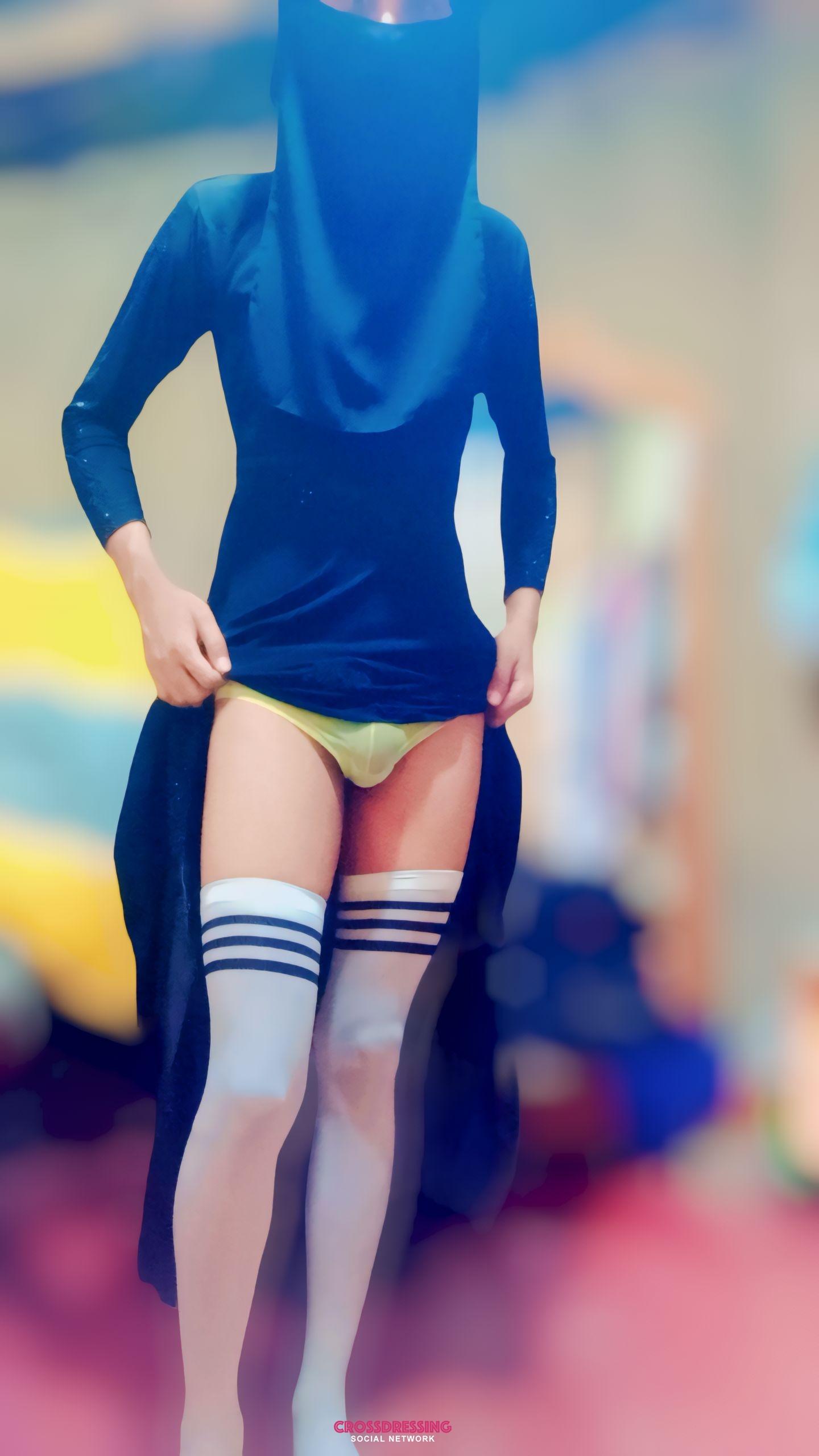
    Muslim Crossdresser #muslim #femboy #gay #sissy #abir #femboyabir #crossdresser #muslimah #hijab #kneesocks #overkneesocks #thighs #boythigh

    Love
    Yay
    Wow
    16
    2 Comments 0 Shares 12K Views
  • Muslim Crossdresser

    #muslim #femboy #gay #sissy #abir #femboy #crossdresser #muslimah #hijab #kneesocks #overkneesocks #thighs #boythigh

    Muslim Crossdresser #muslim #femboy #gay #sissy #abir #femboy #crossdresser #muslimah #hijab #kneesocks #overkneesocks #thighs #boythigh

    Love
    Yay
    10
    0 Comments 0 Shares 11K Views
  • Muslim Crossdresser

    #muslim #femboy #gay #sissy #abir #femboy #crossdresser #muslimah #hijab #kneesocks #overkneesocks #thighs #boythigh

    Muslim Crossdresser #muslim #femboy #gay #sissy #abir #femboy #crossdresser #muslimah #hijab #kneesocks #overkneesocks #thighs #boythigh
    Love
    6
    0 Comments 0 Shares 11K Views
  • Can I go Leeds First Friday in a hijab?? Never been but looks fun x
    Can I go Leeds First Friday in a hijab?? Never been but looks fun x
    Love
    2
    10 Comments 0 Shares 6K Views
  • So happy as a crosshijabers
    So happy as a crosshijabers😊
    Love
    1
    2 Comments 0 Shares 3K Views