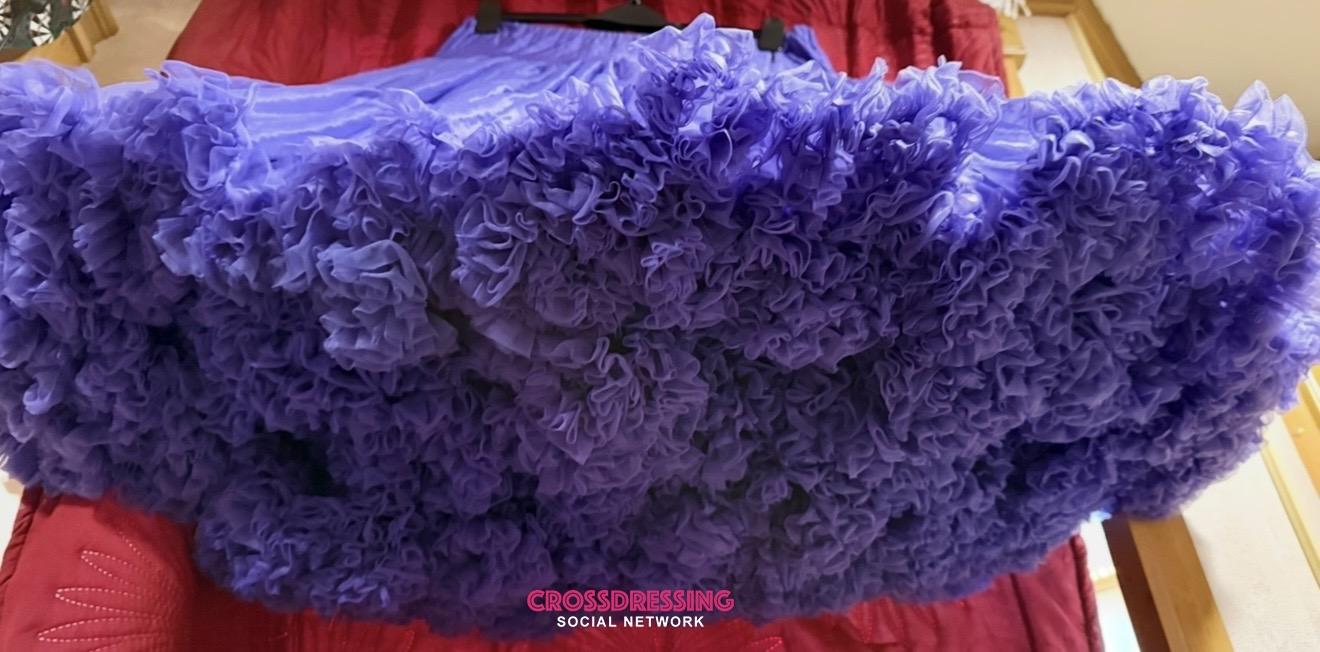
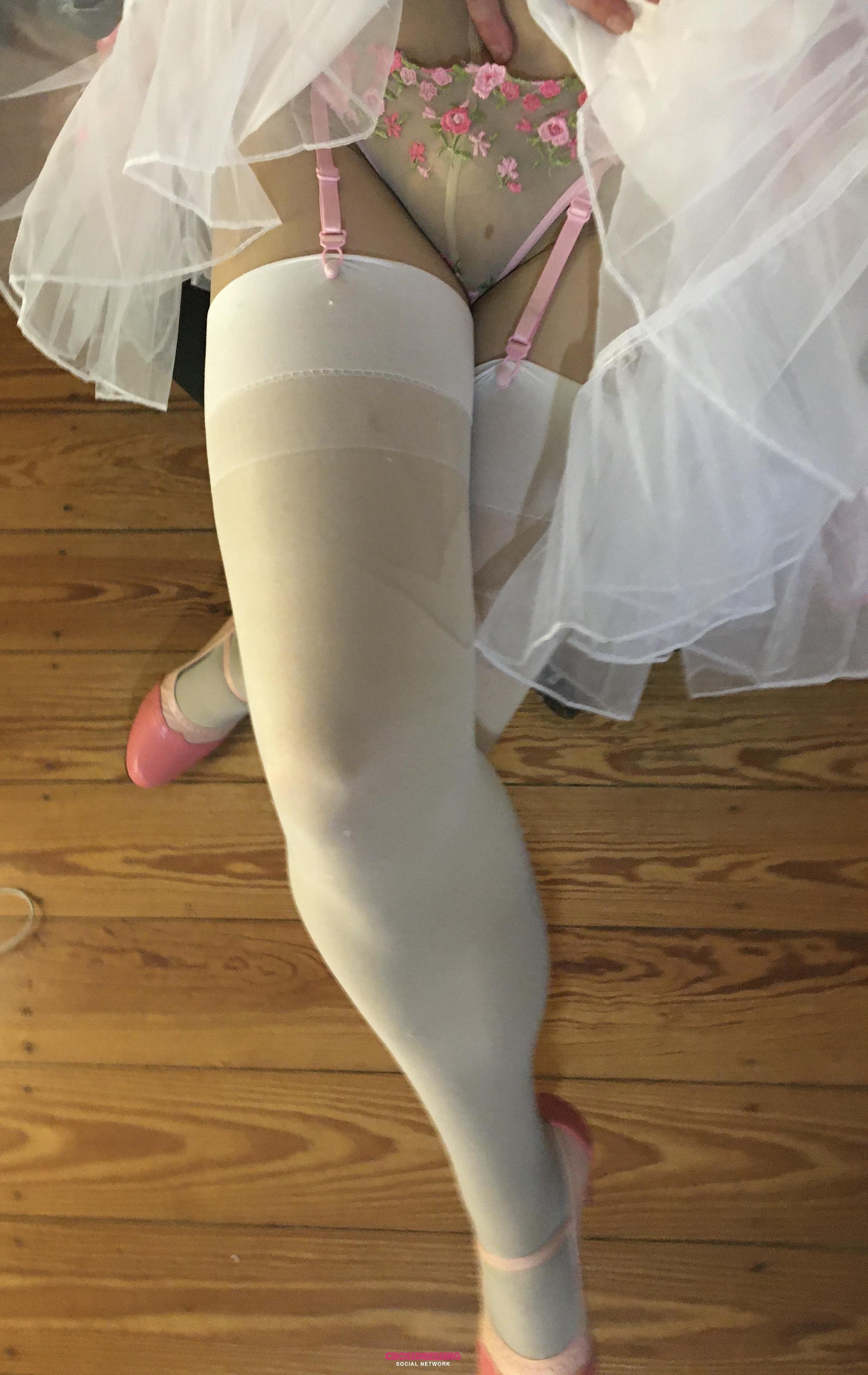
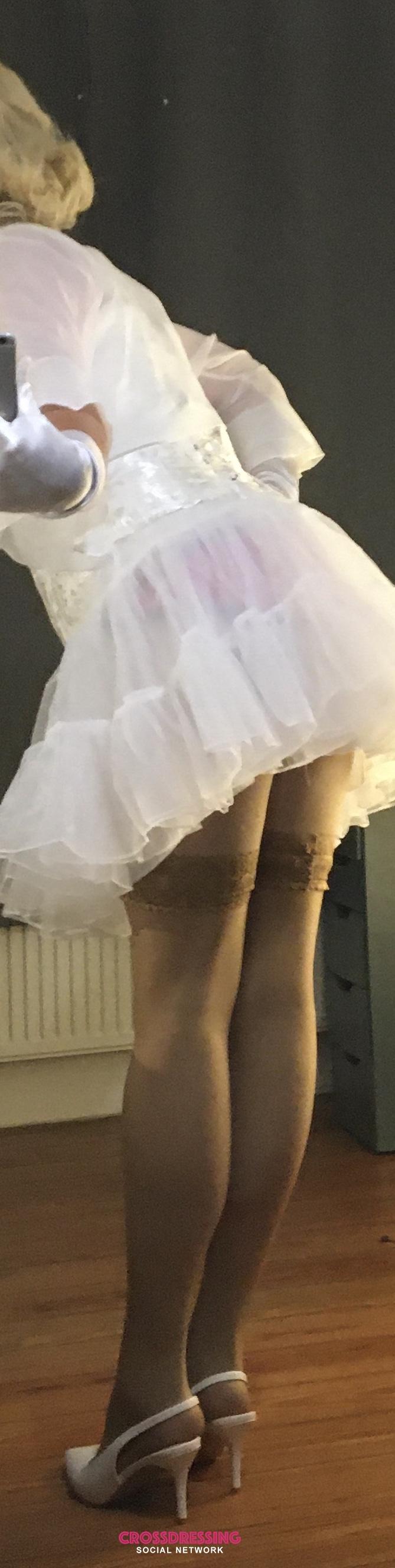
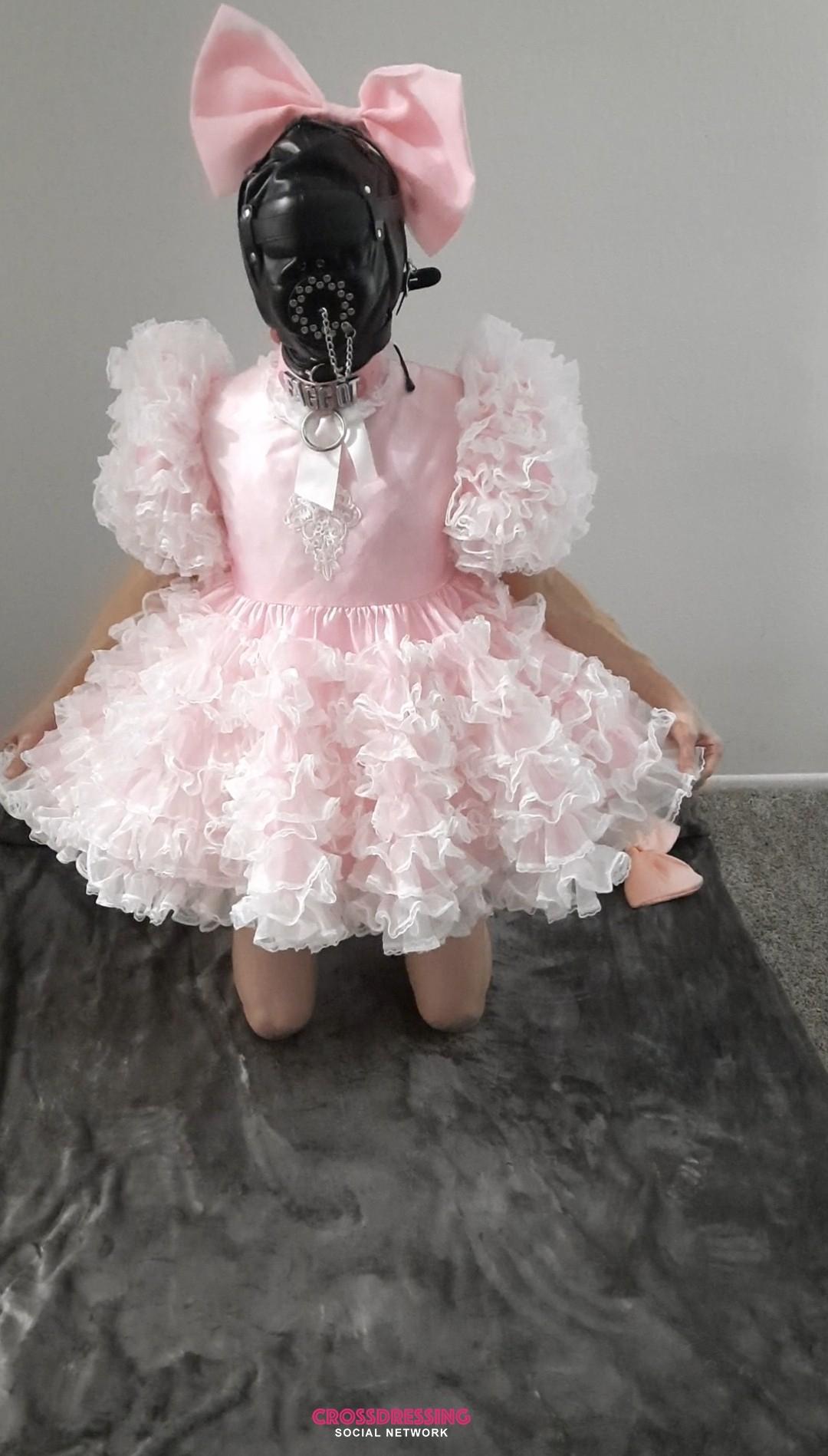
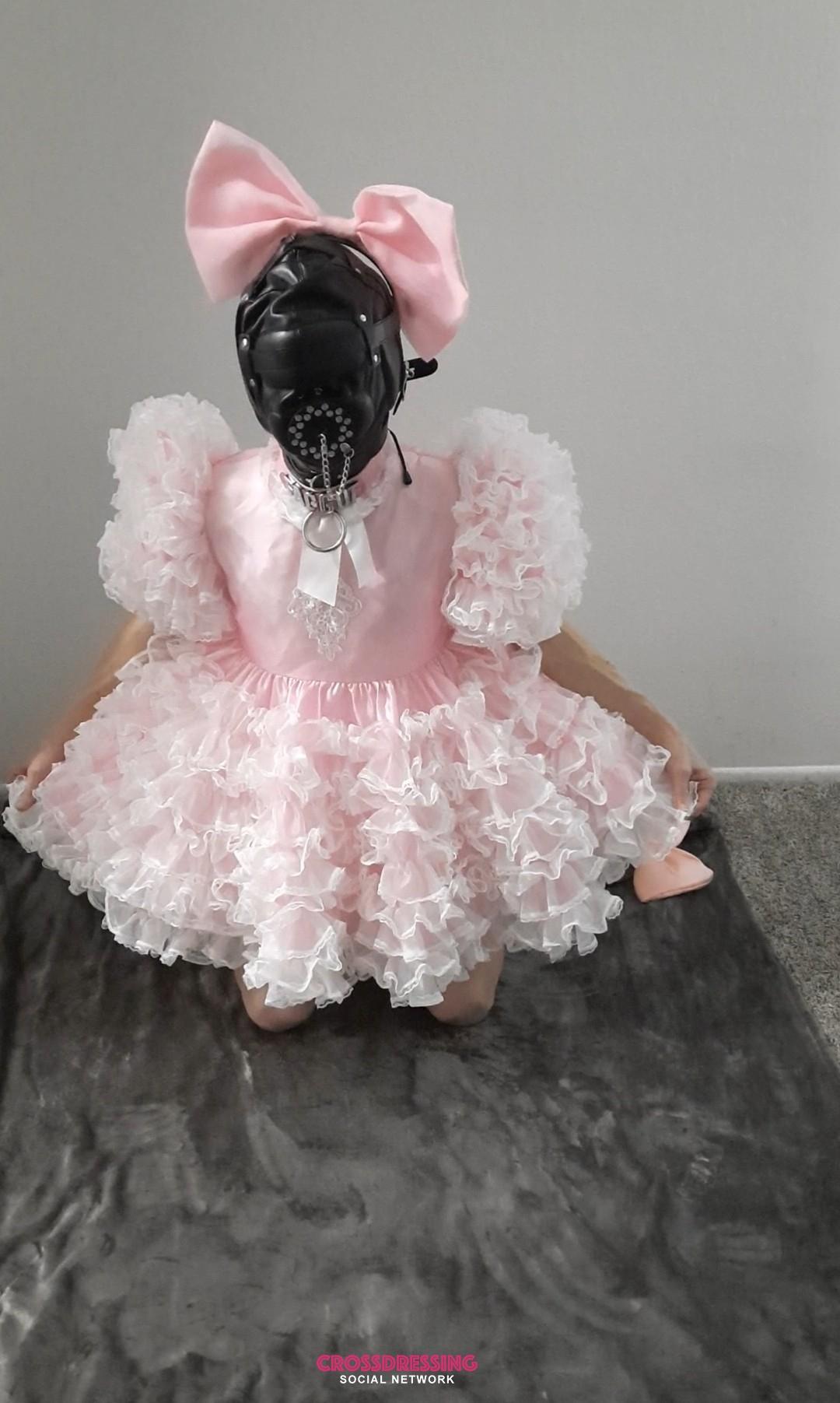
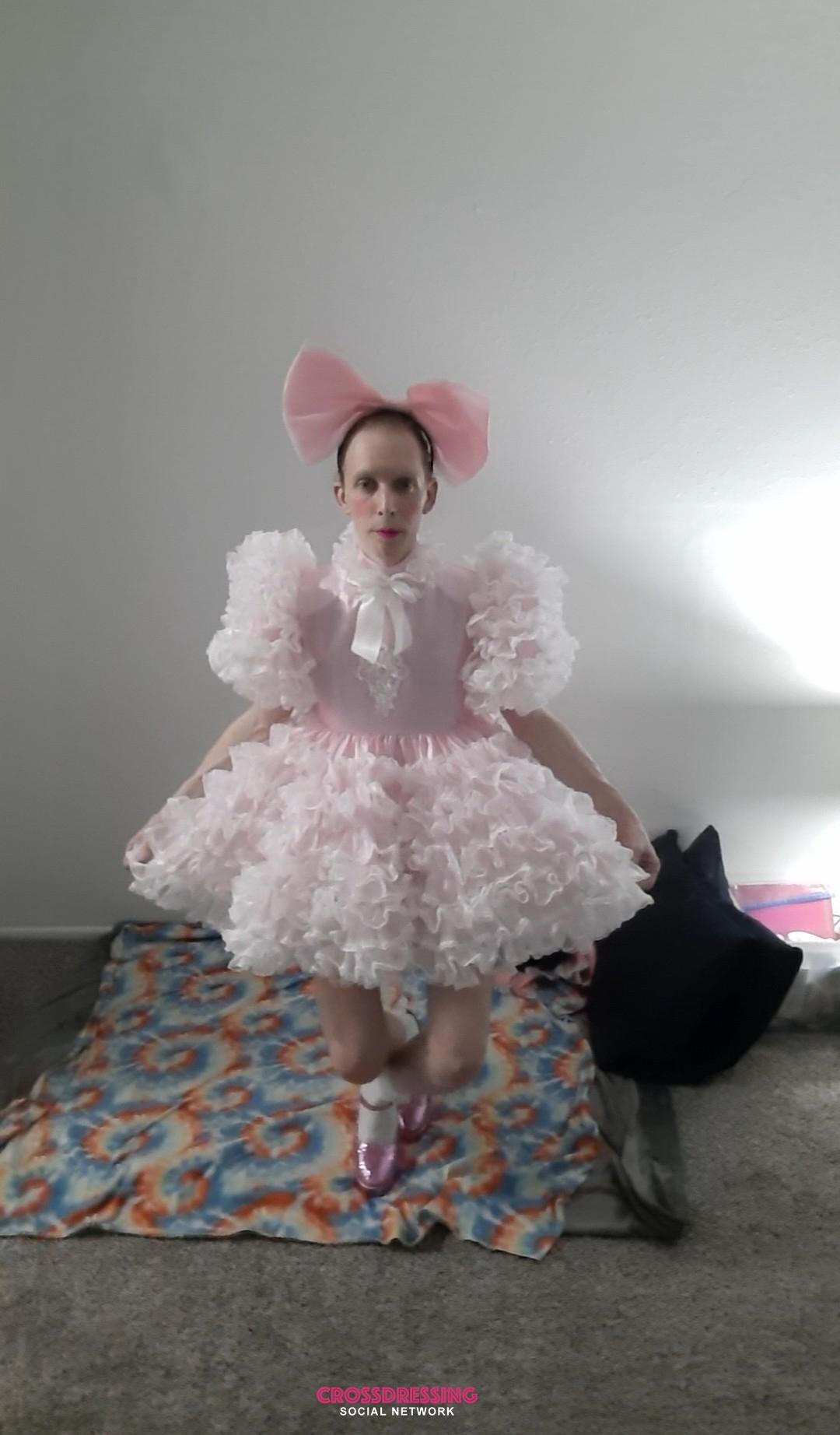
• Hope you liked the video of this little number may dress up over the weekend in it if you want to see me wear it ? X
    #pettiskirt #taffeta #ruffles #frills
    Hope you liked the video of this little number may dress up over the weekend in it if you want to see me wear it ? X 🤭❤️ #pettiskirt #taffeta #ruffles #frills
    Like
    Love
    4
    0 Комментарии 0 Поделились 2Кб Просмотры
  • Name's Delilah "Dolly" Malone, private eye by trade, sissy by nature. Obese, overweight, and unapologetic about it, I waddled through this apocalypse in a Barbie pink ankle length trenchcoat that billowed like a parachute in the fallout wind. Underneath, my pink Victorian mourning attire clung to my rolls, a long pink satin gown with subtle sheen highlights that caught the dim rad lights just right, making me shimmer like a forbidden dream. My oversized pink satin headscarf framed my face, tied in a bow that screamed Rococo excess, and a sheer pink chiffon voile veil draped over it all, misting my vision in rosy haze. Glossy shiny deluxe blouse frills peeked out at the collar, frilly as a sissy maid's apron. Dramatic pink lips, pink eyeliner I painted myself like a doll in a world gone gray. Hard boiled? Sure, but with a soft center that melted at the wrong touch. It started like any other gig in this irradiated hellhole, the kind where the client slinks into your office smelling of desperation and cheap perfume. My office was a gutted bungalow on what's left of Sunset Boulevard, walls papered with faded starlet posters glowing faintly from the rads. She walked in or slithered, more like a femme fatale straight out of the old reels, but twisted by the apocalypse. Tall, gaunt, with skin like irradiated porcelain and eyes that could melt lead. Called herself Veronica Voss, heir to some pre war studio fortune, or so she claimed. "Dolly," she purred, her voice like velvet over razor wire, "I need you to find my husband. He's gone missing with a stash of pre-war gold the kind that could buy us a ticket out of this wasteland." I should've walked away. But her gaze lingered on my pink ensemble, a smirk playing on those blood red lips. "You look... exquisite," she said, tracing a finger along my frilled blouse. Love or money? Hell, in my line of work, it's always both. I took the case, lured like an innocent lamb to the slaughter. Average? Me? Law abiding? In this world, survival's the only law, but yeah, I was tempted. She dangled promises, a cut of the gold, a night in her arms, where I'd be her pretty little doll. My heart, buried under layers of satin and fat, fluttered like a trapped bird. The trail led to the ruins of the Hollywood Sign, now a jagged "HOLLYW D" mocking the sky. Dutch angles everywhere, the ground tilted under my heels, my pink gown swishing as I lumbered up the hill, veil fluttering in the toxic breeze. I found clues: a scorched map to a vault in the old MGM lot, whispers of a heist crew Veronica's hubby had assembled. Perfect crime, they thought crack the vault, grab the gold, vanish into the Mojave like ghosts. But greed's a hungry beast. I pieced it together from rad scorched notes and bullet riddled bodies: internal betrayal, bad luck from a radstorm that fried their getaway vertibird. The hubby was dead, double crossed by his own femme fatale wait, no. By Veronica? My gut twisted. That's when it got personal. Digging deeper, I uncovered photos in the vault pre war snapshots of a man who looked too familiar. Me? No, couldn't be. But the face... my face, slimmer, harder, before the bombs, before the pink. Amnesia hit like a sledgehammer. I'd blacked out chunks of my past after the fallout, waking up in this body, this craving for satin and veils. Identity crisis? You bet. Turns out, I wasn't always Dolly. I was that hubby or a clone, or some rad mutated twin. Veronica had lured me in before the war, manipulated me into a heist for her studio's hidden fortune. I stole, I killed, she betrayed me, left me for dead in the blast. Now, post apocalypse, she'd tracked me down, not knowing it was me under the pink, the fat, the frills. She wanted the gold I'd stashed in my fogged memory. Corruption seeped in like fallout rain. The case turned dangerous her goons on my tail, corrupt Enclave remnants posing as authorities, accusing me of the old murders. Innocent man on the run? Wrongfully accused in a world where justice is a loaded .45. I evaded them through the twisted streets, my trenchcoat snagging on barbed wire, pink satin tearing like my sanity. Hiding in a bombed out mansion, I confronted her. "You," I gasped, veil askew, lips smudged. "You did this to me." She laughed, that velvet razor slicing deep. "Darling, you were always a pushover. A little love, a little money and look at you now, all dolled up." She drew a pearl handled pistol, the trap sprung. The heist gone wrong? This was round two. I lunged obese, but fueled by rage knocking the gun away. We tumbled in Dutch angled chaos, shadows twisting like my gown's sheen. But greed won. She grabbed the gold map from my pocket, shot me in the gut. As I bled out on the irradiated floor, pink staining red, I realized: destruction was always the endgame. For the lured innocent, the doomed detective, the betrayed sissy in a world of gray. Fade to black, darling. Fade to pink.
    Name's Delilah "Dolly" Malone, private eye by trade, sissy by nature. Obese, overweight, and unapologetic about it, I waddled through this apocalypse in a Barbie pink ankle length trenchcoat that billowed like a parachute in the fallout wind. Underneath, my pink Victorian mourning attire clung to my rolls, a long pink satin gown with subtle sheen highlights that caught the dim rad lights just right, making me shimmer like a forbidden dream. My oversized pink satin headscarf framed my face, tied in a bow that screamed Rococo excess, and a sheer pink chiffon voile veil draped over it all, misting my vision in rosy haze. Glossy shiny deluxe blouse frills peeked out at the collar, frilly as a sissy maid's apron. Dramatic pink lips, pink eyeliner I painted myself like a doll in a world gone gray. Hard boiled? Sure, but with a soft center that melted at the wrong touch. It started like any other gig in this irradiated hellhole, the kind where the client slinks into your office smelling of desperation and cheap perfume. My office was a gutted bungalow on what's left of Sunset Boulevard, walls papered with faded starlet posters glowing faintly from the rads. She walked in or slithered, more like a femme fatale straight out of the old reels, but twisted by the apocalypse. Tall, gaunt, with skin like irradiated porcelain and eyes that could melt lead. Called herself Veronica Voss, heir to some pre war studio fortune, or so she claimed. "Dolly," she purred, her voice like velvet over razor wire, "I need you to find my husband. He's gone missing with a stash of pre-war gold the kind that could buy us a ticket out of this wasteland." I should've walked away. But her gaze lingered on my pink ensemble, a smirk playing on those blood red lips. "You look... exquisite," she said, tracing a finger along my frilled blouse. Love or money? Hell, in my line of work, it's always both. I took the case, lured like an innocent lamb to the slaughter. Average? Me? Law abiding? In this world, survival's the only law, but yeah, I was tempted. She dangled promises, a cut of the gold, a night in her arms, where I'd be her pretty little doll. My heart, buried under layers of satin and fat, fluttered like a trapped bird. The trail led to the ruins of the Hollywood Sign, now a jagged "HOLLYW D" mocking the sky. Dutch angles everywhere, the ground tilted under my heels, my pink gown swishing as I lumbered up the hill, veil fluttering in the toxic breeze. I found clues: a scorched map to a vault in the old MGM lot, whispers of a heist crew Veronica's hubby had assembled. Perfect crime, they thought crack the vault, grab the gold, vanish into the Mojave like ghosts. But greed's a hungry beast. I pieced it together from rad scorched notes and bullet riddled bodies: internal betrayal, bad luck from a radstorm that fried their getaway vertibird. The hubby was dead, double crossed by his own femme fatale wait, no. By Veronica? My gut twisted. That's when it got personal. Digging deeper, I uncovered photos in the vault pre war snapshots of a man who looked too familiar. Me? No, couldn't be. But the face... my face, slimmer, harder, before the bombs, before the pink. Amnesia hit like a sledgehammer. I'd blacked out chunks of my past after the fallout, waking up in this body, this craving for satin and veils. Identity crisis? You bet. Turns out, I wasn't always Dolly. I was that hubby or a clone, or some rad mutated twin. Veronica had lured me in before the war, manipulated me into a heist for her studio's hidden fortune. I stole, I killed, she betrayed me, left me for dead in the blast. Now, post apocalypse, she'd tracked me down, not knowing it was me under the pink, the fat, the frills. She wanted the gold I'd stashed in my fogged memory. Corruption seeped in like fallout rain. The case turned dangerous her goons on my tail, corrupt Enclave remnants posing as authorities, accusing me of the old murders. Innocent man on the run? Wrongfully accused in a world where justice is a loaded .45. I evaded them through the twisted streets, my trenchcoat snagging on barbed wire, pink satin tearing like my sanity. Hiding in a bombed out mansion, I confronted her. "You," I gasped, veil askew, lips smudged. "You did this to me." She laughed, that velvet razor slicing deep. "Darling, you were always a pushover. A little love, a little money and look at you now, all dolled up." She drew a pearl handled pistol, the trap sprung. The heist gone wrong? This was round two. I lunged obese, but fueled by rage knocking the gun away. We tumbled in Dutch angled chaos, shadows twisting like my gown's sheen. But greed won. She grabbed the gold map from my pocket, shot me in the gut. As I bled out on the irradiated floor, pink staining red, I realized: destruction was always the endgame. For the lured innocent, the doomed detective, the betrayed sissy in a world of gray. Fade to black, darling. Fade to pink.
    Love
    2
    0 Комментарии 0 Поделились 5Кб Просмотры
  • In the Hills after the Bomb they mostly call me The Late Detective. Late to justice, late to lunch, late to the end of the world. The sky was the colour of an old television left on after the station died, tilted at a Dutch angle like God had nudged the tripod and walked away. In this town, fabric tells the truth faster than people. I walked through it swaddled in turquoise satin, layered, intentional, defiant. My trenchcoated attire was heavy silk satin, the kind with a weight to it, a gravity. Satin doesn’t flutter; it arrives. It caught the light even in monochrome, turning every streetlamp into a confession. Underneath, the Victorian mourning attire did what it was designed to do: announce loss while indulging excess. Glossy deluxe blouse frills, cut wide and deep, each fold edged like it had a memory. They whispered when I moved. Satin remembers. It always does. The hijab headscarf was oversized turquoise satin, wrapped high and proud, smooth as a bribe sliding across a table. Over that, a chiffon voile veil, sheer, unforgiving, honest. Chiffon doesn’t hide anything; it only softens the blow. It floated just off my face, catching the radioactive breeze, turning my grief into motion. Taffeta anchored the gown beneath it all, crisp and slightly petulant, holding its shape like a stubborn alibi. Taffeta never forgets it’s there. I knew the case was serious the moment I saw the mannequins. The Garment District had been stripped naked. Not torn apart, undressed. Racks stood empty, arms out like they were asking questions nobody wanted to answer. The air smelled wrong. Usually it was starch, dye, steam, ambition. Now it was dust and panic. Silk was missing. All of it. Not just silk as a category, but silk as an idea. Satin-faced charmeuse. Heavy duchess satin meant for gowns that expected to be remembered. Raw silk with its tiny imperfections, honest as a tired smile. Silk twill that knew how to hold a line. Gone. Satin too, proper satin, not that plastic nonsense. The good stuff that slides between your fingers like it’s trying to escape. Satin that makes even cheap tailoring look like it has a lawyer. Vanished. Taffeta bolts were missing next. Crisp, noisy taffeta that rustles when you walk, announcing your presence whether you like it or not. The kind of fabric that refuses subtlety. Someone had wanted drama. And chiffon. God help us, chiffon. Weightless, floaty, translucent. Chiffon that catches on breath, on light, on the idea of movement. The chiffon racks looked like a graveyard of empty hangers. Voile too, cotton voile, silk voile, the gentle middle child that designers rely on when they want softness without surrender. Gone like a promise after the bombs. This wasn’t theft. This was curation. The femme fatale found me tracing the grain of a wooden cutting table, my gloved fingers remembering where silk had once lain. “They took only the best,” she said, lighting a cigarette like it was an accessory. “Nothing synthetic. Nothing that couldn’t mourn properly.” That told me everything. In the apocalypse, fabric becomes currency. Silk means water, means safety, means time to think. Satin means power. Taffeta means spectacle. Chiffon means hope. Voile means tenderness, the most dangerous commodity of all. I followed the trail through tailor shops and bombed out ateliers, past pattern paper fluttering like white flags. A single thread of turquoise voile snagged on a rusted nail led me uphill, toward the old soundstages where dreams used to be pressed, steamed, and sent out into the world with a smile. Inside, the thieves had laid it all out. Bolts of silk arranged by weight and weave. Satin draped over chairs, catching the light like liquid. Taffeta stacked with military precision, crisp edges aligned, ready to explode into skirts and coats. Chiffon suspended from rigging, floating in layers, a cloud of almost nothing. Voile stretched and tested, light passing through it like mercy. They weren’t stealing to sell. They were building. A final show. A post apocalyptic couture reveal. If the world was ending and it always was then it deserved a proper wardrobe. They surrounded me, guns low, eyes hungry. I adjusted my veil, let the chiffon breathe. “You can’t hoard fabric,” I told them. “It has to be worn. Silk dies in the dark.” The Choir hesitated. Madame Bias frowned, fingers brushing a length of satin like she was checking its pulse. The Cutter looked at my gown, at the way satin, taffeta, and chiffon argued and reconciled on my body. Fashion did the rest. In the end, the fabrics went back out into the streets. Seamstresses worked by candlelight. Mourning gowns bloomed. Trenchcoats shimmered. Veils floated through fallout like prayers that hadn’t given up yet. I walked home heavy with more layers than I arrived wearing, turquoise against the end of the world, every material doing what it was born to do.
    In the Hills after the Bomb they mostly call me The Late Detective. Late to justice, late to lunch, late to the end of the world. The sky was the colour of an old television left on after the station died, tilted at a Dutch angle like God had nudged the tripod and walked away. In this town, fabric tells the truth faster than people. I walked through it swaddled in turquoise satin, layered, intentional, defiant. My trenchcoated attire was heavy silk satin, the kind with a weight to it, a gravity. Satin doesn’t flutter; it arrives. It caught the light even in monochrome, turning every streetlamp into a confession. Underneath, the Victorian mourning attire did what it was designed to do: announce loss while indulging excess. Glossy deluxe blouse frills, cut wide and deep, each fold edged like it had a memory. They whispered when I moved. Satin remembers. It always does. The hijab headscarf was oversized turquoise satin, wrapped high and proud, smooth as a bribe sliding across a table. Over that, a chiffon voile veil, sheer, unforgiving, honest. Chiffon doesn’t hide anything; it only softens the blow. It floated just off my face, catching the radioactive breeze, turning my grief into motion. Taffeta anchored the gown beneath it all, crisp and slightly petulant, holding its shape like a stubborn alibi. Taffeta never forgets it’s there. I knew the case was serious the moment I saw the mannequins. The Garment District had been stripped naked. Not torn apart, undressed. Racks stood empty, arms out like they were asking questions nobody wanted to answer. The air smelled wrong. Usually it was starch, dye, steam, ambition. Now it was dust and panic. Silk was missing. All of it. Not just silk as a category, but silk as an idea. Satin-faced charmeuse. Heavy duchess satin meant for gowns that expected to be remembered. Raw silk with its tiny imperfections, honest as a tired smile. Silk twill that knew how to hold a line. Gone. Satin too, proper satin, not that plastic nonsense. The good stuff that slides between your fingers like it’s trying to escape. Satin that makes even cheap tailoring look like it has a lawyer. Vanished. Taffeta bolts were missing next. Crisp, noisy taffeta that rustles when you walk, announcing your presence whether you like it or not. The kind of fabric that refuses subtlety. Someone had wanted drama. And chiffon. God help us, chiffon. Weightless, floaty, translucent. Chiffon that catches on breath, on light, on the idea of movement. The chiffon racks looked like a graveyard of empty hangers. Voile too, cotton voile, silk voile, the gentle middle child that designers rely on when they want softness without surrender. Gone like a promise after the bombs. This wasn’t theft. This was curation. The femme fatale found me tracing the grain of a wooden cutting table, my gloved fingers remembering where silk had once lain. “They took only the best,” she said, lighting a cigarette like it was an accessory. “Nothing synthetic. Nothing that couldn’t mourn properly.” That told me everything. In the apocalypse, fabric becomes currency. Silk means water, means safety, means time to think. Satin means power. Taffeta means spectacle. Chiffon means hope. Voile means tenderness, the most dangerous commodity of all. I followed the trail through tailor shops and bombed out ateliers, past pattern paper fluttering like white flags. A single thread of turquoise voile snagged on a rusted nail led me uphill, toward the old soundstages where dreams used to be pressed, steamed, and sent out into the world with a smile. Inside, the thieves had laid it all out. Bolts of silk arranged by weight and weave. Satin draped over chairs, catching the light like liquid. Taffeta stacked with military precision, crisp edges aligned, ready to explode into skirts and coats. Chiffon suspended from rigging, floating in layers, a cloud of almost nothing. Voile stretched and tested, light passing through it like mercy. They weren’t stealing to sell. They were building. A final show. A post apocalyptic couture reveal. If the world was ending and it always was then it deserved a proper wardrobe. They surrounded me, guns low, eyes hungry. I adjusted my veil, let the chiffon breathe. “You can’t hoard fabric,” I told them. “It has to be worn. Silk dies in the dark.” The Choir hesitated. Madame Bias frowned, fingers brushing a length of satin like she was checking its pulse. The Cutter looked at my gown, at the way satin, taffeta, and chiffon argued and reconciled on my body. Fashion did the rest. In the end, the fabrics went back out into the streets. Seamstresses worked by candlelight. Mourning gowns bloomed. Trenchcoats shimmered. Veils floated through fallout like prayers that hadn’t given up yet. I walked home heavy with more layers than I arrived wearing, turquoise against the end of the world, every material doing what it was born to do.
    Like
    Love
    2
    0 Комментарии 0 Поделились 5Кб Просмотры
  • The case came in sideways, like everything else north of the equator these days.

    Over the irradiated murky Atlantic pond, Glasgow didn’t rain so much as accuse. The drizzle slid down the soot-stained tenements like it knew every sin committed inside them. Post-war, post-bomb, post-everything that ever pretended to be civilized. The apocalypse didn’t flatten Scotland the way it did Los Angeles, it hollowed it out instead, left the bones standing and filled the gaps with whisky, guns, and ghosts.

    I wore black that night. Not the practical kind.
    The statement kind.

    A black oversized tartan satin headscarf wrapped tight around my hair, catching the light like wet ink. Over my face, a sheer black chiffon voile veil, the mourning lace thin enough to breathe through, thick enough to hide regret. The rest of me was Victorian grief dialed up to eleven: glossy black tartan blouse with rococo frills, satin panels hugging me like a second conscience, skirts whispering every time I moved. I looked like a widow who’d buried the world and decided it deserved it.

    In Glasgow, that bought me anonymity.

    They called me Han here too, though the locals said it like a question. I’d followed the trail across the Atlantic after a shipment of American surplus hardware went missing, Tommy guns, plasma pistols, a few toys left over from the end of the world. Fallout New Vegas tech, Hollywood Hills money, Highland routes. Someone was running iron through the glens and washing it down with single malt older than the war itself.

    The back streets off Trongate were crooked enough to make a Dutch cameraman weep. Buildings leaned in close, sharing secrets. Gas lamps flickered like they were afraid of what they might illuminate. I walked slow, heels deliberate, veil fluttering just enough to let the right people notice and the wrong people hesitate.

    That’s when the femme fatale found me.

    She leaned against a doorway like she’d been waiting for the end of the world to catch up. Hair platinum under a cloche hat, lips dark as a closed casket. Scottish, sharp, and carrying herself like a blade wrapped in silk.

    “You’re far from Hollywood, sweetheart,” she said. “And you’re dressed for a funeral that isn’t yours.”

    “Everyone’s funeral is mine eventually,” I said. “I just like to dress appropriately.”

    She smiled. That was the mistake.

    Her name was Moira Blackwood. Whisky broker. Gun runner. Mourner by trade. She dealt in Highland routes, smugglers who knew every fog bank, every forgotten rail spur left behind when the bombs fell south. The Americans supplied the firepower. The Scots supplied the patience.

    And someone was skimming.

    Bodies were turning up in the lochs. Empty bottles floating beside them like punchlines. Moira wanted to know who was cutting into her business before it turned into a clan war with automatic weapons.

    We took a train north that barely remembered being a train. Through valleys drowned in mist and radiation snow. I kept the veil on the whole way. In the Highlands, superstition still worked better than bullets.

    The smugglers met us in an abandoned distillery, barrels stacked like tombstones. The tartan of my outfit mirrored theirs, same pattern, different intent. They watched me carefully. Men always did when they couldn’t decide what category to put me in.

    That hesitation saved my life.

    When the shooting started, I was already moving. Heels skidding on stone, skirts swirling, revolver barking from beneath layers of satin and sorrow. Moira went down fast—winged, not dead. The real culprit bolted for the back door, carrying a ledger thick with names and lies.

    I caught him by the loch.

    The water reflected us in stark monochrome: him shaking, me looming, veil rippling like smoke. He confessed quickly. They always did when faced with someone who looked like death had chosen tartan satin couture.

    I left him there for the deep dark water to judge.

    By dawn, the Highlands were quiet again. Moira paid me in whisky older than memory and ammunition stamped with American lies. Fair trade.

    Back in Glasgow, I stood in a cracked mirror in a boarding house that smelled of coal and grief. I removed the veil last. Always last.

    Another city survived. Another secret buried. Another outfit stained with rain instead of blood.

    The world was still tilted. Still broken. Still rolling on at the wrong angle.

    But as long as there were shadows to walk and clothes that told the truth my mouth didn’t have to, I’d keep going.

    Mourning never goes out of fashion.
    The case came in sideways, like everything else north of the equator these days. Over the irradiated murky Atlantic pond, Glasgow didn’t rain so much as accuse. The drizzle slid down the soot-stained tenements like it knew every sin committed inside them. Post-war, post-bomb, post-everything that ever pretended to be civilized. The apocalypse didn’t flatten Scotland the way it did Los Angeles, it hollowed it out instead, left the bones standing and filled the gaps with whisky, guns, and ghosts. I wore black that night. Not the practical kind. The statement kind. A black oversized tartan satin headscarf wrapped tight around my hair, catching the light like wet ink. Over my face, a sheer black chiffon voile veil, the mourning lace thin enough to breathe through, thick enough to hide regret. The rest of me was Victorian grief dialed up to eleven: glossy black tartan blouse with rococo frills, satin panels hugging me like a second conscience, skirts whispering every time I moved. I looked like a widow who’d buried the world and decided it deserved it. In Glasgow, that bought me anonymity. They called me Han here too, though the locals said it like a question. I’d followed the trail across the Atlantic after a shipment of American surplus hardware went missing, Tommy guns, plasma pistols, a few toys left over from the end of the world. Fallout New Vegas tech, Hollywood Hills money, Highland routes. Someone was running iron through the glens and washing it down with single malt older than the war itself. The back streets off Trongate were crooked enough to make a Dutch cameraman weep. Buildings leaned in close, sharing secrets. Gas lamps flickered like they were afraid of what they might illuminate. I walked slow, heels deliberate, veil fluttering just enough to let the right people notice and the wrong people hesitate. That’s when the femme fatale found me. She leaned against a doorway like she’d been waiting for the end of the world to catch up. Hair platinum under a cloche hat, lips dark as a closed casket. Scottish, sharp, and carrying herself like a blade wrapped in silk. “You’re far from Hollywood, sweetheart,” she said. “And you’re dressed for a funeral that isn’t yours.” “Everyone’s funeral is mine eventually,” I said. “I just like to dress appropriately.” She smiled. That was the mistake. Her name was Moira Blackwood. Whisky broker. Gun runner. Mourner by trade. She dealt in Highland routes, smugglers who knew every fog bank, every forgotten rail spur left behind when the bombs fell south. The Americans supplied the firepower. The Scots supplied the patience. And someone was skimming. Bodies were turning up in the lochs. Empty bottles floating beside them like punchlines. Moira wanted to know who was cutting into her business before it turned into a clan war with automatic weapons. We took a train north that barely remembered being a train. Through valleys drowned in mist and radiation snow. I kept the veil on the whole way. In the Highlands, superstition still worked better than bullets. The smugglers met us in an abandoned distillery, barrels stacked like tombstones. The tartan of my outfit mirrored theirs, same pattern, different intent. They watched me carefully. Men always did when they couldn’t decide what category to put me in. That hesitation saved my life. When the shooting started, I was already moving. Heels skidding on stone, skirts swirling, revolver barking from beneath layers of satin and sorrow. Moira went down fast—winged, not dead. The real culprit bolted for the back door, carrying a ledger thick with names and lies. I caught him by the loch. The water reflected us in stark monochrome: him shaking, me looming, veil rippling like smoke. He confessed quickly. They always did when faced with someone who looked like death had chosen tartan satin couture. I left him there for the deep dark water to judge. By dawn, the Highlands were quiet again. Moira paid me in whisky older than memory and ammunition stamped with American lies. Fair trade. Back in Glasgow, I stood in a cracked mirror in a boarding house that smelled of coal and grief. I removed the veil last. Always last. Another city survived. Another secret buried. Another outfit stained with rain instead of blood. The world was still tilted. Still broken. Still rolling on at the wrong angle. But as long as there were shadows to walk and clothes that told the truth my mouth didn’t have to, I’d keep going. Mourning never goes out of fashion.
    Love
    2
    0 Комментарии 0 Поделились 4Кб Просмотры
  • I had just finished fastening the last hidden hook at the back of my turquoise gown when the knock came. Five soft raps. Familiar. Unhurried. For a moment my heart stuttered, the old reflex, the ancient fear and my hands flew to the veil as if I could suddenly disappear beneath it. No one ever came unannounced anymore. At sixty four, surprises usually meant doctors or delivery drivers. Then I recognised the rhythm. Only one person still knocked like that. “Don’t answer,” I whispered to myself. But I already knew I would. I moved toward the door, satin whispering around my legs, chiffon brushing my cheeks. Each step felt like a small confession. When I opened it, there she stood, Margaret. “Well,” she said gently, taking a long appraisal at me from headscarf to hem, “you’ve finally gone back to turquoise.” The relief hit me so hard I had to grip the doorframe. She didn’t gasp. Didn’t stare. Didn’t ask. She stepped inside as if this were the most ordinary thing in the world. Margaret and I had known each other forty years. We met in a crossdressing support group that didn’t dare use honest language, two frightened middle aged men pretending we were only “curious.” We had survived marriages, divorces, children, funerals, health scares, church shame, private wardrobes, public disguises. She was the only one who knew about her, the other side of me and about my wife, about the promise I made to bury this part of myself with her. Then she laughed a low, delighted laugh I hadn’t heard in years. “Well,” she said, stepping back to take me in properly, “someone’s been practising.” “And someone,” I replied, eyes dropping pointedly to her coat, “is hiding something under there.” She raised one eyebrow, theatrical as ever, and swept inside without another word. In the sitting room she removed her coat slowly, with ceremony. Underneath, she bloomed. Lavender satin skirt, soft as spilled dusk. A pearl-grey blouse with tiny buttons marching down its front. Her shoulders were draped in a pale mourning shawl, but beneath it shimmered a corset modest, yes, but unmistakably intentional. Her hair still stubbornly silver and short was crowned with a small violet fascinator tilted at a hopeful angle. We stared at each other. Then, at exactly the same moment, we burst into laughter. “Oh my God,” she said, clutching the back of a chair. “Look at us.” “Two antique chandeliers,” I said. “With arthritis.” She crossed the room and turned me gently by the shoulders toward the mirror. “Look properly,” she said. And I did. Two elderly figures in satin and chiffon and stubborn colour, layered with grief and courage and too many decades of silence. My turquoise against her lavender, mourning shades learning how to speak joy. “I never thought,” I said quietly, “that I’d be doing this at sixty four. With company.” “Better late than embalmed,” she replied. We helped each other settle in the armchairs, cushions adjusted, skirts arranged, veils tamed. She fixed my eyeliner with the same tenderness she’d used the last time we met. I fastened a hook she couldn’t quite reach at the back of her corset. Our hands lingered, not with desire, but with recognition. Tea became sherry. Sherry became stories. We spoke of first dresses bought in secret, of wigs hidden in lofts, of wives who never knew and wives who half knew and one who knew everything and loved anyway. We spoke of shame, of church halls, of changing rooms we never dared enter. At one point she stood and curtsied, wobbling dangerously. “Behold,” she announced, “the ghost of femininity past.” I applauded, carefully, so I didn’t spill my sherry. Later, when the light softened and the veil cast turquoise shadows across the wall, we grew quieter. “I was so lonely after Shirley died,” she said softly. “Not for another woman to replace her. For… this.” She gestured between us. “I know,” I said. And I did. Before she left, we stood by the door together, adjusting each other one last time, smoothing frills, straightening shawls, checking lipstick like two conspirators before a masquerade. “We should do this again,” she said. “Regularly,” I said at once. “Before courage changes its mind.” She smiled. “You know,” she said gently, “we don’t have to call it mourning forever.” I watched her walk away in lavender, support cane tapping, skirt swaying stubbornly against time. When I closed the door, the house no longer felt like a place of echoes. It felt like a dressing room. And for the first time in a very long life, I looked forward not to remembering, but to the next time I would become myself with someone who truly understood.
    I had just finished fastening the last hidden hook at the back of my turquoise gown when the knock came. Five soft raps. Familiar. Unhurried. For a moment my heart stuttered, the old reflex, the ancient fear and my hands flew to the veil as if I could suddenly disappear beneath it. No one ever came unannounced anymore. At sixty four, surprises usually meant doctors or delivery drivers. Then I recognised the rhythm. Only one person still knocked like that. “Don’t answer,” I whispered to myself. But I already knew I would. I moved toward the door, satin whispering around my legs, chiffon brushing my cheeks. Each step felt like a small confession. When I opened it, there she stood, Margaret. “Well,” she said gently, taking a long appraisal at me from headscarf to hem, “you’ve finally gone back to turquoise.” The relief hit me so hard I had to grip the doorframe. She didn’t gasp. Didn’t stare. Didn’t ask. She stepped inside as if this were the most ordinary thing in the world. Margaret and I had known each other forty years. We met in a crossdressing support group that didn’t dare use honest language, two frightened middle aged men pretending we were only “curious.” We had survived marriages, divorces, children, funerals, health scares, church shame, private wardrobes, public disguises. She was the only one who knew about her, the other side of me and about my wife, about the promise I made to bury this part of myself with her. Then she laughed a low, delighted laugh I hadn’t heard in years. “Well,” she said, stepping back to take me in properly, “someone’s been practising.” “And someone,” I replied, eyes dropping pointedly to her coat, “is hiding something under there.” She raised one eyebrow, theatrical as ever, and swept inside without another word. In the sitting room she removed her coat slowly, with ceremony. Underneath, she bloomed. Lavender satin skirt, soft as spilled dusk. A pearl-grey blouse with tiny buttons marching down its front. Her shoulders were draped in a pale mourning shawl, but beneath it shimmered a corset modest, yes, but unmistakably intentional. Her hair still stubbornly silver and short was crowned with a small violet fascinator tilted at a hopeful angle. We stared at each other. Then, at exactly the same moment, we burst into laughter. “Oh my God,” she said, clutching the back of a chair. “Look at us.” “Two antique chandeliers,” I said. “With arthritis.” She crossed the room and turned me gently by the shoulders toward the mirror. “Look properly,” she said. And I did. Two elderly figures in satin and chiffon and stubborn colour, layered with grief and courage and too many decades of silence. My turquoise against her lavender, mourning shades learning how to speak joy. “I never thought,” I said quietly, “that I’d be doing this at sixty four. With company.” “Better late than embalmed,” she replied. We helped each other settle in the armchairs, cushions adjusted, skirts arranged, veils tamed. She fixed my eyeliner with the same tenderness she’d used the last time we met. I fastened a hook she couldn’t quite reach at the back of her corset. Our hands lingered, not with desire, but with recognition. Tea became sherry. Sherry became stories. We spoke of first dresses bought in secret, of wigs hidden in lofts, of wives who never knew and wives who half knew and one who knew everything and loved anyway. We spoke of shame, of church halls, of changing rooms we never dared enter. At one point she stood and curtsied, wobbling dangerously. “Behold,” she announced, “the ghost of femininity past.” I applauded, carefully, so I didn’t spill my sherry. Later, when the light softened and the veil cast turquoise shadows across the wall, we grew quieter. “I was so lonely after Shirley died,” she said softly. “Not for another woman to replace her. For… this.” She gestured between us. “I know,” I said. And I did. Before she left, we stood by the door together, adjusting each other one last time, smoothing frills, straightening shawls, checking lipstick like two conspirators before a masquerade. “We should do this again,” she said. “Regularly,” I said at once. “Before courage changes its mind.” She smiled. “You know,” she said gently, “we don’t have to call it mourning forever.” I watched her walk away in lavender, support cane tapping, skirt swaying stubbornly against time. When I closed the door, the house no longer felt like a place of echoes. It felt like a dressing room. And for the first time in a very long life, I looked forward not to remembering, but to the next time I would become myself with someone who truly understood.
    Love
    4
    0 Комментарии 0 Поделились 5Кб Просмотры
  • In the dim parlour of a narrow terraced house on the edge of town, where the January dusk pressed against fogged windowpanes, Hanimefendi (once Tony, though the name now felt like an old coat left in the attic) sat perfectly still before the tall cheval mirror.
    At sixty four, the body that looked back at her was soft and heavy, rolls of flesh pressing against the seams of her chosen mourning. Yet every inch of it had been reclaimed in Barbie Pink the violent, unapologetic pink of bubblegum, flamingos, and little girls’ birthday dreams. She had buried the muted blacks and charcoals of conventional widowhood the same afternoon she buried her former self. Grief, she decided, deserved better than drabness. Grief deserved to scream.
    Her long gown swept the floorboards in heavy, liquid folds of pink satin. The fabric caught the lamplight in subtle, expensive highlights shimmering like wet sugar or the inside of a seashell. Tiny seed pearls marched along the modestly high neckline and down the front in orderly, virginal rows. The sleeves ended in deep cuffs of gathered pink chiffon that trembled with each slow breath.
    Over the gown rode the blouse: glossy, deluxe, almost liquid in its sheen. Frills cascaded from throat to waist like a waterfall of spun sugar ruffles upon ruffles upon ruffles, each edge finished with the thinnest piping of darker rose. The cuffs alone could have doubled as christening bonnets.
    But the true crown was the headscarf.
    An oversized triangle of blush pink satin, almost cartoonishly large, draped from the top of her head and cascaded past her shoulders in glossy waves. She had tied it under the chin with an extravagant bow, the ends trailing like rabbit ears. Pinned beneath it floated a sheer pink chiffon voile veil long enough to brush the upper swell of her ample chest, fine enough that her features showed through like a watercolour left in the rain. The veil softened the male jawline she had once hated, blurred the double chin, turned every blink into something theatrical and tender.
    Her mouth was a dramatic wound of matte fuchsia, outlined sharper than a paper cut. Above it arched brows drawn in powdery rose, while the eyelids shimmered with pearlescent pink shadow and were rimmed in vivid bubblegum liner that flicked outward in exaggerated Rococo commas. Cheeks bloomed with circular rouge like a porcelain doll painted by an over enthusiastic child. The overall effect was sissy maid meets Marie Antoinette in full defiant mourning feminine, excessive, absurdly pretty, and deliberately inconsolable.
    He, her male persona had hated the colour pink. Called it childish. Called it weak. On the nightstand sat the little brass urn containing what remained of him, his cremated wardrobe of male clothes, positioned so that the urn had no choice but to stare at her forever.
    Hanimefendi lifted one plump, ring laden hand. The nails were lacquered the exact shade of strawberry marshmallow. She touched the veil where it lay across her lips, pressing the satin bow against them as though kissing herself goodnight.
    I wore navy coloured clothes for forty-one years, she whispered to the mirror, voice low and cracked from crying and cigarettes she had given up in 1998. Navy and sensible shoes and ‘yes dear’ and ‘not now.’ You had your funeral in charcoal. Mine is pink. Barbie bloody pink. And I’m not sorry.
    A tear escaped, cutting a bright path through the rouge. It hung on the veil like dew on candyfloss before soaking in.
    She rose slowly, arthritic joints protesting and moved to the ancient radiogram in the corner. The needle settled onto an old 78. A scratchy soprano began to sing something unbearably sentimental about lost loves and rose gardens. Hanimefendi began to sway. The gown whispered against itself. The frills trembled. The veil floated like breath.
    In the mirror a vast, pink, glittering figure danced alone widowed, overweight, outrageously made up, and for the first time in six decades entirely herself.
    She was mourning, yes. But she was mourning in colour. And the house, for one evening at least, smelled faintly of rose talc, hot satin, and the sweetest kind of revenge.
    In the dim parlour of a narrow terraced house on the edge of town, where the January dusk pressed against fogged windowpanes, Hanimefendi (once Tony, though the name now felt like an old coat left in the attic) sat perfectly still before the tall cheval mirror. At sixty four, the body that looked back at her was soft and heavy, rolls of flesh pressing against the seams of her chosen mourning. Yet every inch of it had been reclaimed in Barbie Pink the violent, unapologetic pink of bubblegum, flamingos, and little girls’ birthday dreams. She had buried the muted blacks and charcoals of conventional widowhood the same afternoon she buried her former self. Grief, she decided, deserved better than drabness. Grief deserved to scream. Her long gown swept the floorboards in heavy, liquid folds of pink satin. The fabric caught the lamplight in subtle, expensive highlights shimmering like wet sugar or the inside of a seashell. Tiny seed pearls marched along the modestly high neckline and down the front in orderly, virginal rows. The sleeves ended in deep cuffs of gathered pink chiffon that trembled with each slow breath. Over the gown rode the blouse: glossy, deluxe, almost liquid in its sheen. Frills cascaded from throat to waist like a waterfall of spun sugar ruffles upon ruffles upon ruffles, each edge finished with the thinnest piping of darker rose. The cuffs alone could have doubled as christening bonnets. But the true crown was the headscarf. An oversized triangle of blush pink satin, almost cartoonishly large, draped from the top of her head and cascaded past her shoulders in glossy waves. She had tied it under the chin with an extravagant bow, the ends trailing like rabbit ears. Pinned beneath it floated a sheer pink chiffon voile veil long enough to brush the upper swell of her ample chest, fine enough that her features showed through like a watercolour left in the rain. The veil softened the male jawline she had once hated, blurred the double chin, turned every blink into something theatrical and tender. Her mouth was a dramatic wound of matte fuchsia, outlined sharper than a paper cut. Above it arched brows drawn in powdery rose, while the eyelids shimmered with pearlescent pink shadow and were rimmed in vivid bubblegum liner that flicked outward in exaggerated Rococo commas. Cheeks bloomed with circular rouge like a porcelain doll painted by an over enthusiastic child. The overall effect was sissy maid meets Marie Antoinette in full defiant mourning feminine, excessive, absurdly pretty, and deliberately inconsolable. He, her male persona had hated the colour pink. Called it childish. Called it weak. On the nightstand sat the little brass urn containing what remained of him, his cremated wardrobe of male clothes, positioned so that the urn had no choice but to stare at her forever. Hanimefendi lifted one plump, ring laden hand. The nails were lacquered the exact shade of strawberry marshmallow. She touched the veil where it lay across her lips, pressing the satin bow against them as though kissing herself goodnight. I wore navy coloured clothes for forty-one years, she whispered to the mirror, voice low and cracked from crying and cigarettes she had given up in 1998. Navy and sensible shoes and ‘yes dear’ and ‘not now.’ You had your funeral in charcoal. Mine is pink. Barbie bloody pink. And I’m not sorry. A tear escaped, cutting a bright path through the rouge. It hung on the veil like dew on candyfloss before soaking in. She rose slowly, arthritic joints protesting and moved to the ancient radiogram in the corner. The needle settled onto an old 78. A scratchy soprano began to sing something unbearably sentimental about lost loves and rose gardens. Hanimefendi began to sway. The gown whispered against itself. The frills trembled. The veil floated like breath. In the mirror a vast, pink, glittering figure danced alone widowed, overweight, outrageously made up, and for the first time in six decades entirely herself. She was mourning, yes. But she was mourning in colour. And the house, for one evening at least, smelled faintly of rose talc, hot satin, and the sweetest kind of revenge.
    Love
    3
    0 Комментарии 0 Поделились 7Кб Просмотры
  • The rain came down in silver sheets, turning the cobbles into black mirrors that reflected the sodium glow of the single working streetlamp. I leaned against its rusted iron, the cold metal biting through the heavy layers of satin and chiffon like it wanted to remind me I was still flesh under all this funeral drag.
    I took a long drag on the cigarette, the cherry flaring briefly under the edge of my veil. The black chiffon draped across my face softened the world into shadow theatre, everything a little unreal, a little safer that way. My lips, painted the color of dried blood, left a faint crescent on the filter. I exhaled smoke that twisted upward to join the mist, two kinds of fog becoming one.
    They called me Valentine in the old precinct days, before the badge became a liability and the mirror became an accusation. Now I was just Val to the few who still owed me favors, or the ones who needed someone who didn't flinch at the smell of blood and cheap perfume. Tonight the city smelled of both.
    The gown dragged behind me like a widow's promise, long black satin, ankle-skimming, catching what little light there was and throwing it back in wet, liquid gleams. The blouse beneath frothed with rococo frills, glossy and ridiculous against the grime. Mourning attire from a century that knew how to grieve properly. I wore it because it fit the part I was playing: the ghost who refuses to lie down.
    Somewhere in the alley behind me, my wardrobe waited in a condemned boarding house door half off its hinges, the only bright thing inside a floor length rainbow satin dress hanging like a forgotten carnival prize. Long sleeves, high ruffled collar, shimmering like oil on water. I kept it there the way some men keep a pistol in a drawer. A reminder that colour still existed, even if I only visited it in the dark.
    A low rumble rolled through the street. The red double decker bus, the corpse of the only one left running those nights, it lay half-buried in fallen brick and twisted rebar two blocks down. Its paint had rusted to the color of old blood; one headlamp still flickered like a dying eye. No one bothered to tow it anymore. It was just another corpse in the landscape.
    I flicked ash into a puddle. The cigarette hissed and went out. That's when I saw her silhouette at the mouth of the alley, trench coat too big, heels too high for the broken pavement. She moved like someone who knew she was being watched but couldn't afford to run.
    She stopped under the cone of lamplight, rain tracing black rivulets down her face. Mascara already surrendered hours ago.
    "You're late," I said, voice low, muffled by chiffon.
    "You're early," she answered. Her eyes flicked over my outfit, the veil, the frills, the shine that didn't belong here. She didn't laugh. Smart girl. "They said you were... particular about appearances."
    "They say a lot of things." I pushed off the lamppost. The gown whispered against itself with every step. "You got the envelope?"
    She reached inside her coat, produced a slim packet sealed with red wax. Her hand trembled just enough to notice.
    "Inside is everything, names, dates, the garment dress warehouse on Cutler Street. They think they're untouchable because they own half the magistrates and all the shadows." She swallowed. "But they killed my sister. Slowly. For asking too many questions about the satin shipments."
    I took the envelope without looking at it. Slipped it inside the satin folds where a heart should be.
    "And what do you want from me?" I asked.
    "Justice." The word sounded small and antique in her mouth. "Or revenge. Whichever comes first."
    I studied her through the veil. Young. Broken in the right places. The kind of client who pays in blood or tears, sometimes both.
    "Revenge is expensive," I told her. "And justice... justice is just revenge wearing prettier clothes."
    She met my eyes, dark eyeliner smudged into war paint. "Then I'll pay the price."
    I nodded once. The rain drummed harder, like applause for bad decisions.
    "Go home," I said. "Lock the doors. Burn anything with your name on it. I'll find you when it's done."
    She hesitated, then turned and walked back into the dark. Her heels clicked once, twice, then nothing.
    I lit another cigarette. The flame briefly illuminated my reflection in the wet lamppost glass: black lips, darker eyes, a widow who never married, a detective who never solved anything clean.
    The city exhaled around me, smoke, rain, rust.
    I started walking toward Cutler Street.
    The rainbow dress in the wardrobe would have to wait another night.
    Some colours aren't meant to be worn in the light.
    The rain came down in silver sheets, turning the cobbles into black mirrors that reflected the sodium glow of the single working streetlamp. I leaned against its rusted iron, the cold metal biting through the heavy layers of satin and chiffon like it wanted to remind me I was still flesh under all this funeral drag. I took a long drag on the cigarette, the cherry flaring briefly under the edge of my veil. The black chiffon draped across my face softened the world into shadow theatre, everything a little unreal, a little safer that way. My lips, painted the color of dried blood, left a faint crescent on the filter. I exhaled smoke that twisted upward to join the mist, two kinds of fog becoming one. They called me Valentine in the old precinct days, before the badge became a liability and the mirror became an accusation. Now I was just Val to the few who still owed me favors, or the ones who needed someone who didn't flinch at the smell of blood and cheap perfume. Tonight the city smelled of both. The gown dragged behind me like a widow's promise, long black satin, ankle-skimming, catching what little light there was and throwing it back in wet, liquid gleams. The blouse beneath frothed with rococo frills, glossy and ridiculous against the grime. Mourning attire from a century that knew how to grieve properly. I wore it because it fit the part I was playing: the ghost who refuses to lie down. Somewhere in the alley behind me, my wardrobe waited in a condemned boarding house door half off its hinges, the only bright thing inside a floor length rainbow satin dress hanging like a forgotten carnival prize. Long sleeves, high ruffled collar, shimmering like oil on water. I kept it there the way some men keep a pistol in a drawer. A reminder that colour still existed, even if I only visited it in the dark. A low rumble rolled through the street. The red double decker bus, the corpse of the only one left running those nights, it lay half-buried in fallen brick and twisted rebar two blocks down. Its paint had rusted to the color of old blood; one headlamp still flickered like a dying eye. No one bothered to tow it anymore. It was just another corpse in the landscape. I flicked ash into a puddle. The cigarette hissed and went out. That's when I saw her silhouette at the mouth of the alley, trench coat too big, heels too high for the broken pavement. She moved like someone who knew she was being watched but couldn't afford to run. She stopped under the cone of lamplight, rain tracing black rivulets down her face. Mascara already surrendered hours ago. "You're late," I said, voice low, muffled by chiffon. "You're early," she answered. Her eyes flicked over my outfit, the veil, the frills, the shine that didn't belong here. She didn't laugh. Smart girl. "They said you were... particular about appearances." "They say a lot of things." I pushed off the lamppost. The gown whispered against itself with every step. "You got the envelope?" She reached inside her coat, produced a slim packet sealed with red wax. Her hand trembled just enough to notice. "Inside is everything, names, dates, the garment dress warehouse on Cutler Street. They think they're untouchable because they own half the magistrates and all the shadows." She swallowed. "But they killed my sister. Slowly. For asking too many questions about the satin shipments." I took the envelope without looking at it. Slipped it inside the satin folds where a heart should be. "And what do you want from me?" I asked. "Justice." The word sounded small and antique in her mouth. "Or revenge. Whichever comes first." I studied her through the veil. Young. Broken in the right places. The kind of client who pays in blood or tears, sometimes both. "Revenge is expensive," I told her. "And justice... justice is just revenge wearing prettier clothes." She met my eyes, dark eyeliner smudged into war paint. "Then I'll pay the price." I nodded once. The rain drummed harder, like applause for bad decisions. "Go home," I said. "Lock the doors. Burn anything with your name on it. I'll find you when it's done." She hesitated, then turned and walked back into the dark. Her heels clicked once, twice, then nothing. I lit another cigarette. The flame briefly illuminated my reflection in the wet lamppost glass: black lips, darker eyes, a widow who never married, a detective who never solved anything clean. The city exhaled around me, smoke, rain, rust. I started walking toward Cutler Street. The rainbow dress in the wardrobe would have to wait another night. Some colours aren't meant to be worn in the light.
    Love
    Yay
    5
    1 Комментарии 0 Поделились 4Кб Просмотры
  • Roll on friday really looking forward to 2 weeks of heels , fun and frills.
    Roll on friday really looking forward to 2 weeks of heels , fun and frills.
    Love
    Like
    18
    2 Комментарии 0 Поделились 4Кб Просмотры
  • Frills
    Frills 💋
    Love
    Like
    Wow
    32
    6 Комментарии 2 Поделились 7Кб Просмотры
  • More frills.. x
    More frills.. x
    Love
    11
    1 Комментарии 0 Поделились 3Кб Просмотры
  • Frills… x
    Frills… x
    Love
    Like
    23
    2 Комментарии 0 Поделились 3Кб Просмотры
  • STORY
    (Can We Meet for a Sample Please)

    A member named Jon (Not his full name) got in touch with me on here with a very simple question, Can I Sample You Please, he went on to say he has always been Curious but not a CD, he always enjoyed looking at Co cks rather that pu ssy, but he had never sampled one, he also sent a picture just incase which was very nice, he was smooth all over and around 6" Soft.
    It looked amazing but I don't do Gay or Curious men, but I do like to help. I asked him what his idea of 'sample' was, which he said well I'm a no frills sort of person, I'm there for the instant pleasure and non of the build up, he went on to say he had read most of my stories and wanted to sample it all the way, he also said he would not leave any mess as suggested in my stories.
    Ok I said, well I will offer you this, I will come over and change into an outfit then allow you to empty me and then if you are prepared to wear some Lingerie then after a rest we could sample each other at the same time, wishful thinking from me I think....
    I did get a semi positive reply that said, yes that would be perfect but I'm not sure about wearing lingerie, but you never know, so I decided I will still take some just incase.
    I met him at his house which was about 1hr 25mins away so quite a trip, I got there around 10:30 am, we said our Hello's and had a quick chat, then I asked him if he still wanted me to change, which luckily he did...
    So I changed into a Slutty looking Black Bodystocking with my Stilettos and I threw on a long blonde wig so I could hide my face a little, I did not wear a thong as I did not see the point, when I walked out I was very surprised to see him sat naked waiting, he got up and looked me up and down and said, you look amazing to be honest considering your older than me, Aww I said thank you, that's nice.. I was struggling to take my eyes off his Co ck which was so so nice... I was so un-professional too as now I was getting hard...
    I apologised.. He laughed and said it was fine..
    I said where did you want my, he said to get on the sofa and lay back, so I did, he pulled me forward to the edge and spread my legs, he held them back from the back of my Thighs behind my knees, he just helped himself, slid my Shaft Straight in all the way, even sucking my sacks too untill I was fully hard, he slid up and down like a Pro, it did not help seeing him get hard too, OMG he looked so delicious.. No no stop it I said to myself...
    He stopped and moved me to the bed where I lay down and he got on top of me holding my legs back and apart with his arms, the bloody Co ck dangling inches away from my mouth WTF. He started sucking again, the intense pleasure was too much for me, I'm so Fuc king weak, I started sucking his Co ck up and down untill I was gagging on every suck, he was really enjoying himself now and so was I to be honest, I sucked as hard as I could and as fast as I could... He paused again and said can we turn over, so we swapped over..
    I was now on top and spread his legs out the way so I could carry on emptying this co ck, before that he said to lower myself down untill he said ok, well I to his mouth now, we both started sucking again, I was not very long before I was getting close and I tried my best to get quicker and suck harder, but I could not hold it any longer and pumped my load into his mouth, I could hear him swallowing it all down, we quickly swapped over again and he lowered himself down so he was very deep in my mouth, a few minutes later my mouth was filled with his beautiful Cum, which went down a treat.... I can't believe how weak I was.... We both loved it so much we did it again before I left....

    I could happily do this every day...

    Till the next time..

    Plenty more Stories and Encounters in the CD Stories Group (all free)
    ♦️♦️♦️STORY♦️♦️♦️ (Can We Meet for a Sample Please) A member named Jon (Not his full name) got in touch with me on here with a very simple question, Can I Sample You Please, he went on to say he has always been Curious but not a CD, he always enjoyed looking at Co cks rather that pu ssy, but he had never sampled one, he also sent a picture just incase which was very nice, he was smooth all over and around 6" Soft. It looked amazing but I don't do Gay or Curious men, but I do like to help. I asked him what his idea of 'sample' was, which he said well I'm a no frills sort of person, I'm there for the instant pleasure and non of the build up, he went on to say he had read most of my stories and wanted to sample it all the way, he also said he would not leave any mess as suggested in my stories. Ok I said, well I will offer you this, I will come over and change into an outfit then allow you to empty me and then if you are prepared to wear some Lingerie then after a rest we could sample each other at the same time, wishful thinking from me I think.... I did get a semi positive reply that said, yes that would be perfect but I'm not sure about wearing lingerie, but you never know, so I decided I will still take some just incase. I met him at his house which was about 1hr 25mins away so quite a trip, I got there around 10:30 am, we said our Hello's and had a quick chat, then I asked him if he still wanted me to change, which luckily he did... So I changed into a Slutty looking Black Bodystocking with my Stilettos and I threw on a long blonde wig so I could hide my face a little, I did not wear a thong as I did not see the point, when I walked out I was very surprised to see him sat naked waiting, he got up and looked me up and down and said, you look amazing to be honest considering your older than me, Aww I said thank you, that's nice.. I was struggling to take my eyes off his Co ck which was so so nice... I was so un-professional too as now I was getting hard... I apologised.. He laughed and said it was fine.. I said where did you want my, he said to get on the sofa and lay back, so I did, he pulled me forward to the edge and spread my legs, he held them back from the back of my Thighs behind my knees, he just helped himself, slid my Shaft Straight in all the way, even sucking my sacks too untill I was fully hard, he slid up and down like a Pro, it did not help seeing him get hard too, OMG he looked so delicious.. No no stop it I said to myself... He stopped and moved me to the bed where I lay down and he got on top of me holding my legs back and apart with his arms, the bloody Co ck dangling inches away from my mouth WTF. He started sucking again, the intense pleasure was too much for me, I'm so Fuc king weak, I started sucking his Co ck up and down untill I was gagging on every suck, he was really enjoying himself now and so was I to be honest, I sucked as hard as I could and as fast as I could... He paused again and said can we turn over, so we swapped over.. I was now on top and spread his legs out the way so I could carry on emptying this co ck, before that he said to lower myself down untill he said ok, well I to his mouth now, we both started sucking again, I was not very long before I was getting close and I tried my best to get quicker and suck harder, but I could not hold it any longer and pumped my load into his mouth, I could hear him swallowing it all down, we quickly swapped over again and he lowered himself down so he was very deep in my mouth, a few minutes later my mouth was filled with his beautiful Cum, which went down a treat.... I can't believe how weak I was.... We both loved it so much we did it again before I left.... I could happily do this every day... Till the next time.. Plenty more Stories and Encounters in the CD Stories Group (all free)
    0 Комментарии 0 Поделились 8Кб Просмотры
  • Sissy boy crossdressed in frills and ruffles locked in bondage
    Sissy boy crossdressed in frills and ruffles locked in bondage
    Love
    Like
    8
    3 Комментарии 0 Поделились 9Кб Просмотры
  • Sissy boy crossdressed in frills and ruffles locked in bondage
    Sissy boy crossdressed in frills and ruffles locked in bondage
    Love
    8
    2 Комментарии 0 Поделились 9Кб Просмотры
  • Crossdressed sissy boy in frills & ruffles
    Crossdressed sissy boy in frills & ruffles
    Love
    6
    1 Комментарии 0 Поделились 8Кб Просмотры